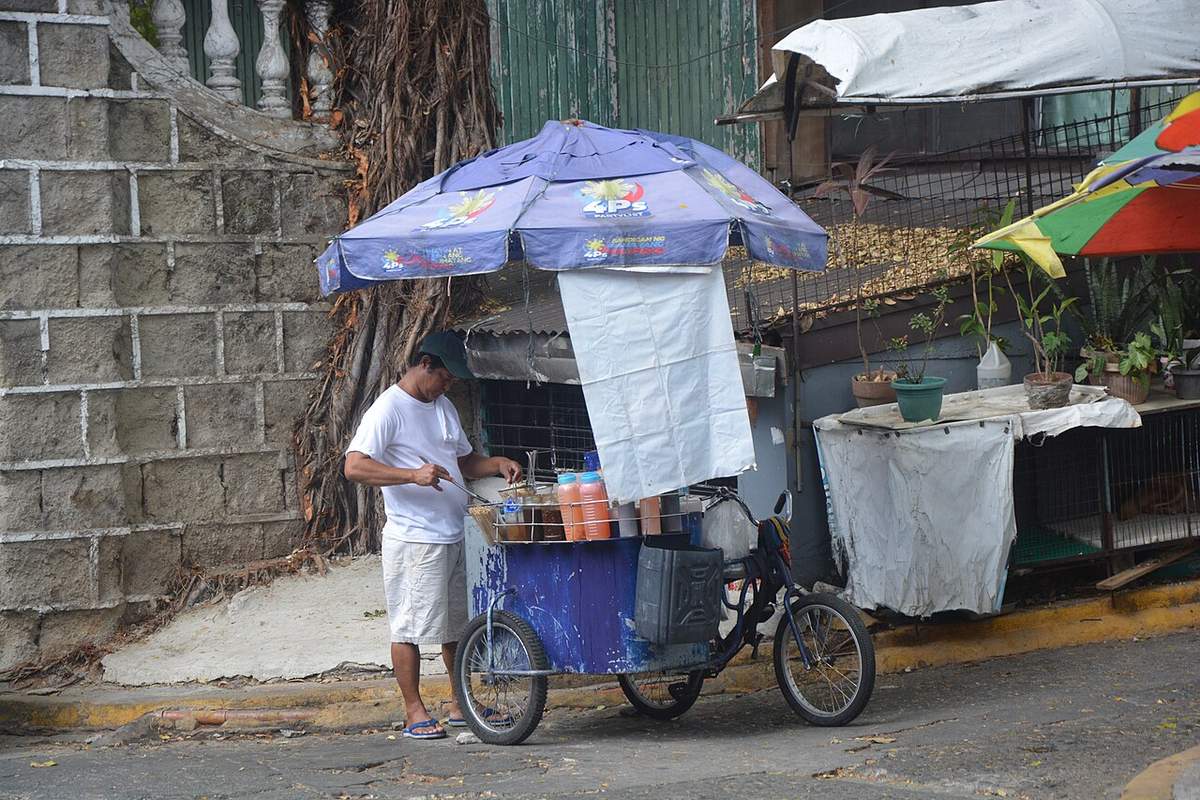
If you searched for one number, here is the honest answer first: there is no single minimum wage for the whole Philippines. The legal daily rate depends on where the work is done. A worker in Metro Manila, a farm worker in Bicol, and a shop assistant in Davao can all be minimum wage earners, yet each has a different legal daily floor.
This guide lists the current daily rates region by region, from the official wage orders published by the National Wages and Productivity Commission (NWPC). Every figure below was checked on 11 November 2026. Rates change when a new order takes effect, and some orders rise in steps, so always confirm your exact rate on the official NWPC page before you act on it.
One note: LBC Tracks is an independent guide site, not the Department of Labor and Employment (DOLE) and not the NWPC. Only the official wage order for your region can settle what must be paid.
The short answer: the rate follows your workplace
The minimum wage that applies to you is the one for the region where your workplace is, not where you live. If you live in Cavite but work in a shop in Makati, the Metro Manila rate covers your job. If you live in Manila but your workplace is in Bulacan, the Central Luzon rate is the one to check.
Your sector matters too. Most orders set one rate for non-agriculture work and a lower rate for agriculture. Some also set a lower rate for small retail and service shops, and for small manufacturing firms. That is why two people in the same city can legally have different minimum rates: the order looks at both the place and the kind of establishment.
Daily rates cover a normal day of not more than eight hours; overtime is separate. This page covers private sector workers only. Domestic workers, or kasambahays, have separate monthly wage orders, so they are not in the table below.
Metro Manila (NCR) rates in detail
Metro Manila has the highest minimum wage in the country. Under Wage Order No. NCR-28, which took effect on 26 September 2026, the daily rates are:
- Non-agriculture: ₱755 per day
- Agriculture, service and retail establishments employing 15 workers or less, and manufacturing establishments regularly employing less than 10 workers: ₱718 per day
NCR-28 added ₱60 per day to the older NCR-26 rates of ₱695 and ₱658. It covers all 16 cities of Metro Manila and the municipality of Pateros.
You may also see stories about Wage Order No. NCR-27, which promised a rise in two steps to ₱780. The NWPC page for NCR notes that NCR-27 is subject to continuing litigation in the courts. Do not use the ₱780 figure for payroll or for your own expectations. The current NCR rates are the NCR-28 rates: ₱755 and ₱718.
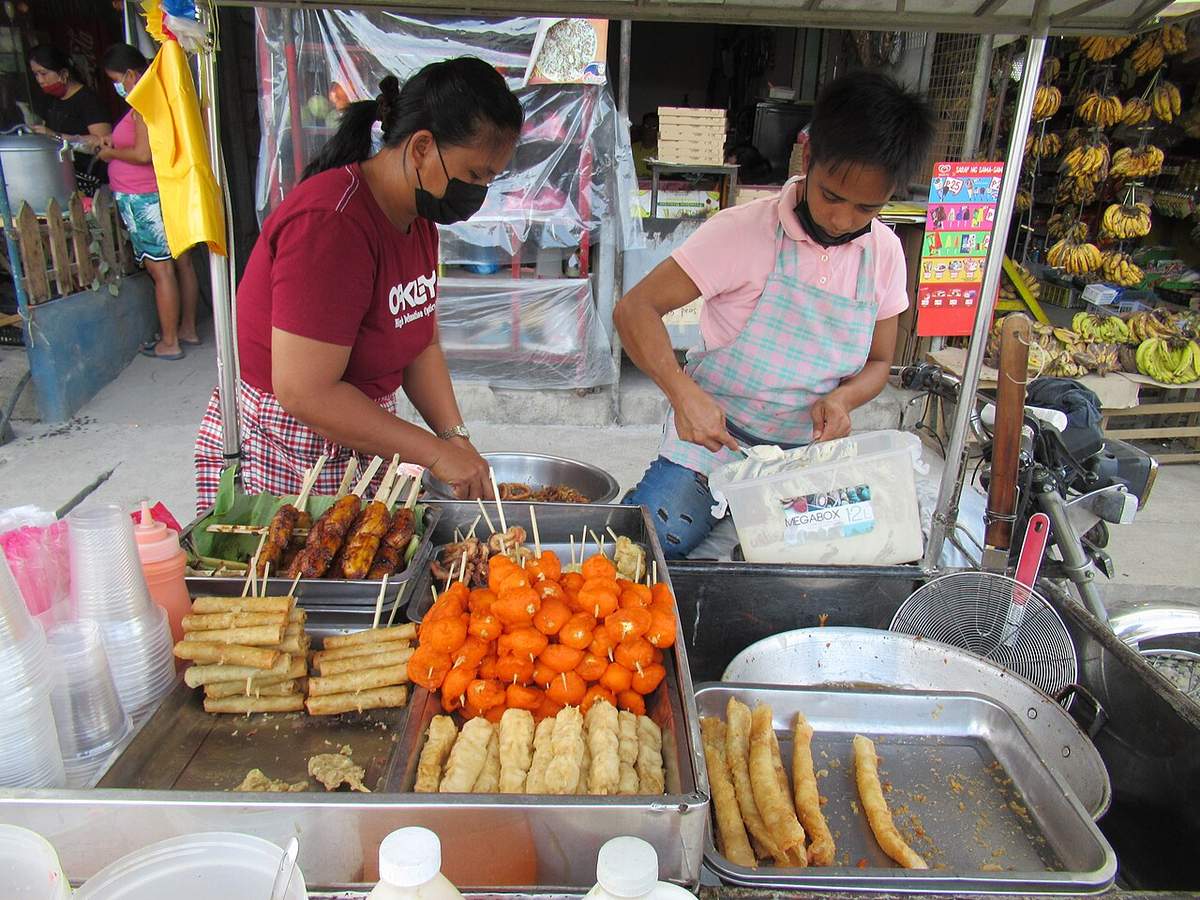
Daily minimum wage rates by region
The table gives the daily rate in force for each region, from the NWPC summary of current regional rates and its regional pages. Figures checked on 11 November 2026. Where an order pays different amounts by area, city class or shop size, the table shows the official range; your exact figure depends on your area and category in the order.
| Region | Non-agriculture (per day) | Agriculture and other categories (per day) | Wage order |
|---|---|---|---|
| NCR (Metro Manila) | ₱755 | ₱718 for agriculture, small service and retail, and small manufacturing | NCR-28, effective 26 September 2026 |
| CAR (Cordillera) | ₱505 | ₱505 | CAR-24, effective 30 December 2025 |
| Region I (Ilocos) | ₱505 with 10 or more workers; ₱480 with fewer than 10 | ₱480 | RB 1-24, effective 19 November 2025 |
| Region II (Cagayan Valley) | ₱500 | ₱500 | RTWPB 2-24, effective 5 November 2025 |
| Region III (Central Luzon) | ₱560 to ₱600 by area | ₱515 to ₱590 | RBIII-26, second step effective 16 April 2026 |
| Region IV-A (CALABARZON) | ₱550 to ₱645 by area class | ₱550 | IVA-23, effective 26 October 2026 |
| Region IV-B (MIMAROPA) | ₱455 | ₱455 | RB-MIMAROPA-13, effective 1 January 2026 |
| Region V (Bicol) | ₱455 | ₱455 | RBV-23, effective 8 April 2026 |
| Region VI (Western Visayas) | ₱550 with more than 10 workers; ₱525 with 10 or fewer | ₱520 | RBVI-29, effective 19 November 2025 |
| Region VII (Central Visayas) | ₱582 in Class A areas; ₱542 in Class B areas | Same split by area class | ROVII-27, effective 14 October 2026 |
| Region VIII (Eastern Visayas) | ₱470 | ₱440 | RB VIII-25, second step effective 1 June 2026 |
| Region IX (Zamboanga Peninsula) | ₱464 | ₱451 | RIX-24, second step effective 1 June 2026 |
| Region X (Northern Mindanao) | ₱485 to ₱500 by wage category | ₱485 to ₱500 | RX-24, second step effective 1 May 2026 |
| Region XI (Davao) | ₱540 | ₱525 | RB XI-24, second step effective 1 September 2026 |
| Region XII (SOCCSKSARGEN) | ₱460 | ₱443 | RB XII-25, effective 2 November 2025 |
| Region XIII (Caraga) | ₱475 | ₱475 | RXIII-20, second step effective 1 May 2026 |
| BARMM | ₱411 to ₱436 by area | ₱401 to ₱411 | BARMM-05, effective 6 August 2026 |
Three approved changes had not yet taken effect on the checked date, so they are not in the table. Wage Order No. VI-30 starts in Western Visayas on 20 November 2026, at ₱590, ₱565 and ₱565. Wage Order No. XII-26 starts in SOCCSKSARGEN on 22 November 2026, at ₱476 and ₱459, with a second step on 1 January 2027. Bicol and BARMM also have second steps due on 1 December 2026, taking Bicol to ₱480. If you read this after those dates, use the newer order.
Why rates differ by region
It can feel unfair that the same job pays a different legal minimum in different places. The system was built that way on purpose, for reasons the wage boards state openly.
Prices are not the same across the country. Rent, transport and food usually cost more in Metro Manila than in a smaller provincial city, so the NCR board sets a higher floor. Each board also weighs what local employers can realistically pay. A rate set too high for a region of small farms and small shops could push employers to cut jobs or close, which helps no one.
So every board balances the same things: the needs of workers and their families, the capacity of local employers to pay, and the economic condition of the region. Two boards can see the same inflation figures and still land on different amounts. Increases also arrive at different times, because each region works on the anniversary of its own last order.
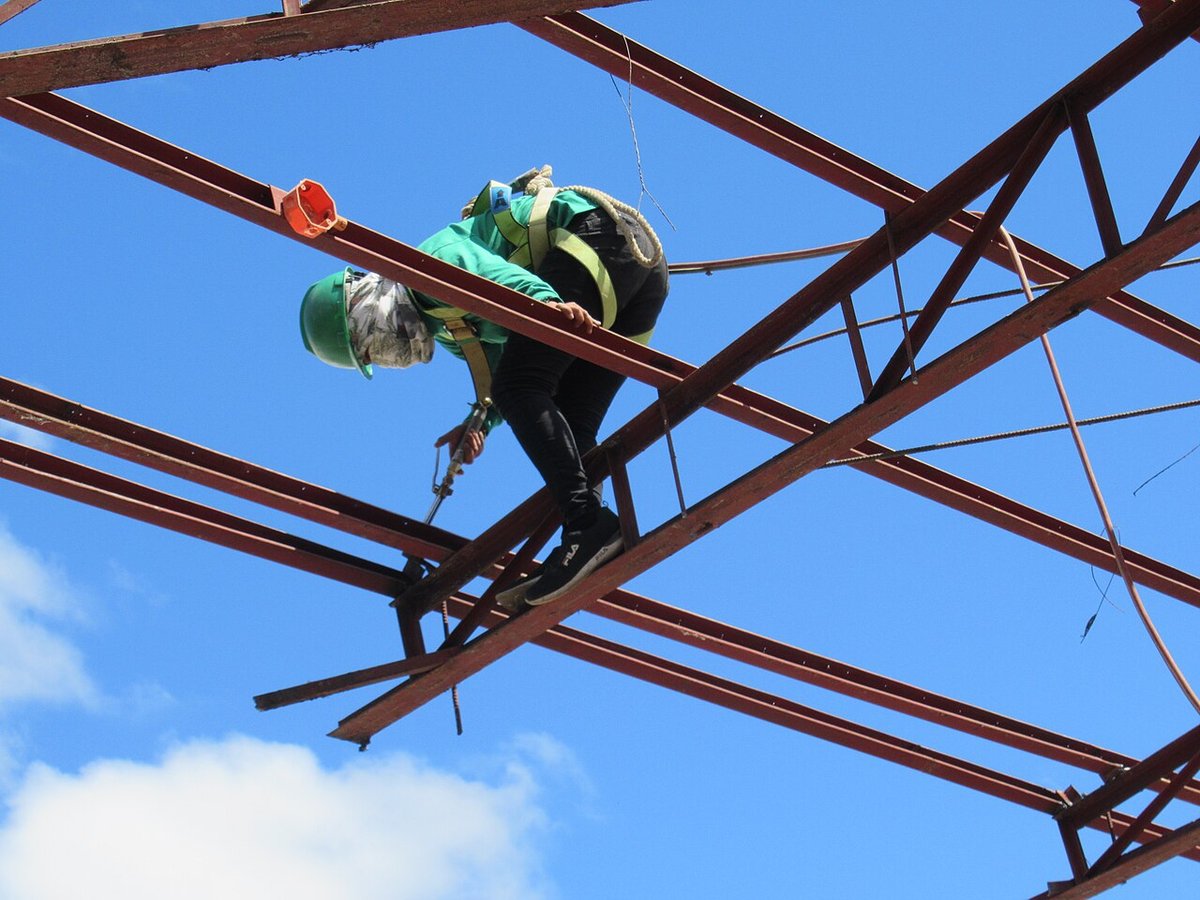
Who sets the minimum wage and how often it changes
Minimum wages are set by the Regional Tripartite Wages and Productivity Boards, one for each region. Tripartite means three sides sit at the table: government, workers and employers. The boards work under the NWPC, part of DOLE, under Republic Act No. 6727, the Wage Rationalization Act.
There is no single national rate because the law gives wage setting to these regional boards, not to one national office. The NWPC reviews and affirms their orders, and publishes the official summary this guide is based on.
Reviews follow the anniversary of each region's latest wage order. Boards begin the review within 60 days before that anniversary, hold consultations and public hearings, and may issue a new order around the anniversary. A board can also act earlier on urgent and reasonable grounds. Many recent orders pay the increase in two steps, called tranches, a few months apart, so a rate can rise mid year without a brand new order.
What this means if you employ staff or riders
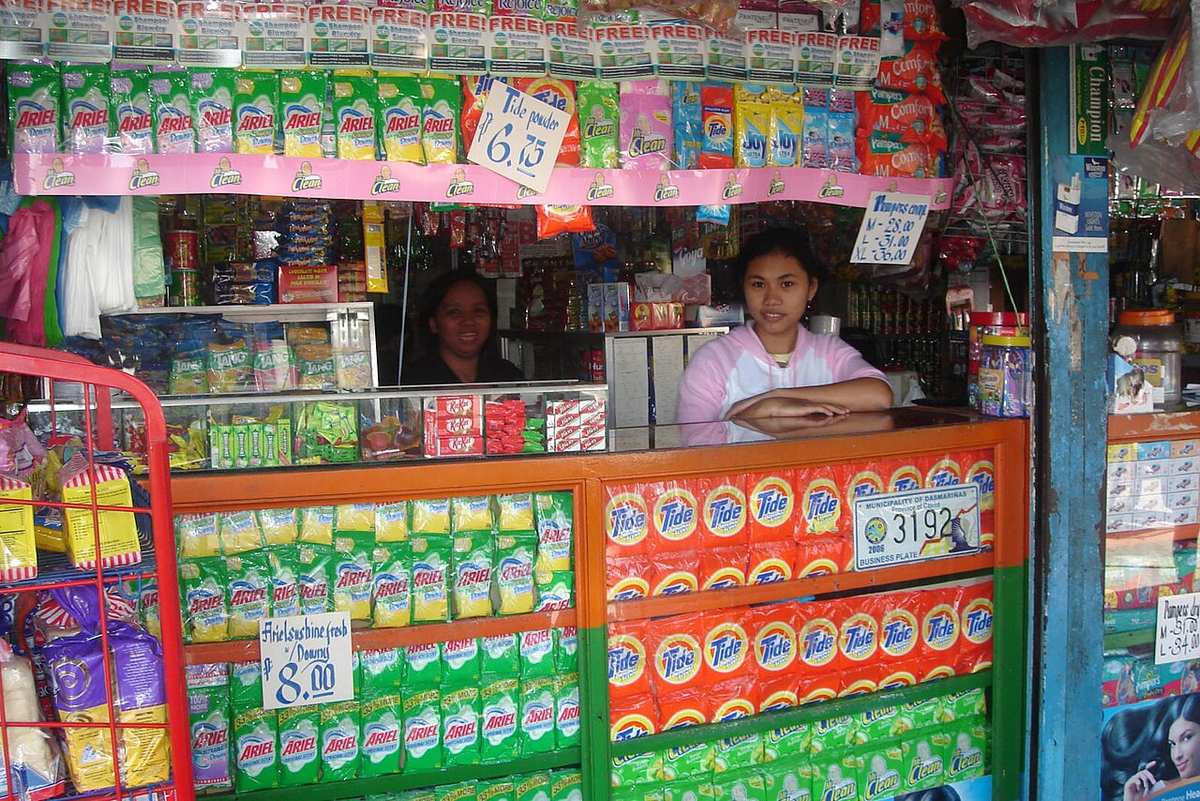
If you run a small shop, an online store or a food stall and you pay even one helper, the wage order for the place where your business operates applies to you. Check three things: your region, your sector, and your number of workers, because small retail and service establishments have a lower listed rate in some regions.
Build the correct daily rate into your costs before you set prices or promise a delivery fee. Online sellers who pay packers or riders can plan staff costs alongside shipping costs; our guide to LBC shipping for online sellers covers the shipping side of that routine.
If you are a worker and your pay looks lower than the table rate for your region and category, check your payslip and your exact category in the order first. If it still looks short, ask your employer about it, or ask your regional wage board or nearest DOLE office. Keep your payslips; they record what was paid.
Frequently asked questions
Is there one national minimum wage in the Philippines?
No. Each region has its own rate, set by its Regional Tripartite Wages and Productivity Board through a wage order. That is why the Metro Manila rate of ₱755 is much higher than most provincial rates.
What is the minimum wage in Metro Manila now?
It is ₱755 per day for non-agriculture work and ₱718 per day for agriculture, small service and retail establishments, and small manufacturing firms, under Wage Order No. NCR-28, effective 26 September 2026.
Why is there talk about a ₱780 rate for NCR?
Wage Order No. NCR-27 would have raised the NCR rate to ₱780 in its second step. The NWPC notes that NCR-27 is subject to continuing litigation, so it is not listed as current. Use the NCR-28 rates of ₱755 and ₱718.
Does the minimum wage apply to small shops and sari-sari stores?
Yes, private sector employers are covered, including small ones. Some orders list a lower rate for small retail and service establishments, based on the number of workers. Check your region's row and the notes in its wage order for the exact category.
How often does the minimum wage change?
Each region reviews its rate around the anniversary of its latest wage order, starting within 60 days before that anniversary. Some increases are paid in two steps months apart, so a rate can change more than once in a year in the same region.
Where can I check the official rate for my province?
On the NWPC website at nwpc.dole.gov.ph. It publishes a summary of current regional daily minimum wage rates and a page for each region with the full order details, including area and sector breakdowns.
Are domestic workers covered by these daily rates?
No. Domestic workers, or kasambahays, have separate wage orders that set a monthly minimum per region, published on the same NWPC regional pages.
Your next step: check your region's latest order
Find your region in the table, note the wage order number, then open the official NWPC page for your region and confirm the exact figure for your area and sector. Orders change and new steps fall due, so the official page is always the final word. If the rate you are paid, or the rate you pay, does not match the order, that check gives you the correct number to talk about, with the document in hand.