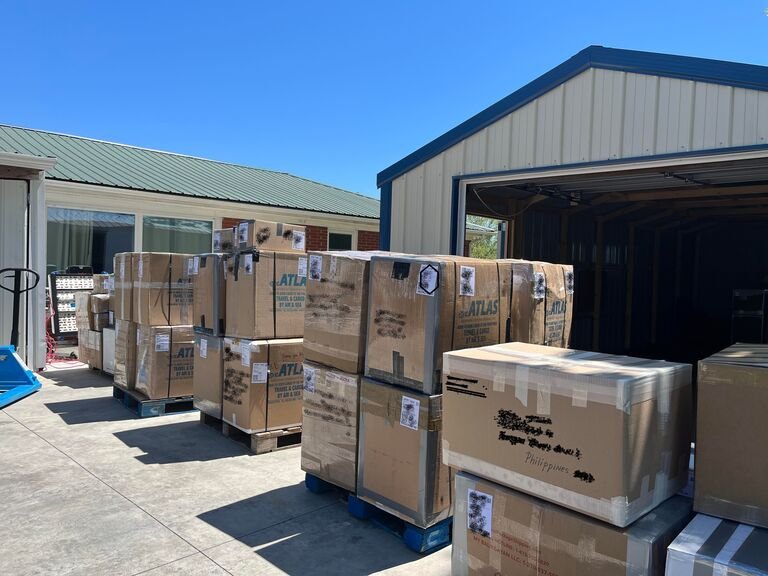
A balikbayan box is the big cardboard box overseas Filipinos fill with gifts, clothes, food and household goods for family back home. If you are sending one for the first time, the first question is usually simple: what sizes do they come in, and how much will it cost?
Here is the honest answer most guides skip. LBC, the best known balikbayan shipper, does not publish a balikbayan box size chart on its official website. There is no official table of dimensions to copy, and any site that shows you one is showing you an agent's list or a guess, not an LBC publication. This guide explains what LBC does publish, what your box and shipping will actually depend on, and how to choose a box with confidence anyway.
One note before we start: LBC Tracks is an independent guide site, not part of LBC Express. Everything below that is stated as an LBC fact comes from LBC's official pages.
What LBC actually publishes about balikbayan box sizes
On its official sea freight pages, LBC explains how to get a box and how the service works, but it does not list box dimensions. What the official FAQ does say is this:
- Empty boxes may be purchased at the nearest LBC branch or from authorized box agents, or you can call the LBC hotline to schedule a box delivery.
- LBC also accepts balikbayan boxes from other cargo companies, at special rates. Its words: "Yes! At LBC, we accept other cargo balikbayan boxes at special rates. Contact our hotline to get the best deals for your balikbayan box."
Those two facts explain why no single size chart exists. Boxes reach LBC from many agents in many countries, and LBC accepts boxes it did not sell. Different agents stock different boxes, so the names and dimensions on sale in Dubai are not always the same as the ones on sale in Toronto or Sydney.
The practical lesson: do not shop by size name alone. A "large" from one agent can be a different box from a "large" somewhere else. Measure the actual box you are buying, in centimeters or inches, length by width by height, and keep those numbers with your shipping papers.
How to measure a box, and why the numbers matter
Measuring takes one minute. Measure the outside of the empty box: the longest side is the length, the next side is the width, and the standing side is the height. Write all three numbers down before you pack, because once the box is sealed and bulging, its true size is harder to state.
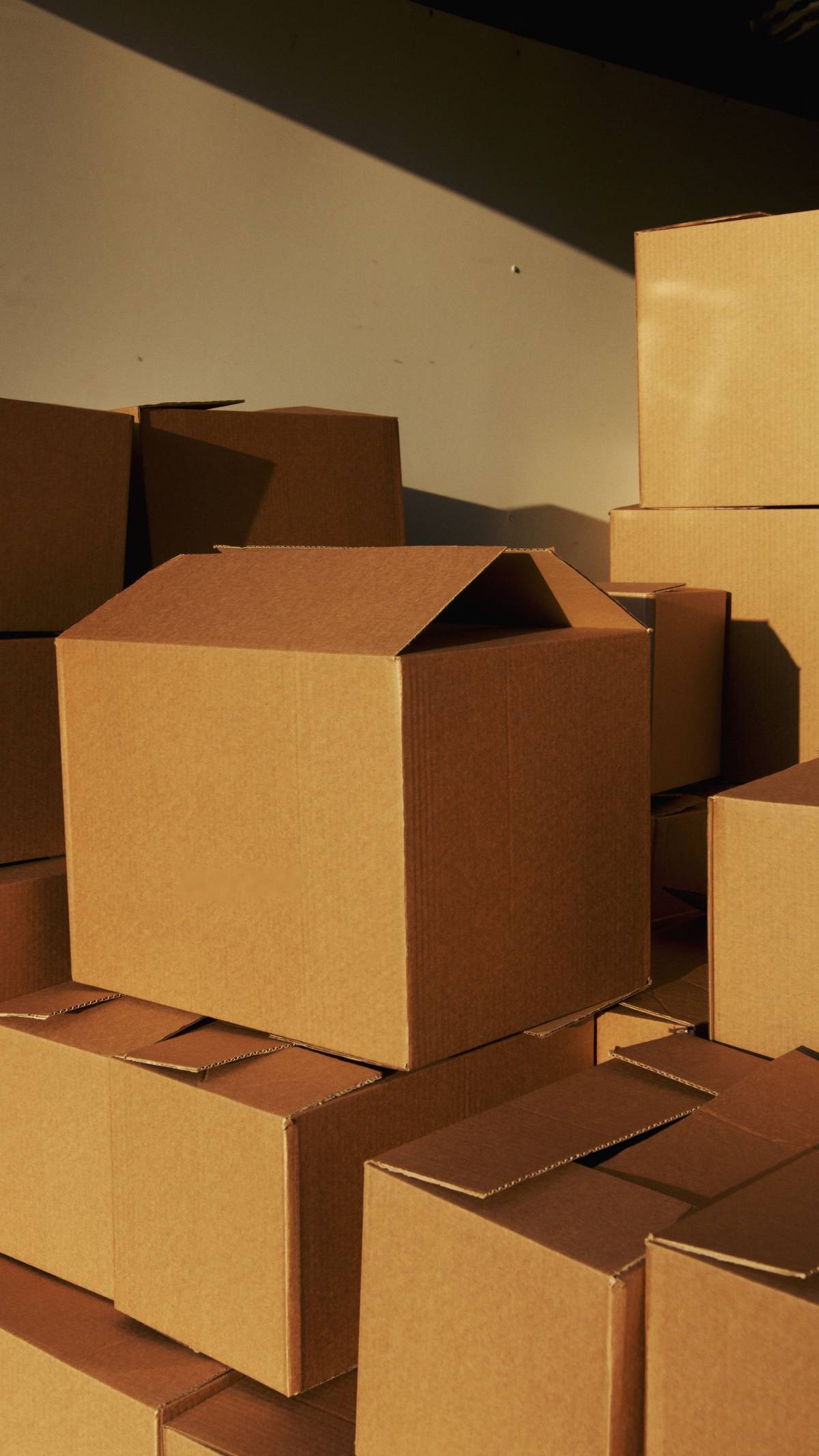
Size matters for two reasons. First, fit: the box has to hold everything you plan to send without bursting at the seams. A box packed past its shape travels badly and can be refused or repacked. Second, price: for sea cargo, agents commonly price by the box or by its volume, while air cargo leans on weight. LBC's own website answers price questions with a rate calculator and its hotline rather than a printed chart, which tells you the figure is worked out per shipment, not read off a poster.
A quick sizing method that works: lay out everything you want to send, stack it the way it will sit in the box, and measure the stack. Then buy the box one step up from the stack's size, so you have room for padding at the walls.
Balikbayan box price: what the total cost depends on
Searchers ask for a balikbayan box price as if there were one number. There are really two separate costs, and neither is fixed by a single official price list.
The first cost is the empty box itself. Because boxes are sold by LBC branches and by independent authorized agents around the world, the price of the same looking box changes with the country and the seller. The second, bigger cost is the shipping. That depends on:
- Where you are sending from. A box from the Middle East, the United States and Australia travels different routes at different rates.
- The box size. Bigger boxes cost more to move, by sea or by air.
- Sea or air. Sea freight is the budget route for heavy boxes. Air is priced for speed and suits small, urgent loads.
- The destination in the Philippines. After a sea box arrives, LBC forwards it onward, and its published lead times run 3 to 5 business days for Manila, 5 to 7 for Luzon, and 10 to 15 for Visayas and Mindanao. Remote destinations cost the system more time, and some agents price that in.
So how do you get a real figure? Use the rate calculator on the official LBC site for your country, or call the LBC hotline in that country and describe your box: where it is, how big it is, and where it is going. That quote, given for your actual box, is the only price worth planning around. If you are comparing agents, get the same details quoted by each, including whether pickup is included.
Sea or air: the time side of the size decision
Size and speed are linked. Sea cargo is built for the classic big balikbayan box: LBC's official estimate is a lead time of 45 to 90 days from the date of sailing, depending on the destination. Air cargo and courier are much faster, as fast as 7 to 15 days from the date of uplift, but air pricing punishes big, heavy boxes, which is why air shipments are usually documents and small parcels rather than full balikbayan boxes.
If your family needs the contents by a fixed date, a birthday, a school opening, Christmas, work backwards from these ranges and hand the box over early. Sea boxes also wait for a sailing, so the day you drop the box is not day one of the 45 to 90 days. Our guide to LBC international tracking explains how to follow the box once it is moving.
Do not confuse balikbayan boxes with LBC Kiloboxes
One mix up causes real confusion. Inside the Philippines, LBC sells a domestic product line called Kilobox, and for those boxes LBC does publish inch sizes: Mini 9 x 5 x 3, Slim 16 x 10 x 3, Small 12 x 10 x 5, and Medium 10.5 x 14 x 7 inches, with Large and XL offered by name. Those are small domestic shipping boxes for sending within the Philippines. They are not balikbayan boxes, and their sizes tell you nothing about the big overseas boxes. If a page shows you neat inch dimensions and calls them balikbayan box sizes, it is almost certainly showing you the wrong product line.
Packing tips, so the size you buy is the size that arrives
A box only keeps its size if it keeps its shape. A few habits protect both:
- Put heavy items at the bottom and lighter, crushable things on top.
- Fill every gap with clothes or padding. Empty corners collapse in a stack, and collapsed corners change the box's shape.
- Tape every seam, then tape around the box both ways, so the bottom cannot open under weight.
- Write the receiver's full name, address and mobile number clearly on the box, and put the same details on a sheet inside.
- Pack nothing from the prohibited list. LBC publishes the full list of items it will not carry on its official website, and it is worth a read before you seal the box.
When LBC collects or receives your box, it issues a receipt it calls the Packing List. Your tracking number is the 10 to 16 digit number under the barcode on the upper left of that document. Keep it safe: it is what you type to follow the box, as our balikbayan box tracking guide explains step by step. While the box is on the water, its status will sit at in transit for long stretches, which is normal at sea; our explainer on what in transit means shows how to read it.
Frequently asked questions
What sizes do balikbayan boxes come in?
There is no single official list. LBC does not publish balikbayan box dimensions on its website, and boxes are sold by branches and independent agents in many countries, so sizes and size names vary by seller. Measure the actual box you buy, length by width by height, instead of trusting a size name.
How much is an empty balikbayan box?
The price is set where you buy it, by the branch or agent, and it differs by country. LBC's official advice is simple: buy at the nearest LBC branch or an authorized box agent, or call the hotline to schedule a box delivery, and ask the price there.
How much does it cost to ship a balikbayan box to the Philippines?
There is no single published price. The shipping cost depends on your origin country, the box size, sea or air, and the destination in the Philippines. Use the rate calculator on the official LBC site or call the hotline with your box details for a quote on your actual shipment.
Can I use a box from another cargo company with LBC?
Yes. LBC's official FAQ says it accepts other cargo balikbayan boxes at special rates, and tells senders to contact the hotline for the best deal. Ask about the rate before you hand the box over.
How long does a balikbayan box take to arrive?
By sea, LBC's official estimate is 45 to 90 days from the date of sailing, depending on the destination. Once the box reaches the main warehouse in the Philippines, forwarding takes about 3 to 5 business days for Manila, 5 to 7 for Luzon, and 10 to 15 for Visayas and Mindanao. Air cargo is faster, as fast as 7 to 15 days from uplift.
Is a bigger box always better value?
Not always. A bigger box only helps if you fill it well. A half empty big box wastes space, risks collapsed sides, and can cost more than a smaller box packed fully. Match the box to the load you actually have.
The short version
Balikbayan box sizes have no official chart, because LBC sells boxes through branches and agents worldwide and accepts other companies' boxes too. So measure the real box, expect the empty box price to be set by the seller, and expect the shipping price to depend on your country, the box size, sea or air, and the Philippine destination. Get your quote from LBC's rate calculator or hotline for your exact box, pack it so it keeps its shape, and keep the Packing List safe. That piece of paper carries the number that follows your box all the way home.