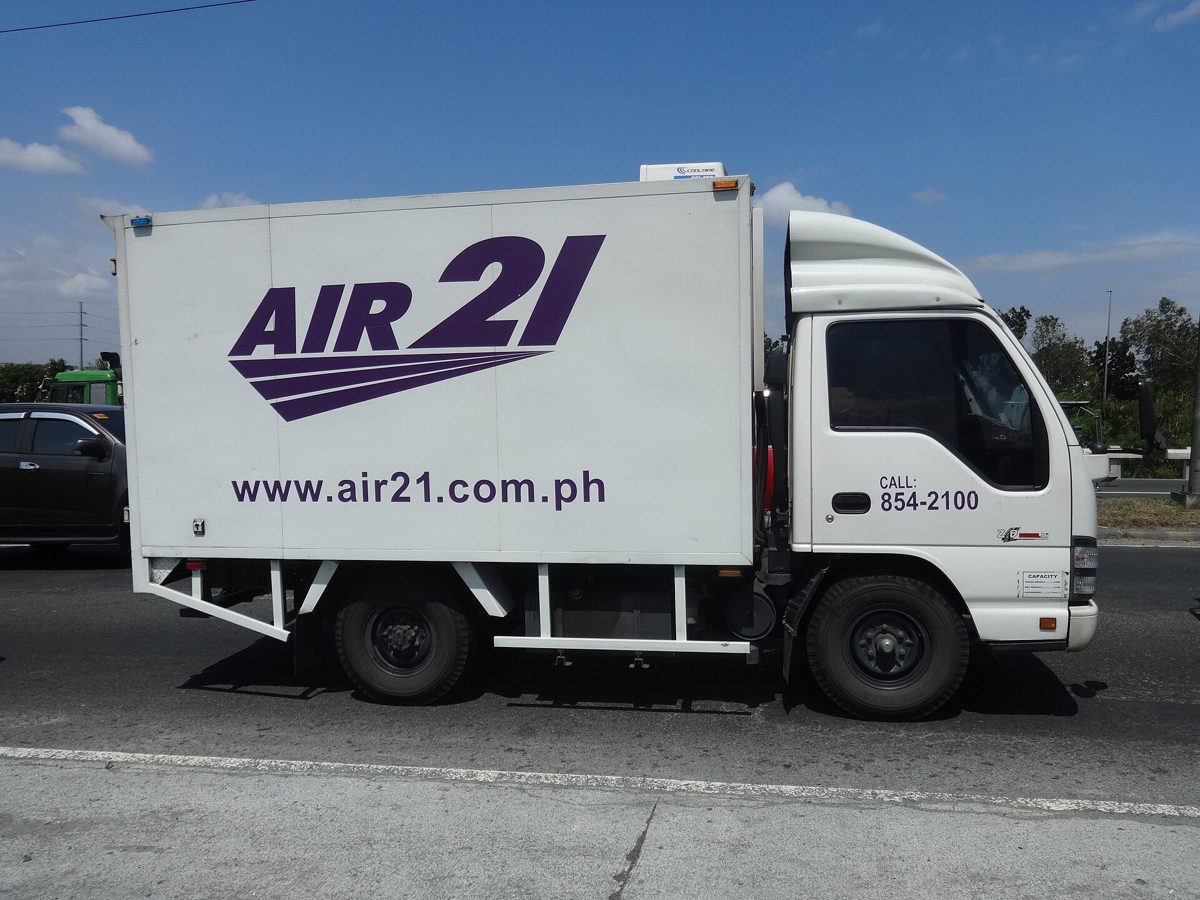
You checked your parcel, and the tracker says one short line: in transit. It does not say where the parcel is, and it gives no date. That is why this status worries people, even though it is one of the most normal lines in the timeline.
Here is the short answer. In transit means your parcel has left the sender or the first facility, and is moving through the courier network toward your area. It has not reached the delivery station yet, and it is not with the rider yet. It is a movement stage, not a problem stage.
This guide explains what happened before this status, what comes after it, how long it lasts, and when a quiet tracker deserves a follow up. One note: LBC Tracks is an independent guide site, not LBC Express. We explain statuses, but we cannot move, hold or release any parcel.
What "in transit" means in plain words
Think of a parcel trip as a chain of places. The sender hands the parcel in at a branch, or a rider picks it up. From there it goes to a sorting hub, then travels, sometimes through a second hub, to the station for your town or city, and only then out with a rider to your address.
In transit covers the travelling part of that chain. Your parcel is between points: on a truck between two cities, waiting to be loaded for the next leg, on a flight or ship between islands, or moving from a central hub to a regional one.
This status does not tell you two things. It gives no exact place, since a parcel can show the same line while it crosses one province or three. And it promises no number of days left: the same words cover a short overnight hop inside Metro Manila and a long sea leg to an island province. The route decides the length, not the words. That is why the status can stay unchanged for days without anything being wrong. The tracker only changes at the next scan, and between scans there is nothing new to show.
What has already happened before this status
By the time you see in transit, several steps are already done:
- The sender booked the shipment and received a tracking number. If you are still looking for yours, our guide to the LBC tracking number shows where it sits on each document.
- The courier accepted the parcel and scanned it in. That first scan brings the shipment to life in the system.
- The parcel reached a sorting facility, where it was grouped with parcels going the same way.
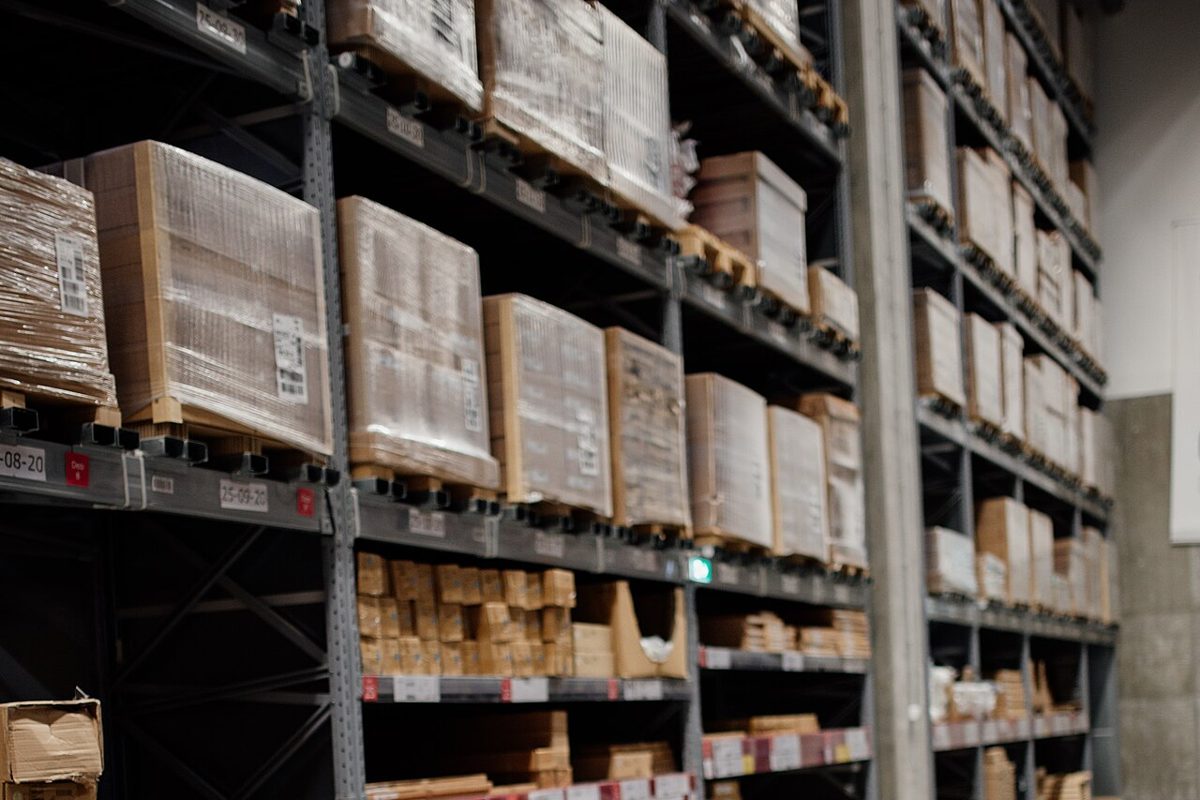
A parcel between two provinces often passes through a bigger hub first, even when that looks like a detour. That is the normal route, not a mistake, so a timeline of acceptance, then in transit, is in the right order.
What happens after "in transit"
The stages after in transit are the ones receivers really wait for:
- Arrived at the delivery station. The parcel was scanned in at the facility for your area. It is close, but not yet on a vehicle to your address.
- Out for delivery. The parcel is with the rider for that day. Keep your phone reachable, because riders often call or text when they are near.
- Delivered. The parcel was handed over at the address, or received by someone there for you.

Seeing in transit more than once is normal: each new line is a new leg of the same trip, not the parcel going backwards. If a parcel instead waits at a branch for pick up, the wording changes, as our guide to what held at branch means explains.
How long "in transit" normally lasts, and why it varies
There is no single honest number for this, and any page that gives one exact day count for every route is guessing. In transit lasts as long as your route's travelling part takes, and that changes with:
- Distance. A parcel inside one city may be in transit for hours. One crossing the country can stay in transit for several days.
- Island routes. Parcels to the Visayas, Mindanao and smaller islands depend on flights and sea links. Between ports there is no place to scan a parcel, so the status sits still until it lands.
- Sundays and holidays. For LBC, delivery runs Monday to Saturday, so a Sunday inside your window adds a calendar day without adding a delivery day. Holidays do the same.
- Weather and transport disruption. When flights or sea trips are cancelled, parcels wait at the last scanned point, and the status does not change while they wait.
- Peak season. Around Christmas, New Year, Holy Week and big online sale dates, hubs handle far more parcels than usual, and every stage slows a little.
Judge your parcel against the full window for its route, not the in transit line alone. A parcel on day two of a five day route is moving fine, even if the words have not changed since yesterday.
What "in transit" means for an LBC parcel
For an LBC shipment, the same meaning applies: the parcel has left the origin, is moving through the LBC network, and has not reached the delivery station for your area. These verified LBC facts help you read the timing:
- LBC delivers Monday to Saturday, from 8:00 AM to 7:00 PM. Sunday is not a delivery day.
- Shipments handed in after the 3:00 PM cut off are processed on the next business day, so a late drop off can look a day slow on the tracker.
- LBC publishes wide official domestic delivery ranges: NCR 1 to 11 days, Luzon 1 to 12 days, Visayas 3 to 12 days, Mindanao 4 to 12 days, and island destinations 3 to 20 days. These cover remote towns and disrupted weeks, so the top end is the hard case, not the usual case.
- As a planning guide only, and not as an LBC promise, this site uses these usual windows for parcels sent from Metro Manila: about 1 day inside Metro Manila, 1 to 2 days to Luzon, 3 to 5 days to the Visayas, and 4 to 6 days to Mindanao.
Our guide to LBC delivery time shows how to count those days, skipping Sundays and holidays.
For parcels from abroad, this stage can be much longer. LBC estimates 7 to 10 days for international air freight and 40 to 60 days for sea freight. Its sea cargo figures are 45 to 90 days from the date of sailing, and air cargo is 7 to 15 days from the date of uplift. A box at sea gets no new scan until the next point, so the same status can sit on screen for weeks and still be normal.
How "in transit" differs from similar statuses
These statuses look alike, but each places your parcel at a different point:
- In transit: the parcel is travelling between facilities, and has not reached your local station yet.
- Arrived at delivery station: the travelling is done. The parcel is at the station for your area, waiting for a delivery run.
- Out for delivery: the parcel is on the rider's vehicle for today, so stay reachable by phone.
- Held at branch: the parcel is waiting at a branch, usually for pick up. A waiting status, not a travelling one.
- Delivered: the trip is complete and the parcel has been handed over.
If you remember only one line, make it this one: in transit means moving, not missing.
When a stuck "in transit" status deserves a follow up
Most in transit parcels need only patience. A follow up is fair when:
- The status has passed the wide official range for your route, not just the planning window.
- There has been no new scan for many days on a short domestic route, where scans normally come often.
- The sender confirms a drop off long ago, yet the timeline still shows only the first scan.
- The parcel is time sensitive, for example documents with a deadline, and the window is gone.
Then do these steps in order:
- Check the tracking number again, digit by digit. One wrong digit can show the wrong timeline, or none.
- If you are the receiver, ask the sender for the drop off date, branch, and a photo of the receipt.
- Contact the courier with the tracking number ready, and note the date of your last scan. Only the courier can look inside its own network.
Do not pay anyone who contacts you by text or social media offering to release or speed up your parcel for a fee. That is a common scam, and a real courier does not collect release fees through a stranger's link.
Frequently asked questions
Does "in transit" mean my parcel is lost?
No. It is a normal travelling stage: the parcel has left the origin and is moving through the network. Worry is only fair when the status stays unchanged well past the full window for your route.
How many days will my parcel stay in transit?
It depends on the route, not the status words. A city route can take hours, a cross country route several days, and a sea route far longer. Use the window for your route as your guide, and remember Sundays do not count as delivery days for LBC.
Why has my "in transit" status not changed for days?
Because the tracker only updates at the next scan. On island and sea routes, and in bad weather, there may be no scanning point for days. No new line usually means no new scan, not no movement.
Is "in transit" the same as "out for delivery"?
No. In transit means the parcel is still travelling between facilities. Out for delivery means it has reached your local station, been loaded for the day, and is with the rider.
Can I pick up my parcel while it is in transit?
Not while it is travelling, because there is no public counter where it is sitting. Pick up only becomes an option when a status shows the parcel at a branch or station.
Should I contact the courier if my parcel says in transit?
Only if it has passed the full window for your route, or shown no new scan for many days on a short route. Before that, the courier can only tell you what the tracker already shows.
Your next step

Do one simple thing now. Open your tracker, note the date of your last scan, and compare it with the window for your route. Inside the window, your parcel is most likely moving normally, so check again tomorrow. Past the window, follow the steps above and contact the courier with your tracking number ready.