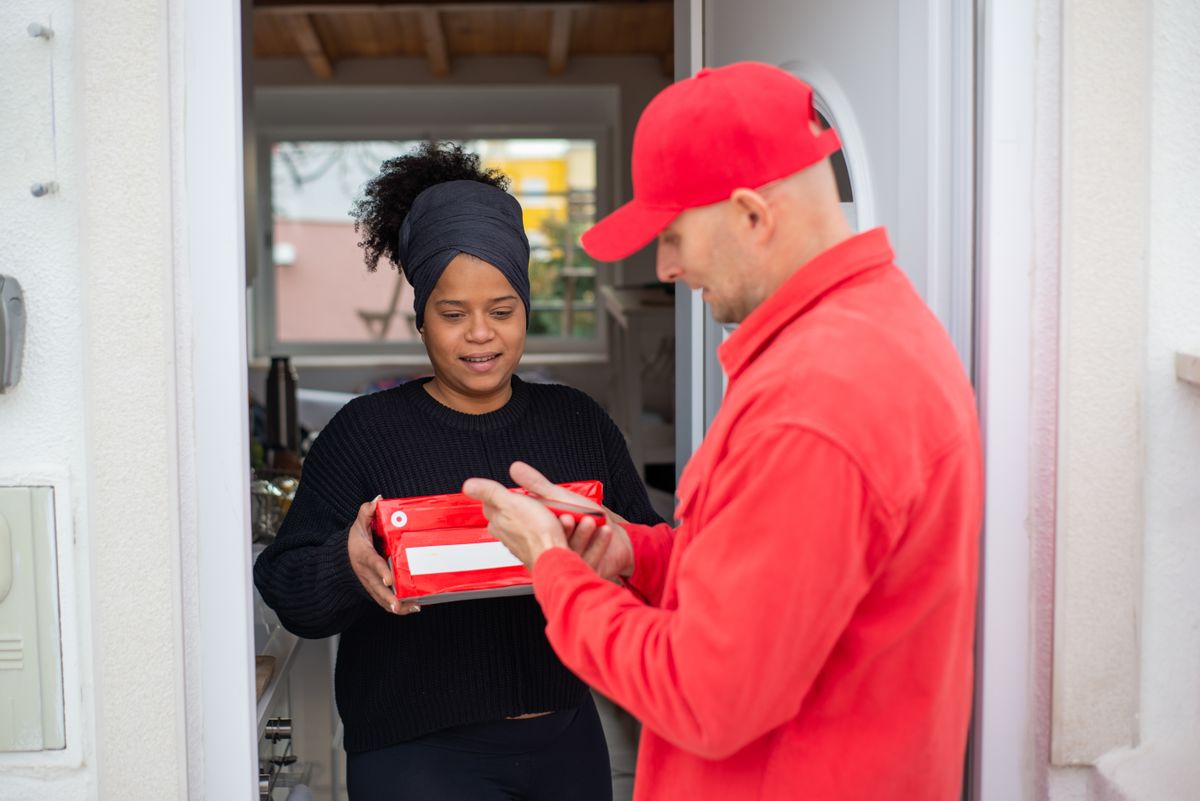
Cash on Delivery, shortened to COD, means you pay for an order when the parcel is handed to you, not when you place the order. The item travels to your address first, and only when the courier is at your door with it do you hand over the money.
In short, the goods move first and the payment moves last. That is why COD is popular with first time online buyers in the Philippines: you never send money to a seller you have not met and then hope the parcel comes.
Quick note: LBC Tracks is an independent guide site, not part of LBC Express, Shopee, or any courier or marketplace. We explain these services using what the companies themselves publish.
What cash on delivery means, in plain words
Think of COD as buying at a store counter, except the counter comes to your house. In a prepaid order, you pay online first and wait.
Three people have a part: the seller ships the item without having your payment yet; the courier carries the parcel, collects the money at your door, and passes it on to the seller; and you pay at the moment you receive.
The word "cash" is in the name because payment at the door is traditionally physical money, so plan to have cash ready. COD is a payment method, not a shipping service: the parcel travels like any other parcel, and only the timing of the payment changes.
How COD works for the buyer, step by step

Step 1: Choose COD at checkout. On Shopee, you pick it on the checkout page: Payment Methods, then Cash on Delivery, then Place Order. COD only appears when the seller has enabled it and the order goes through the marketplace's logistics partners. Shopee also says the payment method can no longer be changed after you place a COD order. With a direct seller on Facebook or Messenger, the same idea applies in chat: agree the total, and agree to pay on delivery.
Step 2: Wait, and track the parcel. The seller packs and ships, and you pay nothing yet. Your money stays in your pocket while the parcel moves.
Step 3: Prepare the exact amount. Count out the total you agreed: the item price plus any delivery charge the seller passed on to you. Money close to exact helps, because riders follow a route and may not carry much change. If someone else might receive it, leave the amount written down with them.
Step 4: Check the parcel, then pay. Look at the outside first: your name, your address, and a seal that looks untouched. Then hand over the cash and take the parcel.
Step 5: Open it right away. Your agreement about the item is with the seller or the marketplace, not the rider, who never opened the box. If something is wrong inside, your chat thread or app order page is your record.
And one rule surprises many buyers: Shopee's help pages state plainly that shipped orders can no longer be canceled, so check the item, size, and total before you confirm.
How COD works for the seller, step by step: the LBC way
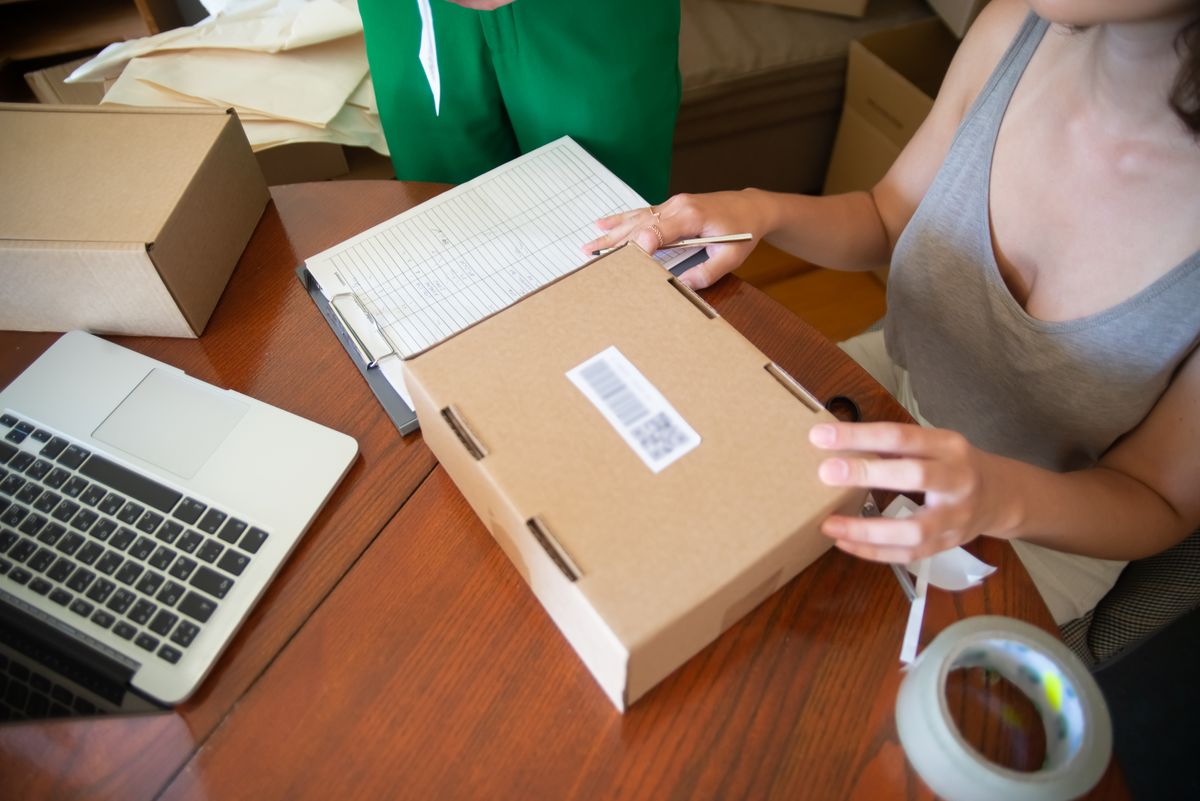
For sellers, COD means shipping first and getting paid after the buyer pays at the door. LBC Express publishes its seller steps:
Step 1: Bring the package to an LBC branch. The seller visits any LBC Express branch with the package and completes the transaction form, giving the sender's and recipient's complete names, the recipient's address, and contact details. Here the seller also chooses how to receive the buyer's payment later. With Bank Deposit, the seller provides the bank name, account name, and account number where the payment will be credited. Without a bank account, the seller can choose Branch Collect instead. The shipping fee is paid at the time of the transaction; the charge varies with the package size, destination, and service selected.
Step 2: Wait for delivery and the SMS. Once the shipment has been delivered and the payment has been collected from the buyer, LBC sends an SMS to the seller's registered mobile number.
Step 3: Claim the payment. Payments are typically processed within 2 to 3 working days, depending on the payment option selected. If the seller chose Branch Collect, the SMS carries a remittance reference number and the amount collected, and the seller presents it together with one valid government issued ID at the nominated branch to claim the money. LBC also lists Instant Peso Padala as a remittance option the seller may choose, where available.
Notice the gap: the seller pays the shipping fee up front and receives the buyer's money days after delivery. COD brings more buyers, but not instant payment.
Cash on Delivery vs Cash on Pick-Up
COD's closest cousin is Cash on Pick-Up, or COP. LBC explains both on its domestic shipping page: with COD, the receiver pays when the parcel arrives at the door; with COP, the receiver pays when claiming the parcel at the chosen LBC branch.
COD needs you home, with the cash, when the rider's route reaches you. COP parks the parcel at a branch you picked: you go there within branch hours, pay at the counter, and claim it. Eligible COP transactions can also be managed and monitored through LBC Online, LBC adds.
COP suits people who are out all day or prefer to pay at a counter. Our guide to LBC Cash on Pick-Up walks through claiming, step by step.
COD vs prepaid: which one fits you?
A prepaid order reverses the events: you pay online first, by card, e-wallet, or bank transfer, and the parcel follows.
| Question | Cash on Delivery | Prepaid |
|---|---|---|
| When do you pay? | At your door, when the parcel arrives | Online, when you place the order |
| What do you need? | No card or e-wallet needed | A card, e-wallet, or bank account |
| If the parcel never comes | You paid nothing | You ask for a refund |
| If you are not home | The delivery attempt can fail | Someone else can often receive it |
| For the seller | Paid days after delivery | Paid before shipping |
COD fits buyers without online payment, and anyone ordering from a new seller. Prepaid fits buyers who are rarely home or already trust the seller.
The honest risks, for buyers and for sellers
COD removes one risk and creates others:
For buyers, the risk moves to the doorstep. You pay before you can open the parcel, so a wrong or damaged item becomes a conversation with the seller or the marketplace after you have already paid. Scam parcels are a real pattern too: one arrives at a house where nobody ordered anything, counting on someone paying without asking. And careless COD ordering has a cost: Shopee says COD may be suspended for 90 days if you rejected COD orders or failed to receive packages after two delivery attempts in the past 90 days, and repeated failures may lead to permanent suspension.
For sellers, the risk is the refused parcel. A buyer can change their mind, be away, or simply refuse at the door. Some orders are fake or prank orders placed with no intention to pay. When that happens, a refused parcel travels back, and the sale is lost. The seller has paid the shipping fee up front, and gets the item back instead of the money. Even when all goes well, the payment reaches the seller days after delivery, not at the moment of sale.
Tips to use COD safely
If you are buying:
- Order only what you intend to receive, and double check the total before confirming, because shipped orders cannot simply be canceled.
- Keep the cash ready, close to the exact amount, once tracking shows the parcel moving.
- Check the name, address, and seal before you pay, and never pay for a parcel nobody in the house ordered.
- Never send money in advance through a link or personal account: once someone asks for advance payment, it is no longer COD.
If you are selling:
- Confirm the order, address, and mobile number before you ship; a short confirmation filters out most prank orders.
- Choose your payout at booking: Bank Deposit to your account, or Branch Collect without a bank account.
- Pack as if the parcel might travel back to you, because sometimes it does.
Our buyer guide to LBC COD delivery goes deeper on the doorstep side.
Frequently asked questions
Does COD mean I pay the rider or the seller?
You pay the rider, in cash, at your door, and the courier company passes the money to the seller. With LBC, the seller gets an SMS after delivery and collection, and the money is typically processed within 2 to 3 working days.
Is Cash on Delivery free?
COD is a payment choice, not a free shipping promise. The seller may pass the delivery charge on to you or cover it, as part of the total you agree before ordering.
Can I open the parcel before I pay?
Do not count on it: the normal exchange is payment first, then the parcel is yours to open. Before paying, check the outside: name and address, the amount, and an untouched seal.
Can I cancel a COD order after it has shipped?
On Shopee, no: its help pages say shipped orders can no longer be canceled. With a direct seller, message them early, but once the parcel is moving your choices are to receive it or refuse it at the door, and refusing can affect your COD access on marketplaces.
What happens if I am not home when the COD parcel arrives?
Nobody can pay or receive, so the delivery attempt fails. On Shopee, failing to receive after two delivery attempts counts against you, and repeated failures can suspend COD access for 90 days or longer. If you are often out, COP may fit better.
How is COD different from COP in one line?
COD: the parcel comes to you and you pay at your door. COP: you go to the parcel and you pay at the branch counter when you claim it.
What to do next
You now know the meaning, the steps on both sides, and the risks. On your next order, decide early: a new seller points to COD; being rarely home points to prepaid or COP. Either way, agree the exact total first and have the cash ready.