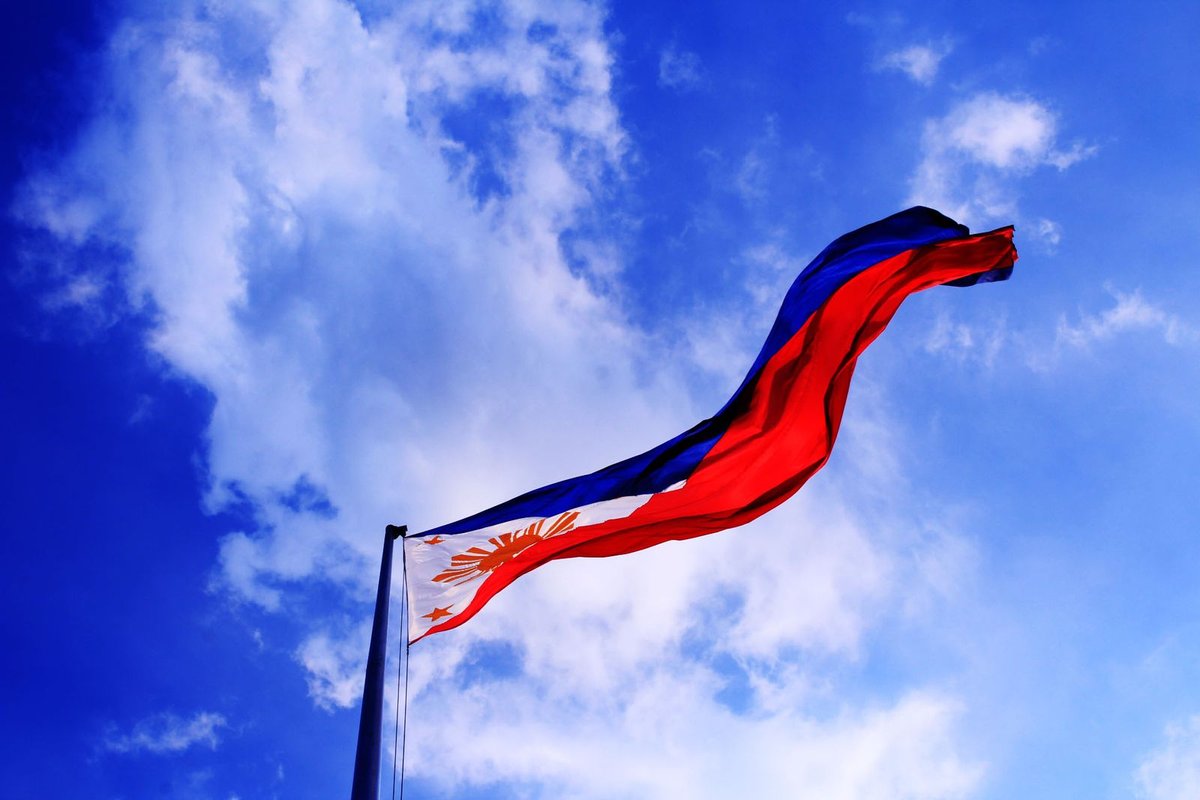
Planning leave, travel, or a shipment around the holidays starts with the official list. For 2026, that list is Proclamation No. 1006, series of 2025, signed by President Ferdinand R. Marcos Jr. on 3 September 2025 and published in the Official Gazette. This guide copies that list exactly, in date order, so you can plan your year from the same page the government uses.
The shape of the year: 12 regular holidays, of which 10 have fixed dates in the proclamation and 2, Eidul Fitr and Eidul Adha, get their dates in separate proclamations later. Then there are 8 special non-working days and 1 special working day. LBC Tracks is an independent guide site; the list below is the proclamation's own, checked line by line.
Regular holidays in 2026
Regular holidays are the strongest kind: most workers are paid for the day even if they do not work, under the pay rules explained further down.
| Date | Day | Holiday |
|---|---|---|
| 1 January | Thursday | New Year's Day |
| 2 April | Thursday | Maundy Thursday |
| 3 April | Friday | Good Friday |
| 9 April | Thursday | Araw ng Kagitingan |
| 1 May | Friday | Labor Day |
| 12 June | Friday | Independence Day |
| 31 August | Monday | National Heroes Day |
| 30 November | Monday | Bonifacio Day |
| 25 December | Friday | Christmas Day |
| 30 December | Wednesday | Rizal Day |
Two more regular holidays belong on this list but carry no date yet: Eidul Fitr and Eidul Adha. A section below explains why, in the proclamation's own terms.
Special non-working days in 2026
Special non-working days are days off for most people, but the pay rule is different: the default is no work, no pay, unless your employer's policy or practice grants pay anyway. The proclamation lists four of them, plus four more it calls additional special non-working days. Together, in date order:
| Date | Day | Holiday |
|---|---|---|
| 17 February | Tuesday | Chinese New Year (additional) |
| 4 April | Saturday | Black Saturday (additional) |
| 21 August | Friday | Ninoy Aquino Day |
| 1 November | Sunday | All Saints' Day |
| 2 November | Monday | All Souls' Day (additional) |
| 8 December | Tuesday | Feast of the Immaculate Conception of Mary |
| 24 December | Thursday | Christmas Eve (additional) |
| 31 December | Thursday | Last Day of the Year |
The word "additional" is the proclamation's own label, not a weaker class of holiday. For pay and for time off, the additional days are treated exactly like the other special non-working days.
The one special working day: 25 February 2026
One date on the 2026 calendar confuses people every year. The EDSA People Power Revolution Anniversary, Wednesday 25 February 2026, is declared a special working day, marking the 40th anniversary of the revolution. Special working means offices and businesses run as normal. It is a commemoration you observe at work, not a day off, and for pay it is treated as an ordinary working day.
Why Eidul Fitr and Eidul Adha have no dates yet
Eidul Fitr and Eidul Adha are regular holidays by law, under Republic Act No. 9177 and Republic Act No. 9849. Their dates follow the Islamic lunar calendar, so Proclamation No. 1006 does not fix them. Its Section 2 says the proclamations declaring them will be issued after the dates are determined using the Islamic calendar, the lunar calendar, or Islamic astronomical calculations, and that the National Commission on Muslim Filipinos will recommend the actual dates to the Office of the President.
In plain words: the two Eid holidays are certain, their 2026 dates are announced separately, closer to the time. Watch for the follow up proclamations before you finalize plans around them, especially Ramadan season travel and shipping.
Holiday pay rules, in short
The Department of Labor and Employment sets the pay rules for these days in Labor Advisory No. 12, series of 2025. The short version for private sector employees:
- Regular holiday, you do not work: you are paid 100 percent of your daily wage, provided you worked or were on leave with pay on the day immediately before the holiday.
- Regular holiday, you work: you are paid 200 percent of your daily wage for the first eight hours.
- Special non-working day, you do not work: no work, no pay, unless a company policy, practice or collective bargaining agreement gives you pay for the day.
- Special non-working day, you work: you are paid 130 percent of your daily wage for the first eight hours, and 150 percent if the day is also your rest day.
- Special working day (25 February): an ordinary working day, at your basic rate.
Overtime and other combinations follow the formulas in the same advisory. If your payslip looks wrong, that advisory is the document your HR office should be computing from.

The long weekends worth planning around
Read the list as a planner and a few generous stretches stand out:
- Holy Week, 2 to 5 April. Maundy Thursday and Good Friday are regular holidays, Black Saturday is a special non-working day, and Sunday follows. This is the year's biggest travel and homecoming week.
- Friday holidays. Labor Day (1 May), Independence Day (12 June) and Ninoy Aquino Day (21 August) all fall on Fridays, and National Heroes Day closes August on a Monday, 31 August.
- Undas, 31 October to 2 November. All Saints' Day falls on a Sunday in 2026, with All Souls' Day on the Monday after, so the cemetery weekend runs long for most families.
- Christmas week. Christmas Eve (Thursday 24 December) and Christmas Day (Friday 25 December) lead into the weekend, and the year closes with Rizal Day on Wednesday 30 December and the Last Day of the Year on Thursday 31 December.

One more planning note: this is the nationwide list. Separate proclamations during the year can add local special days for a specific city, province or event, such as a founding anniversary. If your town has a local holiday tradition, confirm it with your local government or employer before you count on the day.
A short note for anyone sending or expecting a parcel
Holidays move parcels as surely as they move people. In the days before a long weekend, branches fill up and delivery routes run full; in the days after, backlogs clear in order. LBC delivers Monday to Saturday in normal weeks, but holiday weeks compress that pattern, so a parcel handed over just before Holy Week or Christmas week can sit longer than the same parcel sent a week earlier. Send early, and keep your tracking number handy so you can watch the parcel move once the holiday passes. For the LBC specific picture, read our guide to LBC delivery times during holidays, which covers courier schedules and delays on these dates in detail.
Frequently asked questions
How many holidays are there in the Philippines in 2026?
Proclamation No. 1006 declares 10 regular holidays with fixed dates, plus Eidul Fitr and Eidul Adha as regular holidays whose dates come in separate proclamations, for 12 regular holidays in total. It also declares 8 special non-working days and 1 special working day.
Is 25 February 2026 a holiday?
It is a special working day, not a day off. The EDSA People Power Revolution Anniversary is commemorated on Wednesday 25 February 2026, but work and classes run as normal and pay is at the ordinary rate.
When are Eidul Fitr and Eidul Adha in 2026?
Proclamation No. 1006 does not give their dates. It says separate proclamations will set them after the National Commission on Muslim Filipinos recommends the dates based on the Islamic calendar. Both are regular holidays once proclaimed.
Is Christmas Eve 2026 a holiday?
Yes. Thursday 24 December 2026 is declared an additional special non-working day, so most people are off, under special day pay rules. Christmas Day, Friday 25 December, is a regular holiday.
What is the difference between a regular holiday and a special non-working day?
Pay. On a regular holiday you are paid 100 percent of your daily wage even if you do not work, if you meet the day before condition, and 200 percent if you work. On a special non-working day the default is no work, no pay, and work is paid at 130 percent. Those are the DOLE rules in Labor Advisory No. 12, series of 2025.
Does this list cover local holidays too?
No. This is the nationwide list from Proclamation No. 1006. Cities and provinces get extra local special days through separate proclamations during the year, so check your local government's announcements for those.
The short version
Philippines holidays 2026 rest on one document: Proclamation No. 1006. It gives you 12 regular holidays, 10 dated and the 2 Eid holidays to be proclaimed, 8 special non-working days, and 1 special working day on 25 February. Mark Holy Week, the Friday holidays, Undas and the Christmas stretch on your calendar now, remember that regular and special days pay differently under DOLE's rules, and send anything time sensitive well before the long weekends begin.