How Philippine Holidays Impact Domestic Courier Networks
The rhythm of domestic shipping across the Philippine archipelago undergoes severe operational disruption during statutory holidays, national civic commemorations, and seasonal cultural celebrations. For e-commerce entrepreneurs, provincial families awaiting seasonal remittance items, and online consumers tracking urgent gifts, holiday logistics present a recurring paradox: consumer shipping demand surges to its annual zenith precisely when transport infrastructure, linehaul capacity, and available labor face strict statutory and physical constraints.
Understanding how LBC Express manages holiday freight requires examining the intersection of Philippine labor law, commercial transport bottlenecks, and archipelagic geography. Courier operations do not simply experience arbitrary slowdowns during the fourth quarter. Instead, parcel flow is shaped by Department of Labor and Employment (DOLE) holiday compensation rules, Philippine Ports Authority (PPA) roll-on/roll-off (Ro-Ro) ferry congestion, commercial airline passenger luggage limits, and municipal road closures.
When an express parcel enters the distribution network during peak periods—such as the extended Christmas rush or the nationwide Holy Week shutdown—its total transit time depends far more on inter-island maritime and airport handoffs than on local neighborhood sorting speed. Understanding these systemic friction points enables senders to tender consignments with realistic buffer periods and allows recipients to interpret tracking updates without premature anxiety.
DOLE Holiday Classifications: Regular Holidays vs Special Non-Working Days
Philippine statutory holidays are established annually through Presidential Proclamations and codified under the Labor Code of the Philippines administered by the Department of Labor and Employment (DOLE). Under labor regulations, holidays are divided into two primary categories: Regular Holidays and Special Non-Working Days. This legal distinction dictates payroll overhead and directly governs whether courier delivery riders and branch counters operate.
Regular Holidays: Complete Courier Dispatch Pauses
Regular holidays carry mandatory premium pay requirements: employees who report for duty are entitled to at least 200 percent of their regular daily wage for the first eight hours worked. In addition, employees who do not work still receive 100 percent of their basic daily rate, provided they worked or were on paid leave on the preceding workday.
Because deploying full delivery rider fleets, hub handlers, and branch personnel on regular holidays incurs double-time labor liabilities across tens of thousands of workers, courier networks selectively compress active fieldwork. On major national regular holidays—specifically Good Friday, Christmas Day, and New Year's Day—LBC Express suspends door-to-door residential deliveries nationwide. Standalone street branches remain closed. While automated sorting centers and airport transit facilities may maintain skeleton staging crews to receive incoming inter-island linehaul freight, no delivery vans or motorcycles are dispatched to residential neighborhoods.
- New Year's Day: January 1
- Maundy Thursday: Movable religious observance in March or April
- Good Friday: Movable religious observance in March or April
- Araw ng Kagitingan (Day of Valor): April 9
- Labor Day: May 1
- Independence Day: June 12
- National Heroes Day: Last Monday of August
- Bonifacio Day: November 30
- Christmas Day: December 25
- Rizal Day: December 30
Special Non-Working Days: Modified Mall and Dispatch Schedules
On Special Non-Working Days, the "no work, no pay" statutory principle generally applies unless an internal company agreement provides otherwise. Employees who perform work on special non-working days receive an additional 30 percent on top of their basic daily wage (amounting to 130 percent of the standard rate).
Because premium wage obligations on special non-working days are substantially lower than on regular holidays, courier networks maintain high operational continuity. Standalone street branches frequently open on abbreviated schedules (such as 8:00 AM to 2:00 PM or 3:00 PM), while mall-based branches located within SM Supermalls, Robinsons Malls, Ayala Malls, and Gaisano complexes operate according to host shopping center schedules.
Delivery dispatches continue on special non-working days, though riders frequently prioritize accumulated commercial backlog consignments and enterprise drop-offs before attending to secondary residential routes.
- Chinese New Year: Movable date in January or February
- EDSA People Power Revolution Anniversary: February 25
- Black Saturday: Movable date following Good Friday
- Ninoy Aquino Day: August 21
- All Saints' Day & All Souls' Day: November 1 and 2
- Feast of the Immaculate Conception: December 8
- Christmas Eve & New Year's Eve: December 24 and 31
Recommended Christmas and Year-End Shipping Cutoff Deadlines
The fourth-quarter holiday surge, known in the Philippines as the "Ber months," begins gathering momentum in mid-October, accelerates sharply during the 11.11 single's day promotion, and peaks during the 12.12 mega sale and mid-December 13th-month pay disbursements. During this compressed four-week period, daily parcel volumes across national distribution centers swell by 250 to 400 percent above normal operating baselines.
To guarantee that Christmas gifts, retail merchandise, and commercial inventories reach their destinations on or before Christmas Eve (December 24), senders must reverse-engineer their drop-off schedules based on linehaul cutoff dates. Relying on standard off-peak transit windows during December almost invariably results in post-holiday arrivals.
| Destination Route & Transport Mode | Recommended Cutoff Date | Typical Peak Transit Window | Risk Level If Tendered Later |
|---|---|---|---|
| Metro Manila to Metro Manila (Intra-NCR) | December 16 | 3 to 5 business days | Low to Moderate; local rider overtime clears routes by Dec 23 |
| Metro Manila to Provincial Luzon (Road Linehaul) | December 12 | 5 to 8 business days | Moderate; expressway congestion and truck volume cause 2-day slips |
| Luzon to Major Visayas Hubs (Express Air) | December 10 | 6 to 10 business days | High; airline passenger luggage limits restrict cargo belly space |
| Luzon to Major Mindanao Cities (Express Air) | December 8 | 7 to 11 business days | High; secondary flight transfers encounter transshipment delays |
| Inter-Island Sea Freight (Visayas & Mindanao) | November 22 | 15 to 25 business days | Extreme; maritime Ro-Ro queues at Matnog cause multi-week stalls |
| Remote Island Municipalities & ODA Zones | November 18 | 20 to 30 business days | Very High; feeder barges and local boats operate on weather-dependent schedules |
Why Shipping After Cutoff Dates Causes Extended Delays
When a sender drops off a parcel after the recommended holiday cutoff date, the item enters an overloaded distribution pipeline operating under strict first-in, first-out (FIFO) staging protocols.
At major regional transshipment hubs, such as the LBC Central Exchange facilities in Pasig and Parañaque, daily processing capacities encounter physical ceilings. While automated sorters can process thousands of parcels per hour, outbound capacity is constrained by the number of linehaul container trucks that can physically access bay docks and navigate holiday highway traffic.
Parcels tendered after December 12 destined for the Visayas or Mindanao must wait in secure queue staging areas until preceding container volumes are cleared. Because commercial airlines and maritime vessels enforce hard daily cargo weight limits, delayed parcels can sit in staging warehouses for five to seven days before securing a spot on an outbound flight or vessel.
Consequently, tenderings made during the third week of December rarely reach provincial island destinations before Christmas. Instead, they typically remain in transit through the Rizal Day (December 30) and New Year (January 1) holiday closures, arriving at destination branches during the second week of January. Senders planning critical deliveries should cross-reference standard transit benchmarks in our comprehensive LBC delivery times guide to calculate safe buffers.
Inter-Island Logistics Bottlenecks: Ro-Ro Ferry Queues and Port Gridlock
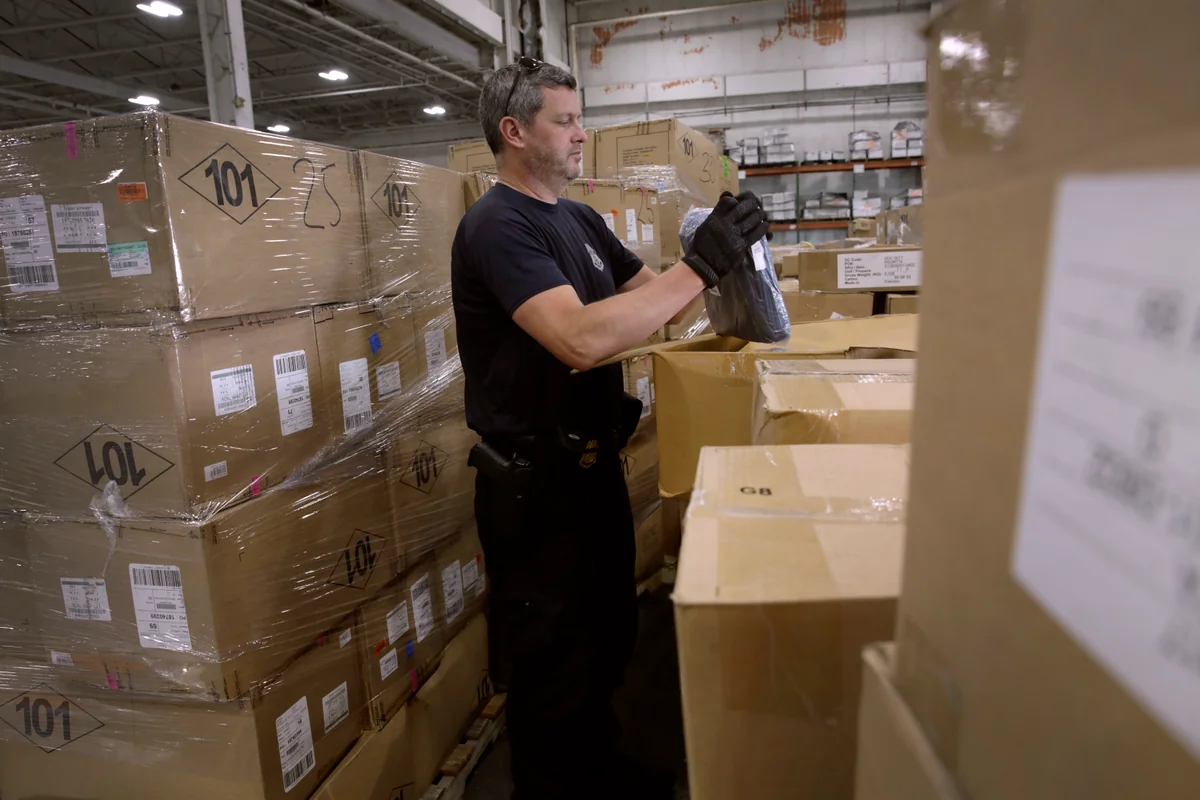
While lightweight documents and small premium packages move via air cargo, the vast majority of domestic e-commerce inventory, consumer goods, and large cartons travel along the Eastern and Western nautical highway corridors aboard roll-on/roll-off (Ro-Ro) vessels.
During major Philippine holidays, maritime shipping corridors face two severe compounding bottlenecks:
1. The Port of Matnog Highway Chokepoint
The Port of Matnog, located at the southernmost tip of Sorsogon in Bicol, serves as the critical maritime bridge linking Luzon to the Visayas via the Port of Allen in Northern Samar, and connecting onward to Mindanao through Lipata in Surigao City.
During the December holiday migration and Holy Week, thousands of provincial passenger buses, private holiday vehicles, and commercial cargo trucks converge simultaneously along the Maharlika Highway. Vehicle queues outside the Matnog terminal gates frequently stretch between 5 and 15 kilometers into the surrounding countryside.
Container trucks operated by freight and courier services often wait between 24 and 72 hours merely to secure deck space on an available Ro-Ro vessel. Even when LBC sorting facilities operate at peak internal efficiency, inter-island linehaul trucks remain physically immobilized on the highway awaiting maritime boarding.
2. Monsoon Sea Disruptions (Amihan Season)
The fourth-quarter peak shipping season directly overlaps with the Northeast Monsoon (Amihan), which generates rough sea conditions, high swell warnings, and frequent tropical depressions across the Philippine Sea, San Bernardino Strait, and Surigao Strait.
Whenever the Philippine Coast Guard (PCG) issues gale warnings or raises tropical cyclone wind signals, maritime regulations require passenger and Ro-Ro vessels to suspend voyages immediately. A single 48-hour sailing ban creates an immediate backlog of hundreds of commercial trucks at ports in Batangas, Matnog, and Allen. Clearing this accumulated vessel queue often requires an entire week of continuous ferry rotations, pushing delivery schedules back by five to ten working days across all downstream island hubs.
Air Cargo Capacity Limits: Commercial Flight Belly-Hold Allocation
Many consumers believe that paying for air express shipping grants complete immunity from holiday delays. In practice, air cargo experiences unique operational bottlenecks during peak travel weeks due to commercial aviation constraints.
Domestic courier networks in the Philippines rely heavily on scheduled commercial passenger flights operated by carriers like Philippine Airlines, Cebu Pacific, and AirAsia to move air freight. Express courier pallets are loaded into the "belly hold" beneath the passenger cabin.
During peak holiday seasons—such as the pre-Christmas week, All Saints' Day weekend, and Holy Week—commercial domestic flights operate at 100 percent passenger capacity. Passenger travel during these periods is accompanied by heavy checked baggage volumes.
Under strict aviation safety and aircraft weight-and-balance regulations, passenger baggage takes absolute priority over commercial freight. When aircraft reach maximum allowable take-off weights due to heavy passenger luggage, airlines bump commercial cargo pallets to later flights or offload them entirely.
As a consequence, senders encounter specific seasonal air cargo constraints:
- Cargo Staging Delays: Express courier pallets can remain staged on airport tarmac holding warehouses at Ninoy Aquino International Airport (NAIA) or Clark International Airport for two to four days awaiting flight space.
- Turboprop Limitations to Secondary Hubs: Flights serving regional island destinations—such as Caticlan (Boracay), Tagbilaran (Panglao), Siargao, and Busuanga (Coron)—are operated primarily using turboprop aircraft (like the ATR 72 or Dash 8) with strict cargo payload caps. These aircraft cannot accommodate oversized cargo or large freight volumes during passenger surges.
- Nocturnal Flight Curfews: Many secondary provincial airports in the Philippines lack night-landing equipment, limiting flight arrivals to daylight hours and preventing carriers from scheduling overnight relief cargo flights.
Holy Week (Semana Santa) Operational Schedule
Holy Week represents the most extensive scheduled operational shutdown in the Philippine commercial calendar. While the Christmas season features surging consumer spending and active delivery couriers punctuated by brief holiday closures, Holy Week brings domestic commerce and transport to a complete coordinated standstill.
To manage shipments effectively during Holy Week, senders must align their drop-offs with the phased operational timeline:
Palm Sunday to Holy Wednesday: Accelerated Linehaul Clearances
During the first half of Holy Week, LBC distribution hubs operate at accelerated capacity to clear as much in-transit freight as possible before national transport arteries freeze.
Senders should tender urgent intra-island packages no later than Holy Monday afternoon. Inter-island consignments dropped off after Holy Tuesday morning will almost certainly be locked in transit over the long weekend.
Maundy Thursday: Nationwide Branch and Delivery Closure
Maundy Thursday is a statutory regular holiday under DOLE rules.
All standalone street branches nationwide are closed, and residential door-to-door delivery operations pause completely. Shopping malls across the Philippines close their doors for religious observance, resulting in the simultaneous closure of mall-based LBC branches. Maritime ferry schedules operate at reduced frequencies or prioritize pedestrian passenger transit over freight trucks.
Good Friday: Total Operational Freeze
Good Friday represents a total nationwide shutdown across public and private sectors in the Philippines.
All branches, delivery teams, and customer service hotlines are closed. Air and maritime cargo transit ceases completely. Online tracking systems will show zero status movement for 24 hours.
Black Saturday: Partial Reactivation and Mall Branch Operations
Black Saturday is designated as a special non-working day.
Major commercial shopping malls reopen to the public, and LBC branches located inside SM, Robinsons, and Ayala complexes resume counter operations. Customers can collect pre-positioned Cash on Pick-Up (COP) packages and drop off new shipments. Residential delivery riders remain largely inactive as primary linehaul sorting centers restage accumulated freight.
Easter Sunday and Easter Monday: Full Network Normalization
Full door-to-door courier dispatching resumes on Easter Monday morning.
Senders and recipients should expect standard transit times to resume gradually over the first 48 to 72 hours as distribution centers process backlogs accumulated during the four-day holiday pause. To understand standard daily dispatch windows once normal operations resume, consult our detailed LBC delivery hours guide.
Decoding Holiday Tracking Statuses and Extended Hub Stalls
During peak shipping seasons, recipients frequently observe tracking entries that appear stagnant for several days. Knowing how to interpret these status codes within the context of holiday logistics helps avoid unnecessary concern:
Status: "Received at Sorting Hub / Exchange" (Staged in Transit Queue)
When a parcel remains in "Received at Exchange" status for three to five days during December, it does not mean the package is lost or misplaced.
In logistics terminology, this scan confirms that the package has been scanned into a central transshipment hub (such as the Central Exchange in Metro Manila). However, because outbound linehaul trucks or airport cargo pallets are operating at maximum capacity, the parcel is stored in a secured staging zone awaiting its scheduled transport window. The tracking status cannot update until the container arrives at the destination regional facility and undergoes an inward deconsolidation scan.
Status: "En Route to Delivery Hub" (Trapped in Highway or Ferry Queues)
During normal periods, "En Route to Delivery Hub" indicates that a truck is traveling between distribution centers, typically completing the journey within 24 to 48 hours.
During holiday periods, this status often persists for four to seven days. This extended duration occurs because the linehaul truck carrying the container is waiting in Ro-Ro ferry lines at the Port of Matnog or navigating heavy holiday traffic along the Pan-Philippine Highway. The parcel remains technically "En Route" until the vehicle reaches its destination terminal and the container seal is officially verified and broken.
Status: "Out for Delivery" Followed by Rescheduling
During the December peak, individual delivery riders frequently receive daily manifests containing 150 to 200 parcels—double their normal workload.
Couriers contend with severe holiday street congestion, restricted vehicle delivery windows in commercial zones, and gate delays in residential subdivisions. If a rider reaches 7:00 PM without servicing every address on their manifest, the remaining parcels are returned to the local hub, scanned back into secure custody, and rescheduled for the next delivery cycle. If your tracking number is missing from your paperwork, learn how to recover your shipment details via our guide on how to track LBC without the receipt.
Seller Strategy: Protecting Your Business Reputation During Peak Seasons
For e-commerce merchants and social commerce sellers, unmanaged holiday delivery expectations can lead to severe operational damage, including customer disputes, canceled orders, chargebacks, and costly return-to-sender (RTS) shipping fees.
Implementing these proactive operational protocols protects customer satisfaction and business reputation:
1. Publish Clear Holiday Cutoff Dates on Storefronts
Do not wait for carriers to announce emergency backlogs. Publish explicit shipping cutoff dates across your social media pages, marketplace product descriptions, and storefront checkout banners by late October. Clearly inform buyers that orders placed after designated cutoff dates (such as December 10 for Visayas and Mindanao) are not guaranteed to arrive before Christmas.
2. Leverage Branch Pick-Up (COP) as a Delivery Workaround
For buyers ordering time-sensitive gifts during the second and third weeks of December, strongly recommend LBC Branch Pick-Up (Cash on Pick-Up / COP) at an accessible mall branch instead of residential delivery.
Consolidated branch shipments bypass neighborhood residential courier delivery queues. Once the container reaches the destination mall branch, the package is immediately ready for counter collection. The customer can claim their parcel at their convenience while completing holiday shopping, even on weekends and special non-working days. Senders can locate nearby operating branches using our LBC branch locator guide.
4. Upgrade Packaging for Rainy Amihan Conditions
Holiday parcel surges coincide with the rainy Northeast Monsoon season. Outer cardboard boxes frequently encounter moisture during tarmac loading or open-air staging. Always wrap inner merchandise in waterproof poly bags, apply heavy-duty bubble wrap around fragile items, and reinforce all cardboard seams with water-resistant packing tape.
Buyer Contingency: What to Do If Your Holiday Package Is Delayed
If your holiday parcel is delayed and the scheduled occasion is rapidly approaching, follow these practical steps to resolve the issue:
1. Verify Operating Hours Before Visiting Branches: Standalone street branches close early on holiday eves (typically around 2:00 PM or 3:00 PM on December 24 and December 31) and remain closed on regular holidays. Always verify whether your target branch is standalone or mall-based by checking our branch office hours guide before traveling to claim a parcel.
2. Authorize an Agent If Traveling Out of Town: Many Filipinos travel to home provinces during Christmas and Holy Week. If you expect a delivery while away, leave a signed authorization letter, a photocopy of your valid government ID, and the exact cash payment (for Cash on Delivery / COD shipments) with a trusted household member or neighbor. Couriers cannot surrender COD packages without collecting full payment and verifying identity.
3. Request Hub Interception for Critical Items: If tracking indicates that your parcel has arrived at the local delivery team hub but remains unassigned to a rider due to peak volume backlogs, you can contact LBC customer support to request a hold for counter pickup directly at the delivery hub. Note that hubs require valid photo identification matching the consignee name before releasing freight.