What Does "Held at Branch" Actually Mean on LBC Tracking?
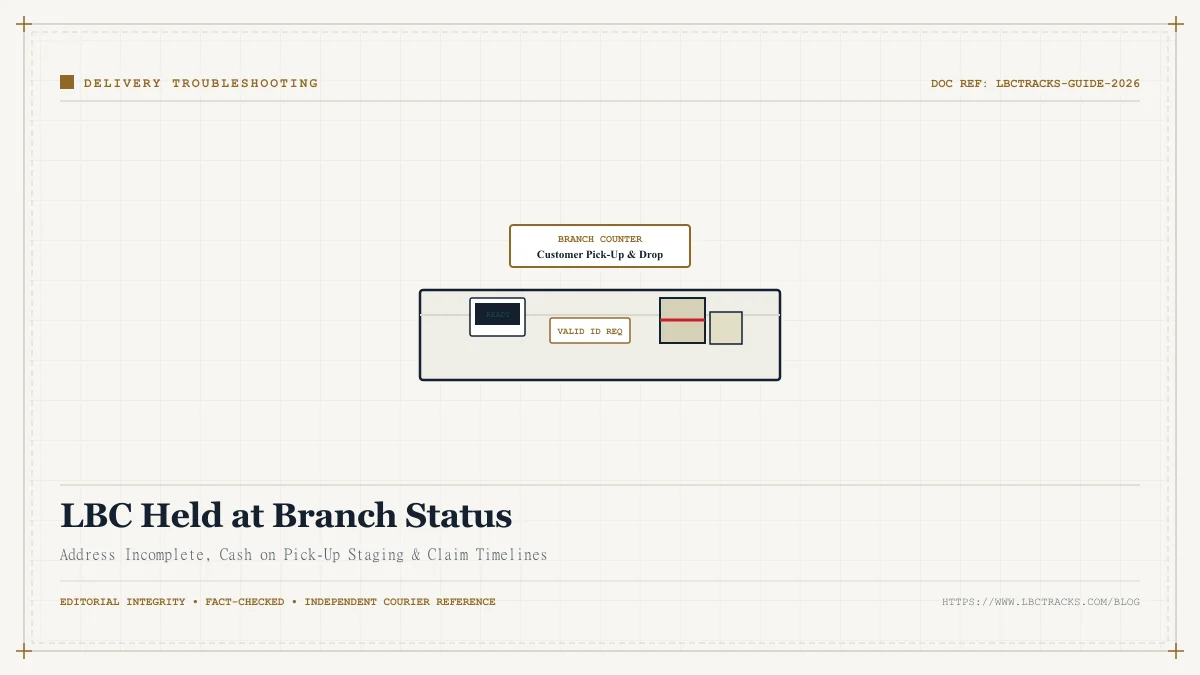
Seeing the tracking status update to "Held at Branch" or "Hold at Delivery Hub" often causes immediate concern for customers expecting a package at their front door. Many recipients worry that their shipment is frozen, misplaced, or seized due to freight infractions. In everyday courier logistics across the Philippines, however, "Held at Branch" is a routine operational designation. It simply informs you that your physical parcel is currently resting inside the secure staging inventory or counter cage of a specific LBC facility, where it is protected from transit weather and awaiting customer claiming or next-step dispatch routing.
To properly interpret this status, you must distinguish between two completely different logistics scenarios: intentional branch holds and operational exception holds. When an e-commerce merchant or individual sender books a shipment as Cash on Pick-Up (COP) or chooses Branch Pick-Up as the fulfillment mode, the parcel is intended from day one to terminate at a branch counter. In this context, "Held at Branch" is a positive notification meaning your parcel has completed its line-haul transit and is ready for immediate collection.
Conversely, if your package was originally booked for residential doorstep delivery, the "Held at Branch" status indicates an operational pause. The last-mile motorcycle rider or delivery van was unable to complete doorstep handover, or the servicing hub identified an address discrepancy that prevented rider dispatch. Instead of letting the parcel ride repeatedly on a delivery van over rough provincial roads, carrier protocol mandates transferring the package into the nearest retail branch storage vault where the consignee can claim it safely.
A parcel marked "Held at Branch" is located at a retail customer service branch where public counter claiming is permitted. If your tracking instead reads "Held at Exchange" or "Staged at Central Sorting Facility," the parcel is inside a restricted industrial gateway (such as Pasig or Subic) and cannot be picked up over the counter.
The Five Primary Operational Causes of a Branch Hold
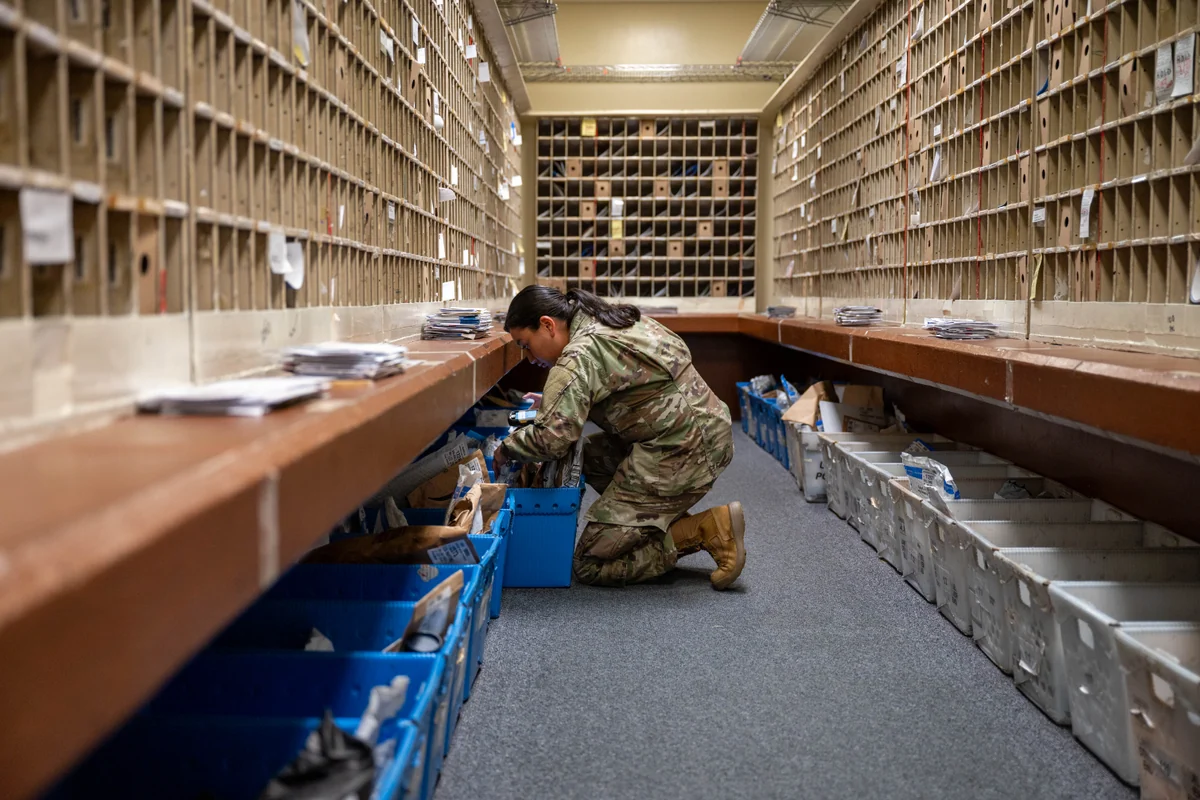
Why did your specific parcel end up stored at an LBC branch counter rather than arriving at your residence? Delivery dispatch logs indicate that over ninety-five percent of all branch holds stem from one of five distinct operational root causes:
- 1. Intentional Cash on Pick-Up (COP) or Branch Collect Booking: The sender selected COP or designated a specific branch as the final delivery terminal. The parcel travels through the domestic network directly to that branch counter, triggering the hold status upon terminal check-in.
- 2. Exhausted Doorstep Delivery Attempts: Under standard LBC delivery operating procedures, couriers make up to two official attempts to hand over a residential parcel. If no authorized adult recipient is present to sign or settle COD balances, the rider returns the item to the hub, where it transitions into branch holding.
- 3. Incomplete, Ambiguous, or Unlocatable Address Information: Address formatting errors are prevalent in rapidly expanding subdivisions, rural sitios, and newly developed commercial zones. If a waybill lists only a general barangay without a street name, house number, or recognizable landmark, dispatch supervisors hold the item until the recipient contacts customer care with corrective directions.
- 4. Direct Consignee Rerouting or Hold Request: If a buyer realizes they will be out of town or working overtime, they may proactively phone the LBC customer hotline (02) 8858-5999 to request that their incoming parcel be held at their preferred branch for personal collection on Saturday or Sunday.
- 5. Out-of-Delivery Area (ODA) Batch Staging or Severe Weather Pauses: Remote island barangays and mountain sitios frequently operate on once-weekly or twice-weekly feeder schedules. Parcels destined for these zones are held securely at the mother municipal branch until the scheduled rural feeder shuttle departs.
How Long Does LBC Hold Packages? Storage Windows & Timelines
Branch storage is not permanent. Couriers operate high-velocity sorting networks designed to circulate freight rapidly rather than functioning as long-term public warehousing. Every branch has limited physical shelf space, meaning retention timetables are strictly enforced by back-end warehouse management software.
For shipments specifically booked as Cash on Pick-Up (COP), LBC grants a standard holding window of 5 calendar days from the date of the first "Held at Branch" tracking scan. Because the seller has merchandise tied up without payment, carriers enforce this compact window to ensure working capital is not paralyzed by unresponsive buyers. If the consignee fails to visit the branch counter within five calendar days, the system automatically marks the consignment as abandoned by buyer and initiates the reverse logistics pipeline back to the seller.
For regular doorstep shipments that were diverted to branch holding following failed delivery attempts, the retention window is generally 5 to 10 calendar days. During this retention period, LBC customer service attempts to reach the consignee via transactional SMS or phone calls. If day ten passes without customer collection or formal extension, the package is classified as undeliverable and marked for Return to Sender (RTS).
Under Philippine common carrier legal frameworks, specifically the Civil Code of the Philippines (Articles 1736 to 1738) and Department of Trade and Industry (DTI) administrative guidelines, carriers maintain a possessory lien over transported goods for accrued freight charges and reasonable storage expenses. While LBC rarely assesses punitive daily demurrage fees on standard consumer retail parcels during the initial holding window, failing to claim your item before the deadline leaves the carrier legally indemnified to return or dispose of the freight.
| Service Category | Standard Holding Window | Weekend Operations | Disposition Upon Expiration |
|---|---|---|---|
| Cash on Pick-Up (COP) | 5 Calendar Days | Mall branches open Sunday for claims | Automatic Return to Sender (RTS); buyer flagged |
| Branch Collect / Drop-Off Hold | 5 to 7 Calendar Days | Open during regular branch business hours | Returned to originating sender branch |
| Failed Doorstep Redelivery Hold | 5 to 10 Calendar Days | Standalone branches closed Sunday; malls open | Transferred to regional return warehouse |
| Out-of-Delivery Area (ODA) Hold | Up to 14 Calendar Days | Held until scheduled weekly feeder run | Contact sender for alternate municipal pickup |
| Damaged Packaging Quarantine Hold | 3 to 5 Calendar Days | Inspected by claims supervisor | Claims tracer opened; shipper contacted |
Step-by-Step Procedure to Claim Your Held Package
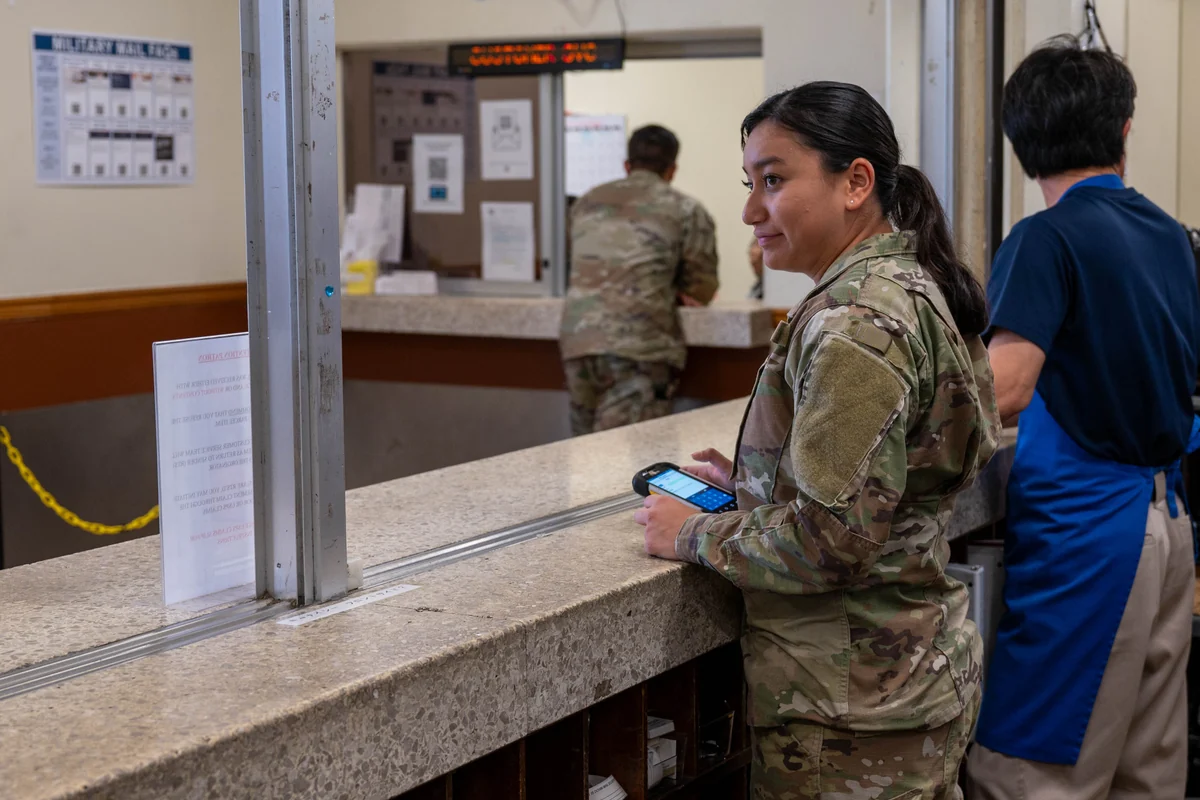
Collecting an item from an LBC branch is a straightforward counter transaction, but arriving without the required documentation will result in counter staff refusing to release the shipment. Due to strict identity verification standards under Republic Act 10173 (Data Privacy Act of 2012) and anti-fraud logistics safeguards, branch associates cannot hand over parcels based merely on a verbal name claim.
Follow this systematic protocol to claim your package quickly without counter friction:
Confirm the Exact Branch Location in Your Tracking Log
Do not assume the package is at your nearest neighborhood branch. Check the tracking log details to verify the specific branch facility named (e.g., "LBC SM City Bacolod Branch" vs. "LBC Lacson Street Delivery Hub"). Visiting the incorrect branch will require counter staff to redirect you across town.
Verify Operating Hours Before Traveling
Standalone high-street branches typically operate Monday through Friday from 8:00 AM to 5:00 PM and Saturday from 8:00 AM to 12:00 PM or 3:00 PM, remaining closed on Sundays. Mall-based branches inside SM, Robinsons, and Ayala malls remain open seven days a week from 10:00 AM to 8:00 PM or 9:00 PM.
Gather Your Primary Identification Documents
Prepare at least one original, unexpired government-issued photo ID whose full legal name matches the consignee name printed on the waybill manifest (such as PhilID, Passport, Driver's License, UMID, or Postal ID).
Prepare the 12-Digit Waybill Tracking Number and Exact Cash
Have your tracking number clearly written or open on your smartphone screen. If your shipment involves Cash on Pick-Up (COP) or unpaid cash on delivery charges, prepare the exact cash amount to avoid cashier delays.
Inspect the Exterior Packaging Before Signing the Release Form
Before signing the branch counter release log or digital handheld terminal, physically inspect the parcel. Ensure the plastic security seal is intact, verify that the tamper-evident tape has not been sliced, and check that the parcel weight matches expectations.
Acceptable Identification Documents for Counter Claiming
LBC Express adheres to identity verification standards established by Philippine regulatory agencies. When presenting identification at the counter, the ID must be an original physical document, unexpired, and display a clear photographic likeness of the claimant.
Primary Government-Issued Identification Cards
Presenting any single document from this primary tier fulfills identity verification requirements immediately:
- Philippine Identification System (PhilID / ePhilID): Official national ID card or verified digital/paper credential.
- Philippine Passport: Issued by the Department of Foreign Affairs (DFA), valid for domestic and international freight identification.
- Driver's License: Issued by the Land Transportation Office (LTO), including official paper receipts with valid QR verification.
- Unified Multi-Purpose ID (UMID): Issued by the Social Security System (SSS) or Government Service Insurance System (GSIS).
- Professional Regulation Commission (PRC) ID: For registered and licensed Filipino professionals.
- Postal ID: Biometric identity card issued by the Philippine Postal Corporation (PHLPost).
Secondary Identification Options for Students and Seniors
If the designated recipient is a minor, student, or elderly family member without a primary national credential, branch supervisors accept secondary forms of identification, typically accompanied by supporting documents:
- School Identification Card: Valid for enrolled students, accompanied by current registration assessment papers.
- Senior Citizen ID Card: Issued by the local Office of Senior Citizens Affairs (OSCA).
- Barangay Certification of Residency: Featuring an official photo and dry seal, issued within the last six months.
- Voter's Certification / Certificate of Registration: Issued by the Commission on Elections (COMELEC).
Can Someone Else Claim on Your Behalf? Representative Rules
If work obligations, medical isolation, or travel prevent you from visiting the branch in person, you can authorize an adult family member, trusted friend, or colleague to collect the held package for you. Counter associates will release the consignment to a representative provided they supply complete, authentic documentation.
To prevent fraud, LBC branch cashiers strictly enforce the Three-Document Representative Rule:
- 1. Signed Physical Authorization Letter: A clearly legible handwritten or typed letter dated within the holding period, explicitly authorizing the representative by full legal name to collect waybill number [Your 12 Digits].
- 2. Photocopy of Consignee's Primary Valid ID: A clear photocopy of the original recipient's government-issued ID with their signature clearly visible.
- 3. Original + Photocopy of Representative's Valid ID: The designated representative must present their own original government photo ID for counter inspection and submit a photocopy for the branch transaction audit file.
AUTHORIZATION LETTER FOR BRANCH PARCEL COLLECTION Date: [Current Date] To: LBC Express Branch Head / Counter Associate I, [Your Full Legal Name], consignee of LBC Waybill No. [12-Digit Tracking Number], hereby authorize [Representative's Full Legal Name] to claim, inspect, and sign for my parcel currently held at your branch. Attached are photocopies of my [Type of Valid ID] and my representative's [Type of Valid ID]. Consignee Signature: ______________________ Contact Number: [Your Active Phone Number]
Troubleshooting: What to Do If the Branch Cannot Find Your Package
In rare instances, a customer arrives at the branch indicated in their tracking history, only for the counter clerk to report that the item cannot be located on the storage racks. While alarming, this temporary discrepancy usually occurs due to one of three logistics timing gaps:
1. Virtual Arrival Scan Ahead of Physical Cage Unloading: When a feeder shuttle van pulls into a branch dock, the driver often batch-scans all manifest barcodes into the terminal system before unloading the physical cages. If you arrive within twenty minutes of the scan, the parcel may still be sitting inside an un-palletized transfer crate.
2. Transfer Between Mother Hub and Satellite Kiosk: Mall satellite kiosks frequently receive daily inventory transfers from a larger mother delivery warehouse located in an industrial zone outside the mall. The tracking scan may register as "Held at Branch" when the mother hub receives the freight, with physical delivery to the mall counter scheduled for the afternoon shuttle.
3. Temporary Misplacement in Secondary Holding: In high-volume provincial branches handling hundreds of daily parcels, boxes occasionally get staged on the wrong shelf tier (e.g., mixed with general cargo instead of pouch bins).
If the counter clerk cannot locate your consignment after an initial search, do not simply walk away empty-handed. Ask to speak directly with the Branch Supervisor or Operations Officer-in-Charge (OIC). Present your tracking number and demand an internal "Branch Physical Inventory Search." If it is not found within 15 minutes, request an official Tracer Ticket number so the regional logistics auditor is formally engaged.