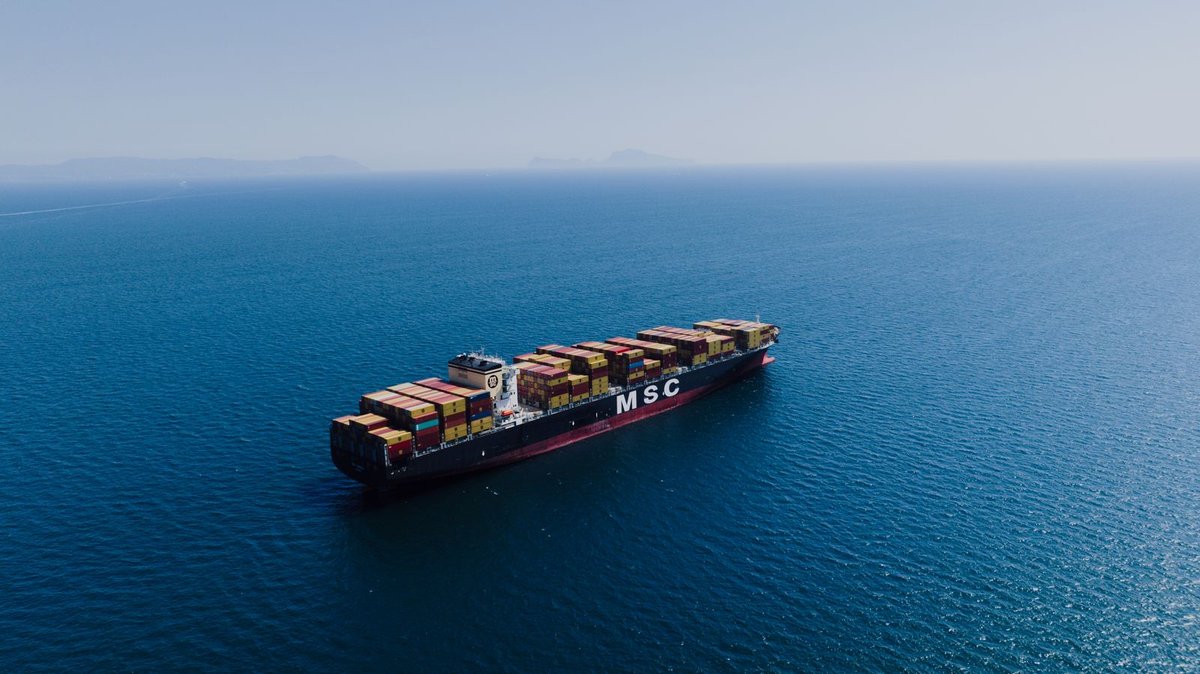
Send anything by sea, a balikbayan box, a container of goods, a car, and sooner or later someone mentions the bill of lading. It sounds like lawyer talk, but it is a simple and powerful document. This guide explains the bill of lading meaning in plain words, using the definition Philippine law itself gives, so you know what the document does and why people guard it so carefully.
In the Philippines, the term is defined in the Customs Modernization and Tariff Act, Republic Act No. 10863, the law the Bureau of Customs works under. LBC Tracks is an independent guide site; what follows sticks to that law and to what the document itself shows.
Bill of lading meaning, in plain words
Section 102 of the CMTA defines a bill of lading, shortened to B/L, as a transport document for water-borne freight, meaning cargo carried by ship. It is issued by shipping lines, carriers, international freight forwarders, or non-vessel operating common carriers, companies that arrange sea transport without owning the ship.
In everyday language: the bill of lading is the shipping line's official paper for your sea cargo. It names who sent the goods, who may claim them, what the goods are, and the terms under which the carrier agreed to move them. The law adds one sentence that gives the document its power: the holder or consignee of the bill has the right to claim delivery of the goods at the port of destination.
If the goods fly instead of sail, the matching document is the air waybill, covered in its own section below. Everything else in this guide is about the sea document.
The three jobs of a bill of lading
One sheet of paper does three jobs at once. This three part character is how Philippine courts and customs reviewers describe the document.
First, it is a receipt. The Supreme Court has defined a bill of lading as a written acknowledgement of the receipt of goods and an agreement to transport and deliver them at a specified place, to a person named or on his order. When the carrier signs it, the carrier is saying: we received these goods, in this number of packages, in apparent good order, for this voyage.
Second, it is the contract of carriage. The CMTA says the bill is a contract of carriage that includes the carrier's conditions, such as limits of liability and claims procedures. The fine print on the back of a bill of lading is not decoration. It sets what the carrier is responsible for, and what happens if something goes wrong on the way.
Third, it is a document of title. This is the job that makes the bill valuable. Because the holder of the bill has the right to claim the goods, holding the bill is treated as holding the goods themselves. Section 404 of the CMTA says imported goods are deemed the property of the consignee or the holder of the bill of lading, if it is duly endorsed. And Section 433 says no customs officer shall release goods to any person without the submission of the bill of lading or air waybill covering them, except on the written order of the carrier or the vessel's agent, in which case a copy of the bill is still required. Paper in hand, cargo released. No paper, no release, outside that narrow exception.
What is printed on a bill of lading
Open a bill of lading and you will find the same blocks of information, because the CMTA definition itself names the core contents: transport instructions to the shipping line and carrier, a description of the goods, and the applicable transportation charges. Around those, the standard fields are:
- The bill of lading number, the reference everyone quotes.
- The shipper: the person or company sending the goods.
- The consignee: the person or company entitled to receive them.
- The carrier and the vessel, with the voyage number.
- The port of loading and the port of destination.
- The description of the goods, their marks and numbers, and how many packages or containers.
- The weight and measurement of the load.
- The freight and charges, and whether freight is prepaid or collected at destination.
- The date and place the bill was issued, and the carrier's signature or stamp.
Read yours once, slowly. A wrong letter in the consignee's name or a wrong package count is easiest to fix before the ship sails, and hardest at the destination port, where the document is the key to release.
Bill of lading vs air waybill
The air waybill, or AWB, is the air cargo twin. Section 102 of the CMTA defines it in nearly the same words: a transport document for airfreight, used by airlines and international freight forwarders, naming the holder or consignee who has the right to claim delivery when the goods arrive, and itself a contract of carriage with the carrier's conditions, transport instructions, a description of the goods, and the applicable charges.
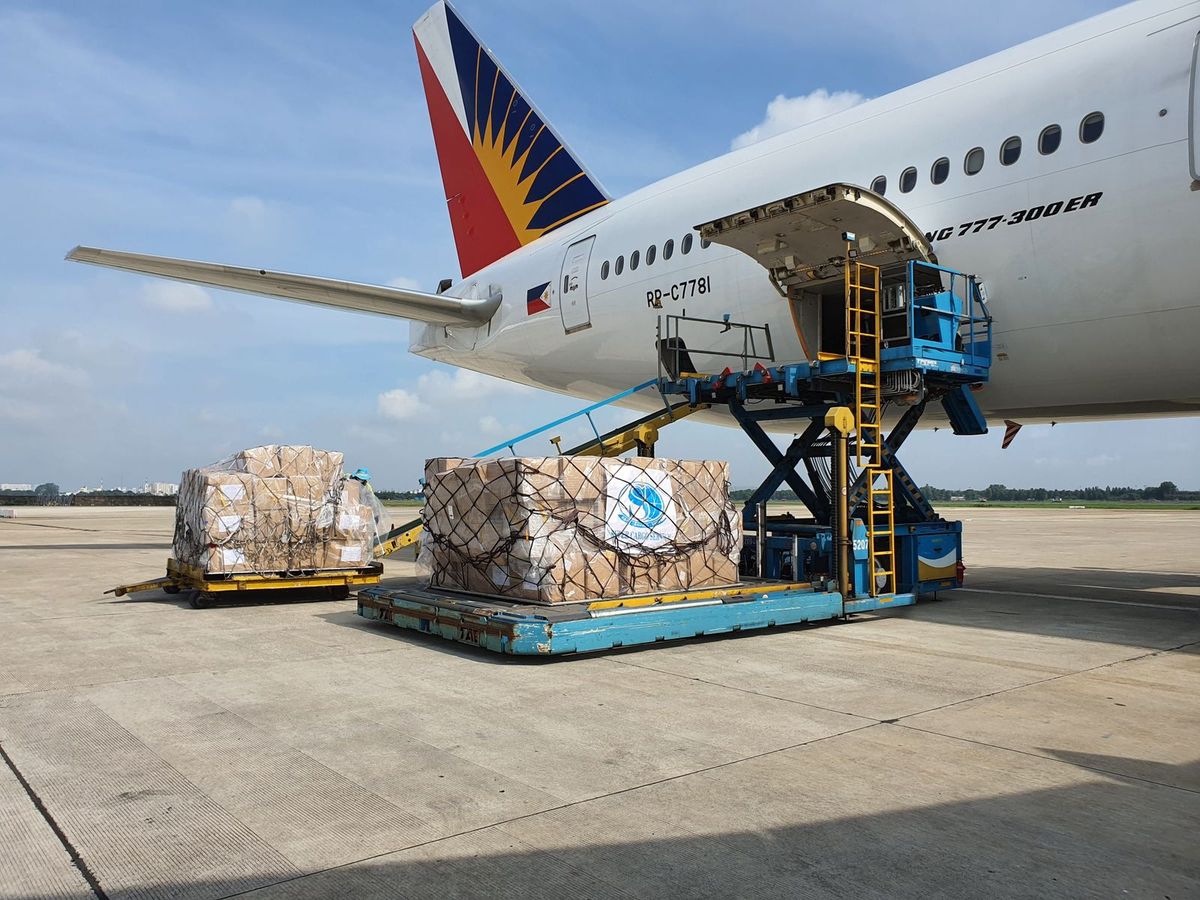
The everyday differences are three. The bill of lading is for water, the air waybill is for air. The bill of lading is issued by shipping lines and sea freight forwarders, the air waybill by airlines and air freight forwarders. And the bill of lading is the famous document of title in sea trade, the one that can be endorsed over to a new holder, which is why banks and buyers in international trade ask for it by name. For customs release in the Philippines, both documents play the same gatekeeper role under Section 433.
Master bill and house bill: whose name is on top
One last pair of terms explains a lot of confusion. Sea cargo is often consolidated: many senders' boxes share one container. The CMTA's own definitions describe this world, where a freight forwarder can be named in a master bill of lading as consignee of a consolidated shipment, and an international freight forwarder assembles shipments into a single lot.
So a consolidated sea shipment usually has two bills. The shipping line issues a master bill of lading to the consolidator, covering the whole container. The consolidator or forwarder then issues a house bill of lading to each individual sender, covering that sender's own boxes inside the container. If the consignee name on the paperwork for your shipment is a forwarding company rather than your relative, this is usually why: your family's goods are one lot inside a bigger, consolidated movement.
Why a balikbayan or cargo sender meets this document
You may never hold the master bill for your balikbayan box, but your box travels under one. The overseas forwarder you paid hands the consolidated container to a shipping line, the line issues the master bill, and at the Philippine end the goods can only be released against the bill, as Section 433 requires. Your forwarder's local partner uses it to clear and claim the container, then sorts the individual boxes for delivery.
Your own everyday paper is different, and earlier guides in this series cover it: when LBC collects a sea box, the receipt is the Packing List, and the 10 to 16 digit number under its barcode is your tracking number. Keep that, and the forwarder's own receipt, safe. If a name dispute or a release delay ever arises, the names on the bill of lading are the names that count, so give your forwarder the consignee's full, correctly spelled name from the start. Our guides to balikbayan box sizes and balikbayan box tracking walk through the sender side step by step, and what in transit means explains the long sea leg between the two ports.
Frequently asked questions
What does bill of lading mean in simple words?
It is the official transport document for cargo carried by ship. Issued by the shipping line or sea freight forwarder, it records who sent the goods, who may claim them, what the goods are, and the terms of the carriage. Philippine law, in Section 102 of Republic Act No. 10863, defines it in exactly those terms.
Is a bill of lading proof of ownership?
For customs purposes, very close to it. The CMTA treats imported goods as the property of the consignee or the holder of the bill of lading if duly endorsed, and customs will not release the goods without the bill being submitted, apart from a narrow exception on the carrier's written order.
Who issues the bill of lading?
Shipping lines, carriers, international freight forwarders, and non-vessel operating common carriers, per the CMTA definition. In a consolidated shipment, the shipping line issues the master bill to the consolidator, and the forwarder issues house bills to individual senders.
What is the difference between a bill of lading and an air waybill?
Mode and issuer. The bill of lading covers water-borne freight and comes from shipping lines and sea forwarders. The air waybill covers airfreight and comes from airlines and air forwarders. Both are transport documents and contracts of carriage under the CMTA, and both are required for customs release of the goods they cover.
What happens if the bill of lading is lost?
Contact the carrier or forwarder who issued it right away, before the cargo arrives. Release without presenting the bill is the exception, not the rule: under Section 433 of the CMTA it needs the written order of the carrier or the vessel's agent, with a copy of the bill still submitted. Expect the process to be slower than presenting the original document.
Do I need a bill of lading for my balikbayan box?
Your forwarder handles the bill of lading side with the shipping line and customs. What you must keep is your own paperwork from the forwarder, in LBC's case the Packing List with your tracking number, because that is your proof of the shipment and your key to following it.
The short version
A bill of lading is the sea cargo document that works as receipt, contract, and title at once. It names the sender, the goods, and the one person entitled to claim them at the destination port, and Philippine customs law will not release the goods without it. The air waybill is its twin for air cargo. If you send goods by sea, the details on that bill, above all the consignee's correct name, decide how smoothly your cargo comes home.