The Geography of Philippine Logistics: Why Remote Deliveries Take Longer
Shipping a parcel across the Philippine archipelago is fundamentally different from moving freight across contiguous continental landmasses. With over 7,641 islands separated by open seas, straits, and rugged mountain corridors, domestic courier logistics relies on a complex, multi-tiered transit infrastructure. When you tender a package in Metro Manila destined for an urban center like Cebu City or Davao City, the consignment moves through high-frequency commercial air cargo corridors, arriving within two to three business days. However, once a destination lies outside primary metropolitan flight paths, freight enters multi-leg inter-island logistics.
To understand why delivery times extend significantly in provincial destinations, one must examine the hub-and-spoke routing model utilized by major Philippine carriers like LBC Express. A parcel originating in an urban retail branch does not travel directly to the recipient's local barangay. Instead, it moves through a sequential hierarchy of sorting gateways and consolidation exchanges before reaching last-mile delivery vehicles.
The typical journey of a remote provincial shipment follows five distinct operational legs:
- Origin Sorting & Central Staging: The package is tendered at an originating branch, collected by the afternoon feeder truck, and consolidated at a major regional exchange (such as the Pasay Central Exchange or Paranaque Cargo Terminal).
- Primary Trunkline Transit: Cargo moves via domestic air freight or primary maritime container vessels to a regional gateway hub (such as Cebu Central Gateway for the Visayas, or Cagayan de Oro and Davao Gateways for Mindanao).
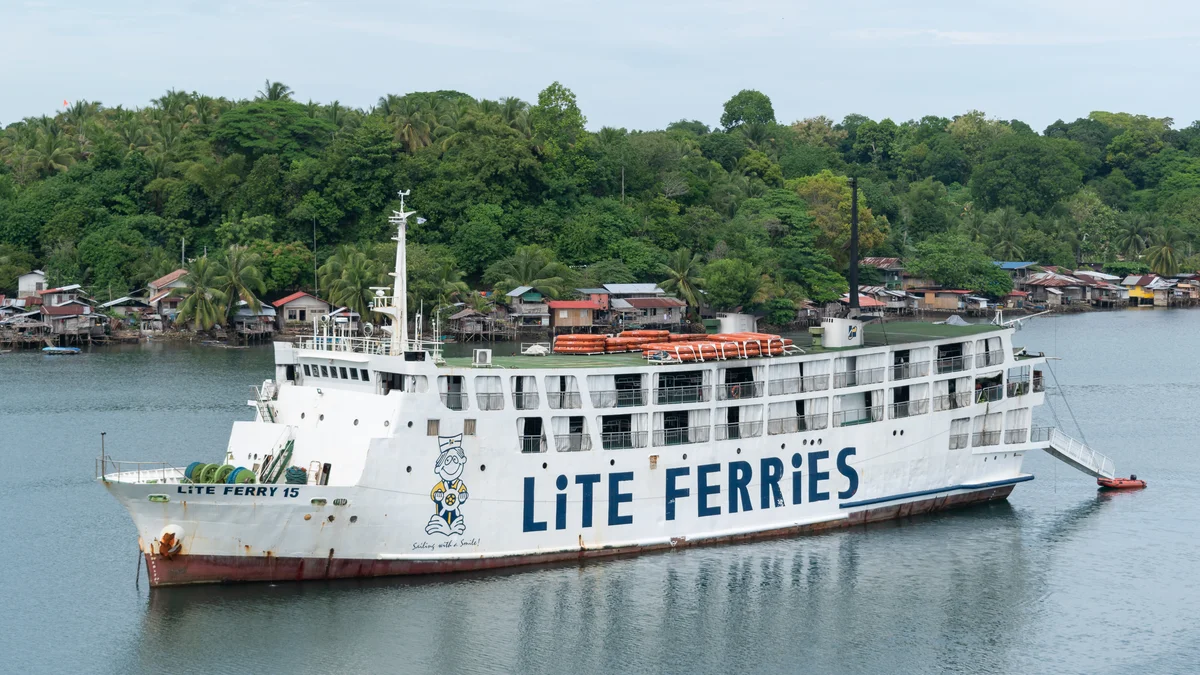
- Secondary Maritime or Overland Transfer: Freight is transferred onto roll-on/roll-off (RORO) inter-island ferries, coastal barges, or long-haul cargo trucks traversing provincial arterial highways.
- Provincial Servicing Hub Ingestion: The container arrives at the designated provincial hub (such as Tagbilaran for Bohol, Puerto Princesa for Palawan, or Tuguegarao for Cagayan Valley), where individual parcels are unloaded and sorted by route.
- Out-of-Delivery Area (ODA) Feeder Dispatch: For addresses outside standard daily urban van routes, parcels are batched into weekly consolidation shuttles, local utility vans, or motorcycle delivery runs.
While major commercial provincial airports handle daily passenger aircraft carrying belly-hold cargo, remote island destinations (such as Cuyo Island, Batanes, Romblon, or Tawi-Tawi) rely on weather-restricted feeder flights or weekly cargo ferry departures. A disruption on any single maritime leg cascades through the entire delivery schedule.
Understanding Out-of-Delivery Areas (ODA) and Special Delivery Zones
In courier industry terminology, an Out-of-Delivery Area (ODA)—frequently referred to alongside Special Delivery Areas (SDA)—designates a municipality, barangay, or island settlement situated beyond the economic boundary of daily motorized delivery routes. In high-density cities, an LBC courier van or motorcycle rider covers compact neighborhood streets every day from Monday through Saturday. In contrast, deep rural and provincial municipalities with dispersed populations and low commercial volume cannot sustain daily vehicle dispatches.
Rather than refusing service to these remote communities, couriers operate consolidated feeder schedules. In an ODA zone, shipments destined for a cluster of rural barangays are staged inside the provincial delivery hub until a designated dispatch day. Depending on the geographical accessibility of the municipality, ODA delivery runs operate on fixed weekly cycles—typically once or twice per week (such as Tuesdays and Fridays, or Wednesdays only).
If your consignment arrives at the provincial servicing hub on a Thursday afternoon, and your local barangay receives ODA deliveries only on Tuesdays, the package will remain secured in the warehouse vault for five days awaiting the next scheduled feeder run. This consolidation delay is the primary reason why tracking statuses appear stationary in provincial locations.
Furthermore, shipping to designated ODA locations may incur an ODA surcharge or Special Delivery Area fee. This surcharge reflects the heightened operational costs incurred by the carrier, including inter-island ferry toll fees, specialized four-wheel-drive vehicle deployment on unpaved roads, or contracting local transport partners for final doorstep conveyance.
| Destination Region & Corridor | Logistical Transit Method | Standard Urban Transit | Remote / ODA Transit Time |
|---|---|---|---|
| Metro Manila to Mega Manila (Cavite, Laguna, Rizal, Bulacan) | Overland highway fleet; daily line-haul | 1 to 2 Business Days | 3 to 5 Business Days |
| North & South Luzon Lowlands (Pampanga, Tarlac, Batangas, Quezon) | Overland expressway trucks & regional hubs | 2 to 3 Business Days | 4 to 6 Business Days |
| Cordillera Highlands (Benguet, Mountain Province, Ifugao, Kalinga) | Mountain highway feeder vans traversing steep passes | 3 to 5 Business Days | 6 to 9 Business Days |
| Batanes (Basco & Outer Islands) | Weather-dependent commercial air cargo & maritime barge | 5 to 7 Business Days | 8 to 14 Business Days |
| MIMAROPA Islands (Marinduque, Romblon, Oriental/Occidental Mindoro) | Batangas Port RORO ferry + overland provincial shuttles | 3 to 5 Business Days | 6 to 10 Business Days |
| Palawan Mainland & Outer Islands (Coron, El Nido, Cuyo, Brooke's Point) | Manila / Batangas sea container vessels & local feeder boats | 4 to 6 Business Days | 7 to 12 Business Days |
| Major Visayan Metros (Cebu City, Iloilo City, Bacolod, Tacloban) | Direct commercial air cargo & daily sea container vessels | 2 to 4 Business Days | 5 to 7 Business Days |
| Visayan Island Municipalities (Bantayan, Camotes, Siquijor, Biliran) | Inter-island ferry crossing from provincial mainland ports | 4 to 6 Business Days | 7 to 11 Business Days |
| Major Mindanao Cities (Davao, Cagayan de Oro, General Santos, Zamboanga) | Direct air freight & weekly sea container line-haul | 3 to 5 Business Days | 6 to 8 Business Days |
| Mindanao Interior & Island Provinces (Sulu, Tawi-Tawi, Dinagat, Basilan) | Zamboanga / Surigao port sea feeders & security checkpoints | 6 to 9 Business Days | 10 to 16+ Business Days |
Weather Disruptions: Coast Guard Sea Suspensions and Monsoon Logistics
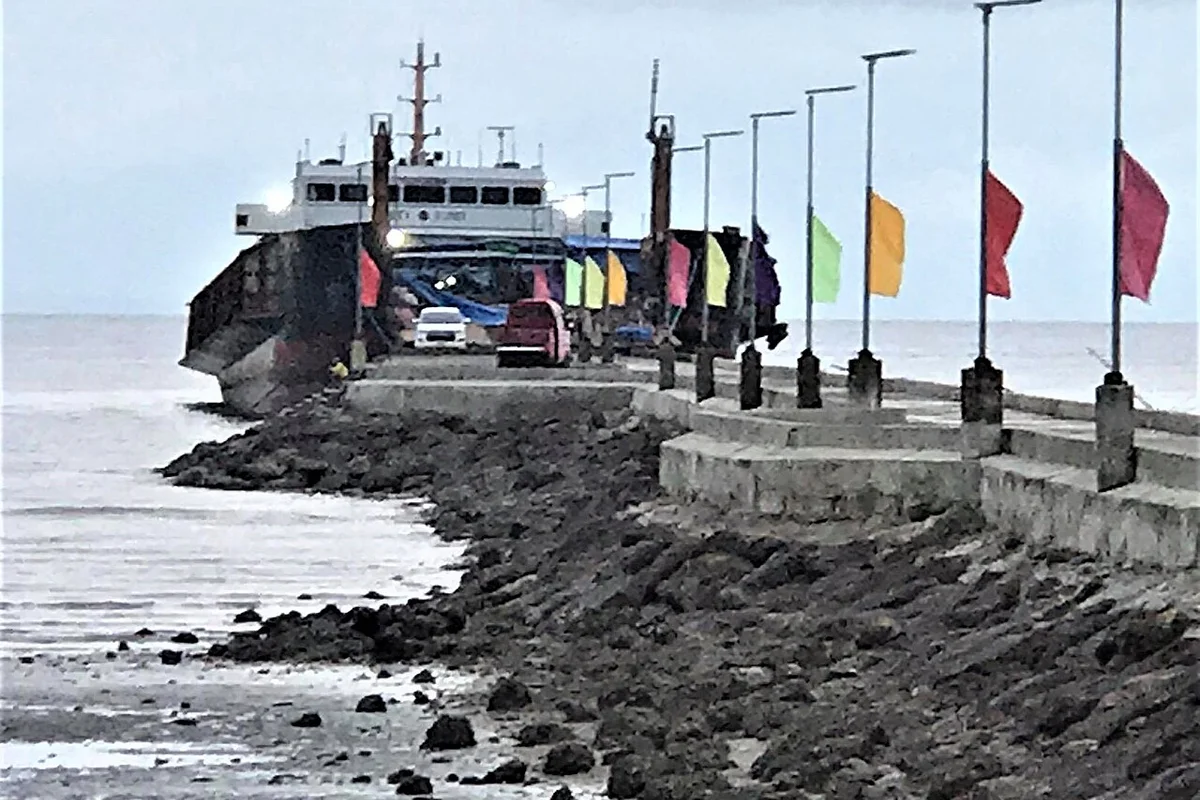
When rough seas halt ferry crossings for even twenty-four to forty-eight hours, hundreds of freight trucks accumulate in port marshaling yards. Once the Coast Guard lifts the gale warning, clearing the accumulated vehicular backlog can take three to five additional days. During this window, courier tracking systems will show the package as "In Transit" or "Arrived at Gateway" with no timestamp progression, because the cargo container remains securely sealed on a stationary truck awaiting port boarding.
- Port of Batangas: The primary gateway connecting Luzon freight to Mindoro, Marinduque, Romblon, and northern Palawan.
- Matnog Port (Sorsogon): The critical overland-to-sea bottleneck where Luzon cargo trucks cross the San Bernardino Strait to reach Allen Port on Samar Island (the gateway to the entire Eastern Visayas and Northern Mindanao via the Pan-Philippine Highway).
- Lipata Ferry Terminal (Surigao City): The maritime link connecting Visayan road freight to the Mindanao mainland across the Surigao Strait.
- Zamboanga Port: The sole maritime marshaling yard servicing outbound cargo ferries to the island provinces of Basilan, Sulu, and Tawi-Tawi.
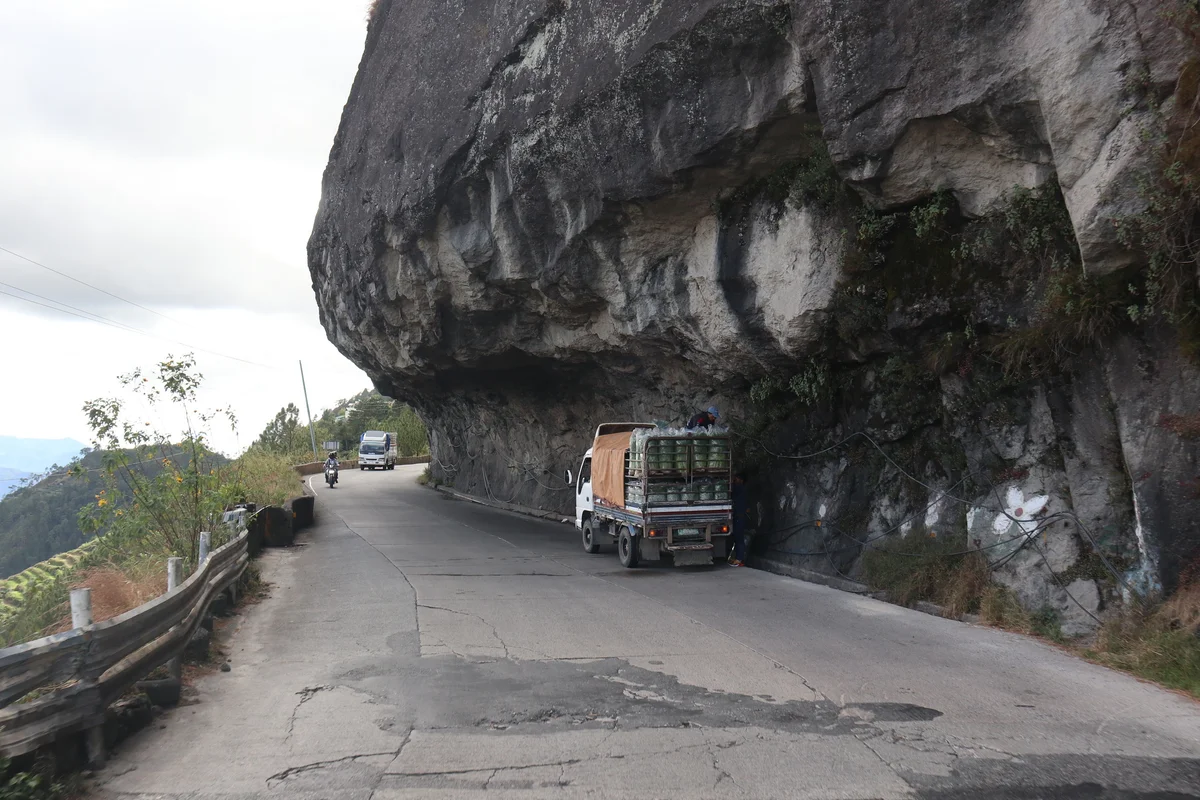
In highland regions such as the Cordillera Administrative Region (Benguet, Mountain Province) and mountainous sections of Mindanao (Bukidnon, Davao de Oro), heavy monsoon rainfall routinely triggers soil saturation and rockslides along critical transit arteries like Halsema Highway and Sayre Highway. Courier vans cannot bypass closed mountain passes until the Department of Public Works and Highways (DPWH) clears the roadbed, adding several days to provincial delivery schedules.
Tracking Nuances and Status Discrepancies in Remote Zones
In certain deep rural barangays, local delivery partners operate manual or offline manifests due to intermittent cellular network coverage. In these scenarios, the rider completes the physical handover and collects the recipient's signature on a physical paper receipt. The digital system may not reflect "Delivered" status until the courier returns to the base terminal late in the evening and synchronizes their handheld scanner with the central network.
Arrived at Central / Regional Exchange Hub
The parcel has reached the primary automated distribution facility (such as Pasay Central Exchange or Cebu Gateway). At this point, the package is scanned by high-speed sorting conveyors and sorted into a locked inter-island shipping container.
In Transit to Regional Distribution Gateway
The container is aboard an overland long-haul truck, cargo aircraft, or maritime RORO ferry. No intermediate scans occur while the container is physically traversing highways or open waters. This status may remain static for 48 to 96 hours on long-distance routes.
Received at Servicing Delivery Hub
The shipping container has arrived at the provincial hub facility (e.g., LBC Tagbilaran Hub or LBC Palawan Hub). The container seal is broken, and parcels are individually scanned to verify manifest contents. Your package is now in the destination province.
Forwarded to Delivery Team / Staged for ODA Run
The shipment has been assigned to the local route contractor or feeder shuttle servicing your municipal cluster. If your barangay is on a twice-weekly schedule, the parcel rests in the hub vault until the scheduled departure morning.
Out for Delivery
The rider or driver has loaded the package onto their vehicle for that day's active route run. In remote areas, route distances can span dozens of kilometers across unpaved roads, so delivery may occur anytime between 8:00 AM and 6:00 PM.
Proactive Strategies to Cut Remote Shipping Delays
While you cannot control the weather or the geographical distance of island transit, senders and recipients can employ practical operational strategies to eliminate unnecessary delays and reduce transit times by several days.
Consider these field-tested approaches when coordinating shipments to provincial destinations:
- Opt for Cash on Pick-Up (COP) or Branch Pick-Up: This is the single most effective way to accelerate delivery. Instead of requesting doorstep delivery to an ODA barangay that is serviced only once a week, address the shipment for pick-up at the primary LBC branch in the municipal center or provincial capital. The parcel becomes available for collection the moment it reaches the branch, bypassing the 3-to-7-day ODA feeder consolidation wait entirely.
- Format the Consignee Address with Hyper-Specific Landmarks: In provincial areas without standardized street numbers, couriers rely on descriptive landmarks. Always include the Purok or Sitio number, the exact Barangay, adjacent public buildings (e.g., "Near Barangay Hall", "Beside San Isidro Chapel", "Opposite Elementary School"), and two active, working mobile contact numbers.
- Time Your Dispatch Early in the Week: Dropping off a parcel on Monday or Tuesday morning maximizes the likelihood that it clears central hub sorting and boards mid-week ferry crossings before the weekend. Consignments tendered on Friday afternoon frequently sit in origin hubs until Monday, adding two dead days to an already lengthy provincial transit cycle.
- Check Maritime and Seasonal Advisories Before Booking: During peak typhoon months (August to November) or holiday travel rushes (Holy Week, All Saints' Day, and Christmas), port congestion spikes dramatically. Senders should add a 3-to-5-day buffer to all standard expectations during these windows.
If you notice that your package has arrived at the provincial capital hub but your doorstep delivery date is days away due to an ODA feeder schedule, the registered consignee can contact LBC Customer Service ((02) 8858-5999) or visit the servicing hub directly with a valid government ID to request "Hold for Branch Pick-Up" before the parcel is dispatched onto the weekly rural van.
What to Do When a Remote Shipment Exceeds Estimated Timelines
If a provincial shipment has exceeded the maximum estimated business days and tracking updates have ceased for more than five business days, follow this structured escalation protocol to locate the consignment:
Verify Calendar Business Days (Excluding Sundays and Holidays)
Courier delivery estimates in the Philippines operate strictly on business days. Sundays and official Philippine non-working holidays (regular holidays, special non-working days, and local municipal fiesta holidays) do not count toward transit timetables. Recalculate your elapsed time based purely on operational days.
Cross-Reference Regional Weather and Road Advisories
Check official bulletins from PAGASA, the Philippine Coast Guard, and the DPWH. If gale warnings were declared in the San Bernardino Strait, Batangas, or Surigao, your shipment was legally halted for maritime safety. No tracer action is required until ferry operations resume.
Contact the Servicing Provincial Hub Directly
Rather than speaking with general hotline representatives who only see public tracking scans, inquire with the branch manager or dispatch supervisor at the specific provincial hub indicated in your tracking log. Local branch personnel can inspect physical cages and confirm whether your package is staged for the next ODA run.
File a Formal Service Tracer Request
If the provincial hub cannot locate the consignment on its physical manifests, request the customer service team to open an official internal Tracer Ticket. Senders should provide the exact 12-digit waybill number, item description, declared packaging dimensions, and counter drop-off receipt.