The Realities of Archipelagic Logistics: How Parcels Move Across 7,000+ Islands
The Philippine archipelago comprises more than 7,600 islands separated by open seas, straits, and rugged mountain ranges. Delivering a document pouch or a heavy commercial crate from Laoag in northern Luzon to General Santos City in southern Mindanao requires navigating one of the most geographically intricate logistics corridors in the world. As the country's largest retail express courier, LBC operates an integrated multi-modal transit network connecting air cargo flights, Roll-on/Roll-off (RO-RO) maritime ferry vessels, highway line-haul tractor-trailers, and last-mile motorcycle dispatch fleets.
Understanding how long an LBC shipment takes requires moving beyond simple geographic distance. A destination 300 kilometers away on the same landmass (for example, Manila to Baguio City) moves continuously over paved expressways. Conversely, a destination 300 kilometers away across water (such as Batangas to Romblon or Mindoro) depends entirely on seaport ferry schedules, tide tables, and maritime safety clearances. The speed of your delivery is fundamentally determined by the line-haul transit corridor connecting the origin branch to the destination distribution hub.
Crucially, LBC calculates all delivery promises in business days. A standard business day represents Monday through Saturday, excluding Sundays and official statutory national holidays. Tendering a package on Friday afternoon for a 3-day provincial corridor means transit runs across Saturday, pauses on Sunday, and continues through Monday and Tuesday. Senders and recipients who fail to factor in weekend calendar pauses frequently mistake normal scheduled transit for courier delays.
LBC delivery lead times are calculated in business days (Monday through Saturday). Sundays and statutory national holidays do not count toward estimated delivery windows. Furthermore, packages dropped off after a branch's daily cut-off time begin their business day transit count on the following business day.
Comprehensive Turnaround Schedules by Origin and Destination Corridors
These regional timelines apply to shipments tendered under normal operating conditions. Urban centers with high flight connectivity (such as Metro Cebu and Metro Davao) benefit from multiple daily cargo flights, allowing high-priority pouches to arrive within 48 to 72 hours of drop-off. In contrast, municipalities situated hours away from provincial airports require regional road shuttles from the sorting hub, adding 24 to 48 hours to final doorstep dispatch.
| Origin Corridor | Destination Corridor | Air Express Lead Time | Sea Cargo Lead Time | Primary Line-Haul Mode |
|---|---|---|---|---|
| Metro Manila (NCR) | Metro Manila (NCR) | 1 to 2 Business Days | N/A (Ground Only) | Dedicated city delivery vans & motorcycles |
| Metro Manila (NCR) | Major Central Luzon (Bulacan, Pampanga, Tarlac) | 1 to 3 Business Days | N/A (Ground Only) | North Luzon Expressway (NLEX) line-haul trucks |
| Metro Manila (NCR) | Southern Luzon (Laguna, Batangas, Cavite, Rizal) | 1 to 3 Business Days | N/A (Ground Only) | South Luzon Expressway (SLEX) & STAR Tollway |
| Metro Manila (NCR) | Northern Luzon (Ilocos, Cagayan Valley, CAR) | 2 to 4 Business Days | 3 to 5 Business Days | Overland highway line-haul / Tuguegarao feeder |
| Metro Manila (NCR) | Bicol Peninsula (Naga, Legazpi, Sorsogon) | 2 to 4 Business Days | 3 to 6 Business Days | Maharlika Highway line-haul freight |
| Metro Manila (NCR) | Major Visayas Urban Centers (Cebu, Iloilo, Bacolod) | 2 to 4 Business Days | 5 to 7 Business Days | Commercial air cargo flights / Manila-Cebu vessels |
| Metro Manila (NCR) | Major Mindanao Cities (Davao, CDO, GenSan, Zamboanga) | 3 to 5 Business Days | 6 to 9 Business Days | Daily air freight / inter-island container ships |
| Provincial Luzon | Provincial Visayas / Mindanao Hubs | 3 to 6 Business Days | 7 to 10 Business Days | Transit through Central NCR Consolidation Hub |
| Major Urban Center | Remote Island Provinces (Batanes, Palawan, Tawi-Tawi) | 5 to 8 Business Days | 10 to 14 Business Days | Feeder turboprop flights / local island sea ferries |
Air Express vs. Maritime Sea Freight: How Service Selection Dictates Speed
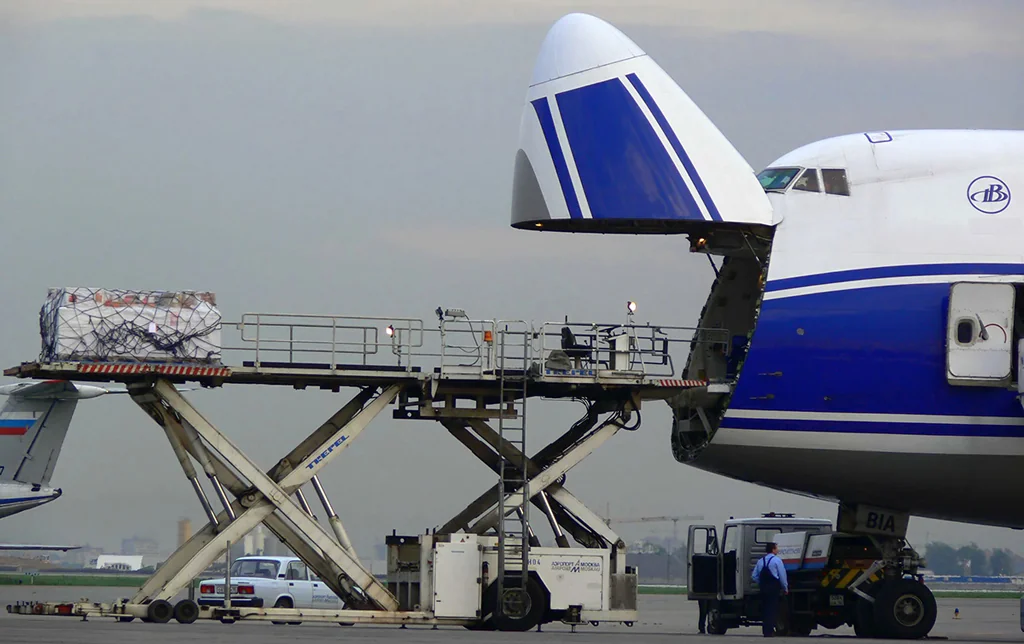
When tendering shipments at an LBC branch, customers must distinguish between Air Express (standard document pouches and small package boxes) and Sea Cargo (heavy freight, oversized crates, and specialized cargo). The mode of carriage determines both shipping tariff rates and transit duration.
Standard retail pouches (such as LBC's N-Pack Small, Medium, Large, and Box sizes up to specified weight limits) travel via commercial air express whenever possible. LBC leases dedicated cargo belly space on commercial passenger and freighter flights operating out of Ninoy Aquino International Airport (NAIA), Clark International Airport, and Mactan-Cebu International Airport. This allows air parcels crossing between Luzon, the Visayas, and Mindanao to cover thousands of kilometers in hours.
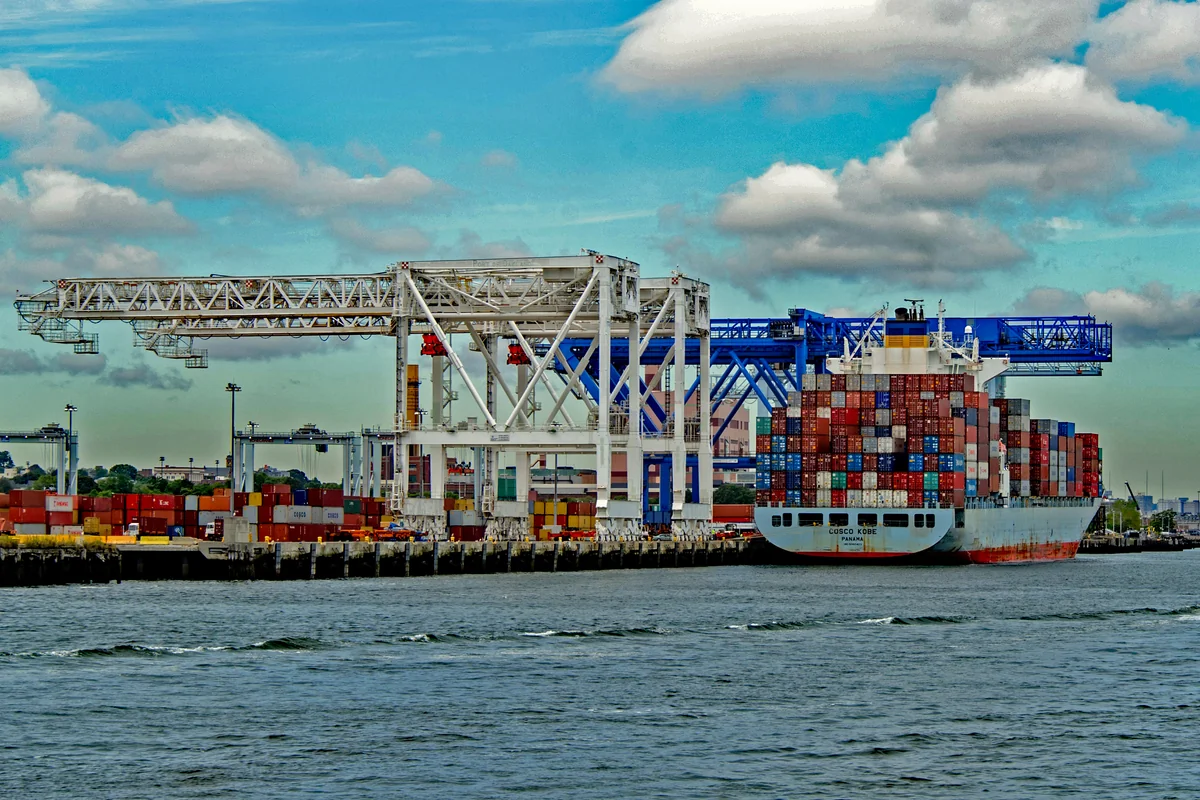
However, certain shipments are legally or operationally restricted from air travel under the regulations of the Civil Aviation Authority of the Philippines (CAAP) and International Air Transport Association (IATA). Parcels containing flammable liquids, aerosol sprays, pressurized containers, high-capacity lithium batteries, and bulky commercial freight exceeding volumetric aircraft thresholds must travel via sea cargo. Inter-island sea freight relies on container ships and Roll-on/Roll-off (RO-RO) vessels, which inherently require 5 to 10 business days depending on port docking cycles and maritime weather.
The Daily Intake Lifecycle: Branch Shuttle Cutoffs and Business Day Counting
A package's journey does not begin immediately when the counter associate hands you a printed receipt. Understanding the internal branch collection schedule reveals why identical shipments dropped off on the same day can arrive at their destinations 24 hours apart.
Every LBC retail branch operates under strict daily shuttle cutoff times. In most standalone urban branches, the primary shuttle cutoff occurs between 12:00 PM and 2:00 PM, with a secondary late-afternoon consolidation run between 4:00 PM and 5:00 PM. Mall branches, which open later, typically stage their departures in the late afternoon to coordinate with shopping center freight loading docks.
The operational impact of this cutoff is significant:
- Drop-offs Before Cutoff (Morning to Early Afternoon): Parcels tendered before the primary branch shuttle are loaded onto the afternoon transfer van, transported to the regional distribution exchange center, processed across automated barcode sorting conveyors by evening, and loaded onto nighttime line-haul trucks or early morning cargo flights. Day 1 of transit begins immediately.
- Drop-offs After Cutoff (Late Afternoon to Closing): Shipments accepted after the final shuttle departure remain securely stored inside the branch vault overnight. They do not leave the branch until the next business day's afternoon shuttle. Consequently, their official business day transit window begins 24 hours later.
- Saturday Afternoon Drop-offs: Packages tendered late Saturday afternoon remain in branch custody throughout Sunday. They are picked up during Monday's afternoon route, effectively adding 48 calendar hours before regional line-haul movement commences.
Island Province Logistics: Batanes, Palawan, Mindoro, Romblon, Sulu & Tawi-Tawi
Shipments bound for non-contiguous island provinces face unique geographic constraints. While major regional cities benefit from daily multi-frequency jet flights, peripheral island provinces depend on restricted regional feeder schedules.
In destinations such as Batanes (Basco), air connectivity is limited to small turboprop regional aircraft severely constrained by payload weight and unpredictable weather turbulence over the Luzon Strait. When commercial passenger loads peak, cargo space is deprioritized, creating multi-day staging backlogs at northern feeder airports.
For provinces like Palawan (Puerto Princesa, El Nido, Coron), air cargo to Puerto Princesa operates regularly, but last-mile distribution to northern or southern municipalities requires secondary overland line-haul transit traversing hundreds of kilometers of provincial roads. In the Sulu Archipelago (Basilan, Sulu, Tawi-Tawi), packages route through the Zamboanga City regional exchange hub before embarking on secondary sea ferry crossings or localized maritime relays. Senders shipping to these provinces should anticipate 5 to 8 business days for standard air express, and up to 14 business days for surface cargo.
Operational Delay Factors: Typhoon Gale Warnings, Coast Guard Halts, and Infrastructure Chokepoints
The Philippines lies directly within the Pacific typhoon belt, experiencing an average of twenty tropical cyclones annually. When the Philippine Atmospheric, Geophysical and Astronomical Services Administration (PAGASA) raises Tropical Cyclone Wind Signals (TCWS), the Philippine Coast Guard (PCG) enforces mandatory maritime safety protocols that automatically prohibit all sea vessels—including RO-RO ferries and cargo ships—from leaving port.
A single typhoon traversing central Visayas can strand hundreds of freight trucks at vital port crossings such as the Matnog (Sorsogon) to Allen (Samar) gateway, or the Batangas to Calapan (Mindoro) corridor. When sea lanes close, cargo lines queue for kilometers along approach highways. Once the storm passes and gale warnings lift, clearing the accumulated vehicular backlog can take 48 to 72 hours, resulting in systemic delivery delays across the entire southern network.
Similarly, civil aviation authorities issue ground stops or divert flights when heavy monsoon rains (Habagat) or tropical storms reduce runway visibility at regional airports. Because cargo travels in passenger aircraft cargo holds or dedicated feeder freighters, severe flight cancellations instantly delay air express dispatches.
Under LBC's official terms of carriage and standard Philippine commercial law, courier transit timetables are non-guaranteed estimates. Carrier liability does not apply to transit delays caused by force majeure events, including typhoons, floods, earthquakes, volcanic eruptions, port congestion, and government-mandated travel restrictions.
Deciphering In-Transit Statuses: When is a Shipment Truly Delayed?
A package should only be considered genuinely delayed if its tracking log remains completely static without milestone updates for more than four (4) consecutive business days in domestic air transit, or more than seven (7) business days in sea cargo. If your parcel exceeds these thresholds, initiate a formal customer service trace using the guidelines below.
Accepted at Branch / Forwarded to Exchange Hub
The package has been tendered and is traveling via the local shuttle van to the regional sorting center. Normal duration: 4 to 12 hours.
Received at Central Sorting / Exchange Hub
The parcel is undergoing automated dimensional scanning, barcode sorting, and container consolidation for air or highway dispatch. Normal duration: 12 to 24 hours.
In Transit / Line-Haul Transfer
The container is aboard an airplane, highway line-haul truck, or RO-RO vessel moving between regions. Status updates pause while the vehicle is in motion. Normal duration: 24 to 72 hours.
Received at Destination Delivery Hub / Forwarded to Branch
The package has arrived in the recipient's home province and is being sorted into specific neighborhood delivery zones. Normal duration: 12 to 24 hours.
Out for Delivery / Assigned to Rider
The courier rider has loaded the parcel onto their delivery motorcycle or van. Doorstep delivery is scheduled during daytime operating hours (8:00 AM to 6:00 PM).
Actionable Sender and Consignee Playbook for Faster Deliveries
Both senders and recipients can take practical steps to minimize transit turnaround times and prevent common delivery bottlenecks:
For Senders: Tender shipments early in the morning—preferably before 11:00 AM—to ensure your package boards the earliest daily branch shuttle. Provide complete and precise address details, including specific barangay names, sub-division phases, block and lot numbers, and prominent neighborhood landmarks (e.g., "Beside San Roque Chapel, blue two-story gate"). Always verify that the recipient's 11-digit mobile number is active and capable of receiving transactional SMS alerts.
For Recipients: Track your 12-digit waybill number proactively on independent tracking portals. When the status changes to "Out for Delivery," ensure your phone is accessible and that someone authorized with a valid ID is present at the delivery address. If you expect to be unavailable, consider routing the shipment as Cash on Pick-up (COP) to a nearby LBC branch, allowing you to claim the parcel at your convenience within five calendar days.