Pre-Departure Preparation: What to Know and Bring Before Leaving Home
Shipping a parcel through a commercial courier service for the first time can feel intimidating if you do not know what the counter intake process entails. Many first-time senders arrive at an LBC Express branch with a heavily taped cardboard box, only to be asked by the counter associate to cut the tape open on the spot. Others arrive without an acceptable government photo identification card or discover that they do not have the recipient's complete barangay address or local mobile phone number. Preparing thoroughly before stepping out of your house eliminates counter frustration, saves valuable time, and ensures your cargo moves through the logistics network without administrative holds.
The retail counter intake procedure at LBC Express serves two distinct purposes: verifying cargo security and establishing the contractual legal record of carriage. Under Philippine civil and commercial law governing common carriers, couriers bear strict responsibility for safeguarding freight from acceptance until physical delivery to the designated consignee. Simultaneously, national transport security regulations require couriers to prevent the carriage of hazardous materials, contraband, unmanifested currency, and dangerous goods aboard commercial cargo aircraft, inter-island cargo vessels, and highway linehaul freight trucks. Understanding these foundational responsibilities clarifies why branch associates follow rigorous intake protocols.
The Unsealed Package Rule: Mandatory Security & Prohibited Goods Inspection
The single most common mistake made by novice senders is meticulously sealing their shipping container at home with multiple layers of clear packaging tape. While this impulse stems from a natural desire to protect goods, every parcel tendered at an LBC retail counter must undergo a physical visual inspection by the branch teller prior to acceptance.
Branch tellers inspect package contents to confirm that the shipment does not contain prohibited or dangerous items. Under Philippine aviation safety directives and courier terms of carriage, prohibited items include flammable liquids, aerosol sprays, perfumes, fireworks, matches, loose uncertified lithium-ion batteries, illegal substances, perishable fresh foodstuffs, firearms, ammunition, and genuine paper currency. Tellers also verify that fragile items are reasonably cushioned and that liquids (such as approved lotions or cosmetics) are contained in leak-proof secondary barriers.
If you tape your box shut at home, the teller will hand you a pair of scissors or a box cutter and ask you to unseal it at the counter, which delays your transaction and destroys your initial tape job. Instead, pack your items securely inside the box, place your bubble wrap or cushioning around them, and leave the top flaps unsealed. Once the associate completes the visual check, they will seal the carton using heavy-duty branded packing tape provided at the counter at no additional charge.
Required Philippine Government Identification Documents
In compliance with Republic Act No. 10173 (the Data Privacy Act of 2012) and Anti-Money Laundering Council (AMLC) courier know-your-customer (KYC) regulations, couriers in the Philippines are required to verify the legal identity of all individuals tendering domestic or international freight. You cannot tender an anonymous shipment at an LBC counter.
You must present at least one valid, unexpired Philippine government-issued photo identification card. Acceptable identification credentials include:
- Philippine National ID (PhilID / ePhilID): Printed physical plastic card or officially laminated digital paper format featuring a scannable QR code.
- Land Transportation Office (LTO) Driver's License: Valid plastic card or official digital portal license.
- Department of Foreign Affairs (DFA) Passport: Valid Philippine or foreign international travel passport.
- Unified Multi-Purpose ID (UMID): Issued by SSS or GSIS.
- Postal ID: Digitized biometric postal identification issued by PhilPost.
- Professional Regulation Commission (PRC) License: Valid professional registration ID.
- Voter's Certification / Voter's ID: Issued by the Commission on Elections (COMELEC).
- Senior Citizen ID / PWD ID: Issued by the relevant local government unit (LGU) Office of Senior Citizens Affairs (OSCA) or Persons with Disability Affairs Office (PDAO).
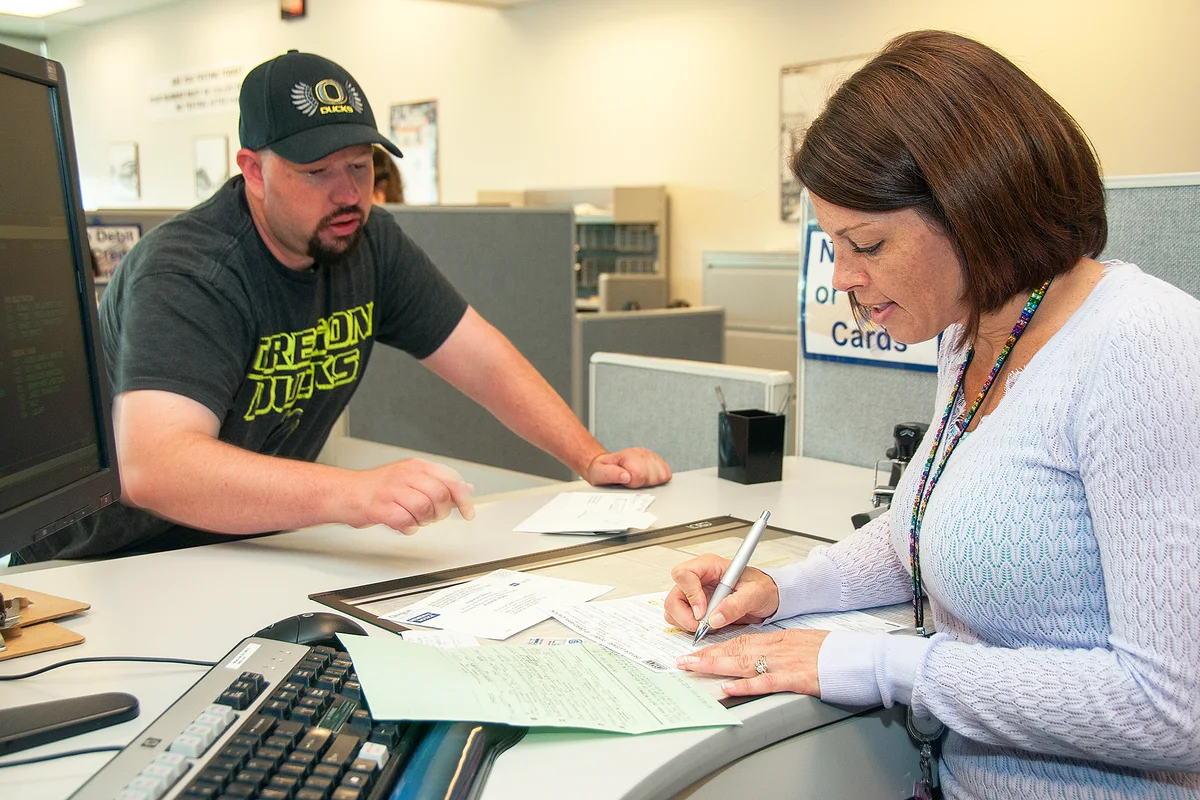
Gathering Complete Consignee (Recipient) Contact Information
Delivery failure in the Philippines is overwhelmingly caused by incomplete or ambiguous destination addresses. Unlike suburban developments in Western countries with uniform numerical street grids, Philippine urban and provincial neighborhoods frequently feature unnumbered houses, family compound lots, shared interior alleys, and overlapping territorial barangays.
Before heading to the counter, write down or save the recipient's complete delivery information on your phone in the following structured format:
- Full Legal Name: The recipient's actual first name and surname matching their government ID (avoid social media aliases or casual nicknames, which prevent authorized parcel release).
- Active 11-Digit Philippine Mobile Number: e.g., 0917-XXX-XXXX. Senders must ensure this number is currently active and capable of receiving SMS messages, as the automated dispatch server sends delivery alert texts to this number.
- House Number / Lot / Block / Unit Number: Specific room or floor if delivering to a condominium or office building.
- Street Name or Compound Name: Complete residential street identifier.
- Prominent Nearby Landmark: Critical for couriers navigating provincial or residential interior routes (e.g., "Across from San Isidro Chapel" or "Behind Barangay Health Center").
- Barangay: Mandatory geographic division. Cities often contain multiple barangays with similar sounding names.
- City or Municipality: Official local government jurisdiction.
- Province: Required for all provincial shipments outside Metro Manila.
- Postal / ZIP Code: 4-digit routing identifier ensuring dispatch to the correct regional delivery hub.
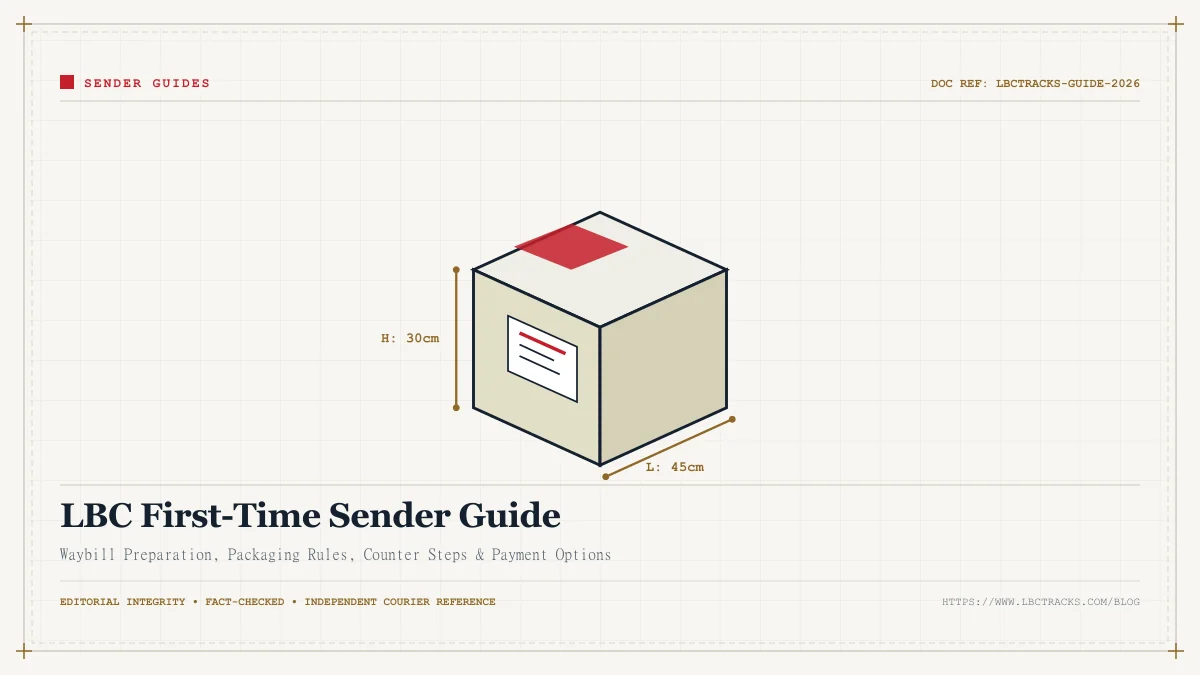
Do not seal your shipping box with tape at home. Pack your items neatly with adequate internal cushioning, but leave the top box flaps loose. The branch teller must inspect the interior contents before wrapping the box with official tamper-evident security tape.
Selecting the Right Packaging: Mailer Pouches vs. Rigid Corrugated Boxes
LBC Express provides standardized retail packaging options categorized into two primary lines: flexible poly mailer pouches (known as N-Pack) and rigid corrugated cardboard cartons (known as Kilobox). Choosing the correct packaging tier directly influences your total shipping cost and the physical security of your shipment during multi-hub transit.
Poly mailer pouches are made of durable, puncture-resistant polyethylene plastic featuring an adhesive peel-and-seal strip. Pouches are charged on flat regional rate tiers based on the pouch size selected, provided the contents fit without overstretching the seams and weigh within standard limits. Conversely, Kilobox corrugated cartons are constructed from multi-ply fluted cardboard designed to withstand stacking pressure inside linehaul trucks and air freight containers. Kilobox shipments are billed based on the box tier or actual gross weight, whichever produces the higher charge.
| Packaging Type | Size / Code | Approximate Dimensions (Inches) | Weight Limit | Best Suited Contents |
|---|---|---|---|---|
| Poly Mailer Pouch | N-Pack Slim | 6" x 10" (Flat) | Up to 500g | Flat letters, passports, legal affidavits, single documents |
| Poly Mailer Pouch | N-Pack Small | 9.5" x 14" (Flat) | Up to 1.0 kg | Small apparel, phone accessories, folded certificates, cosmetics |
| Poly Mailer Pouch | N-Pack Medium | 12" x 18" (Flat) | Up to 3.0 kg | Clothing, shoes without shoebox, soft goods, fabric bundles |
| Poly Mailer Pouch | N-Pack Large / XL | 15" x 20" (Flat) | Up to 5.0 kg | Bed sheets, multiple garments, winter jackets, bulky textiles |
| Corrugated Carton | KB Mini | 5.5" x 5.5" x 5.5" | Up to 1.0 kg | Mugs, watches, fragile jewelry, compact electronic gadgets |
| Corrugated Carton | KB Slim | 16" x 10" x 3" | Up to 2.5 kg | Laptops, tablets, framed diplomas, bound commercial catalogs |
| Corrugated Carton | KB Small | 12" x 10" x 5" | Up to 3.0 kg | Shoeboxes, small kitchen appliances, skincare jars, toys |
| Corrugated Carton | KB 1 | 14" x 10.5" x 7" | Up to 5.0 kg | Desktop computer parts, boxed footwear, bulk cosmetics, books |
| Corrugated Carton | KB 2 | 18" x 12" x 9" | Up to 10.0 kg | Mid-sized electronics, small appliances, multiple boxed items |
| Corrugated Carton | KB 3 / KB 5 | 20" x 16" x 12"+ | 15.0 to 20.0+ kg | Heavy home appliances, bulk wholesale inventory, relocation goods |
Step-by-Step Counter Walkthrough: The Complete Intake Experience
Arriving at a retail courier branch during peak morning or late afternoon hours can feel bustling. Understanding the exact five-stage intake sequence helps you navigate the branch counter smoothly and ensures your transaction is completed efficiently.
Queueing and Counter Tendering
Upon entering the branch, obtain a queue ticket from the automated kiosk or proceed to the customer queue line. When your number or turn is called, step up to the service counter, greet the associate, and place your unsealed package onto the counter surface. Present your valid government-issued photo ID immediately so the teller can initiate your customer record.
Content Inspection & Dimensioning
The teller will visually examine the contents inside your container, gently inspecting the top layer to verify compliance with dangerous goods regulations. The teller then places the package onto an electronic digital bench scale to capture its gross weight in kilograms. For boxed shipments, the teller uses a measuring tape or optical dimensioner to record length, width, and height.
Waybill Encoding and Delivery Destination Selection
You will provide the recipient's full legal name, active mobile number, and complete delivery address. At modern LBC branches, the associate inputs this data directly into the electronic point-of-sale terminal. You will also specify the delivery mode: standard door-to-door delivery (courier brings package to recipient's address) or branch pick-up (recipient claims parcel in person at an LBC branch).
Security Sealing and Barcode Affixing
Once data entry is verified, the associate folds the box flaps shut and applies official red-and-white LBC security tape across all open seams. For pouches, the teller peels the adhesive backing and presses the tamper-evident flap firmly. The thermal label printer generates the official adhesive waybill routing sticker, which the teller affixes squarely onto the top face of the carton or pouch.
Settling Freight Charges and Claiming the Receipt Slip
The terminal calculates the total charges based on parcel dimensions, weight, distance zone, declared valuation, and applicable taxes. Settle the fee using your preferred payment method. The register will print a thermal transaction receipt slip. Carefully place this slip into your wallet—this document contains your primary tracking number.
Payment Options, Declared Valuation, and Billing Methods
LBC Express provides flexible financial settlement options designed to accommodate diverse personal, e-commerce, and commercial customer needs. Understanding how courier freight charges are billed prevents awkward payment surprises at the counter.
At retail branch registers, customers can pay using several approved settlement methods:
- Cash: Standard Philippine Peso notes and coins. Senders are encouraged to carry exact or near-exact denominations, as high-volume morning branches may occasionally run low on small change.
- Digital E-Wallets (GCash & Maya): Every modern LBC branch terminal features official merchant QR codes allowing customers to scan and pay directly from their smartphone e-wallet apps.
- Debit and Credit Cards: Major branches accept BancNet debit cards, Visa, and Mastercard through counter EFTPOS terminals.
Freight Prepaid vs. Freight Collect vs. Cash on Delivery (COD)
Senders can assign financial payment responsibility between themselves and the recipient depending on the transaction type:
Freight Prepaid (Standard): The sender pays all shipping fees, valuation fees, and packaging costs in full at the originating branch counter. The recipient receives the package at their doorstep without paying anything.
Freight Collect (FC): The sender tenders the package without paying shipping fees. The courier transports the cargo to the destination, and the consignee pays the shipping fee upon doorstep handover or branch collection. If the recipient refuses or fails to pay, the freight charges revert to the sender.
Cash on Delivery (COD) / Cash on Pick-Up (COP): Designed specifically for online merchants and informal social commerce sellers. The courier collects both the shipping fee and the agreed item value from the recipient upon delivery, remitting the item payment back to the seller's nominated bank account or e-wallet.
Declared Valuation and Basic Valuation Surcharges
During waybill encoding, the teller will ask: "Magkano po ang declared value ng laman?" (What is the declared value of the contents?). This question is not conversational; it establishes the carrier's legal financial liability limit in the event of unforeseen loss or transit damage.
Standard freight tariffs include basic liability coverage up to PHP 500 for documents and small pouches. If your package contains merchandise of higher value—such as an electronic tablet worth PHP 15,000 or clothing worth PHP 5,000—you must declare its true commercial value. LBC assesses a modest valuation charge (typically approximately 1% of the value declared above the basic threshold) plus applicable VAT. In exchange, if the shipment is damaged or lost due to courier fault, your insurance compensation is calculated against your declared valuation rather than the minimum baseline tariff.
Deciphering Your Printed LBC Receipt and Initiating Online Tracking
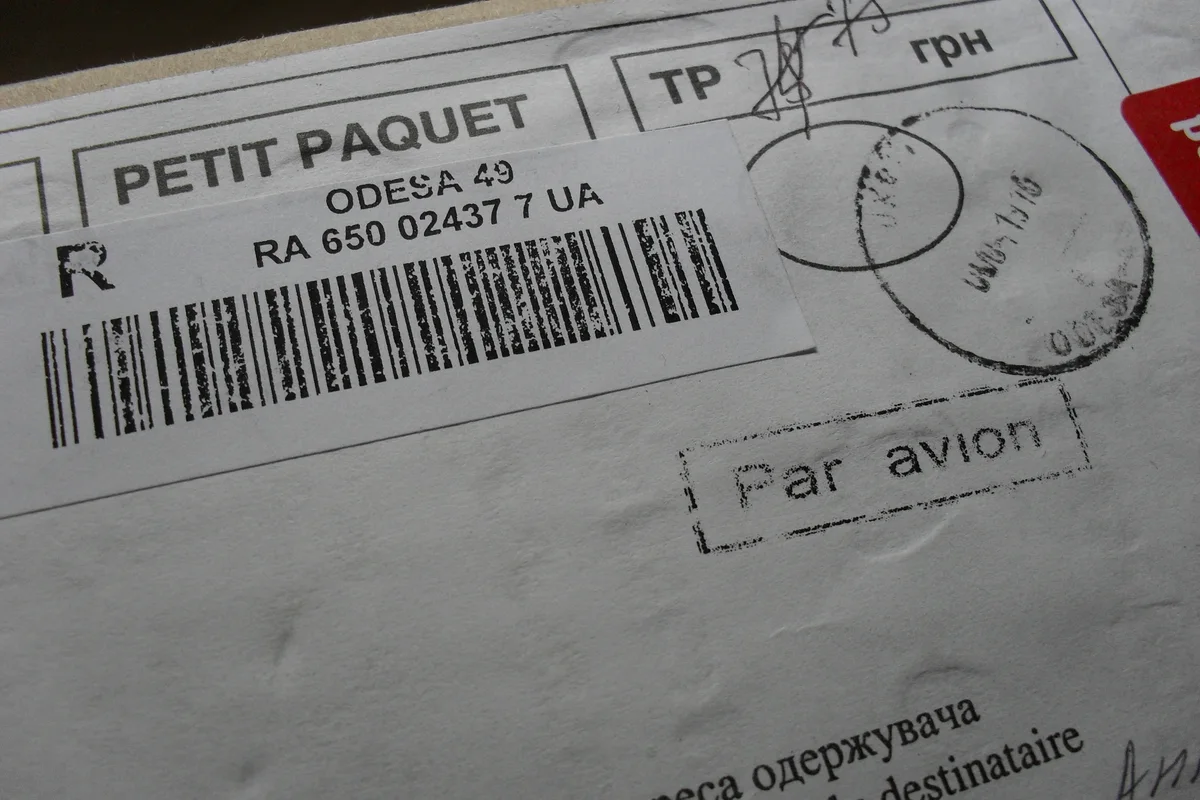
Before you leave the branch counter, take ten seconds to inspect your printed paper receipt slip. Courier counter receipts are printed on thermal paper, which contains vital transaction data arranged in specific zones.
Here is how to read your official receipt slip correctly:
- The 12-Digit Waybill / Tracking Number: Printed prominently in bold numerals immediately beneath the linear 1D barcode near the top or middle of the slip. For standard domestic retail shipments, this is an exact 12-digit numeric string (e.g.,
1425-8901-2345or178901234567). This is your active tracking key. - Origin and Destination Codes: Three-letter airport or hub acronyms (e.g.,
MNLfor Metro Manila,CEBfor Cebu,DVOfor Davao) indicating the routing corridor. - Declared Value & Item Classification: Lists the item description provided (e.g., "Apparel / Dry Goods") and the insured financial valuation recorded.
- Date and Time Stamp: Exact calendar date and minute your package was processed into the branch register journal.
- Total Charges & Official Receipt (OR) Number: Detailed breakdown of base freight, valuation surcharges, fuel surcharges, packaging costs, and 12% Value Added Tax (VAT).
Modern LBC receipts often feature a square 2D QR code at the bottom. In most cases, scanning this QR code with a generic smartphone camera opens a promotional link to download the carrier's mobile app. Your actual tracking code is the 12-digit numerical sequence printed under the horizontal linear barcode.
Critical Beginner Mistakes to Avoid and How to Prevent Them
First-time shippers frequently encounter avoidable delays due to minor procedural oversights. Familiarizing yourself with these five common missteps ensures a seamless shipping journey:
- Overstuffing Poly Mailer Pouches: Novice senders often try to squeeze thick shoeboxes or bulky winter jackets into an N-Pack Small or Medium to save on box tariffs. If the plastic pouch is stretched taut, the heat-welded side seams can burst under mechanical pressure during sorting conveyor transfers. If your item bulges excessively, upgrade to a Kilobox.
- Using Vague or Incomplete Barangay Names: Writing only a subdivision name without specifying the official registered barangay is a primary cause of dispatch misrouting. Subdivisions often span multiple barangay borders. Always specify the official barangay name recognized by local government registries.
- Providing a Landline Number Instead of a Mobile Number: LBC delivery riders operate in the field using handheld mobile dispatch terminals. Riders communicate via SMS text alerts and cellular voice calls when attempting doorstep delivery. Providing a landline number prevents riders from sending automated proximity text notifications.
- Failing to Photograph the Paper Receipt: Thermal paper receipts are sensitive to environmental heat and friction. If stored in a warm pocket or vehicle glove compartment, the printed ink can fade to pure white within 48 hours. Take a clear smartphone photograph of your receipt slip immediately after receiving it at the counter.
- Attempting to Ship Undeclared Flammables or Batteries: Shipping commercial perfumes (which contain high alcohol concentrations), flammable aerosols, nail polish, or loose lithium-ion power banks without specialized dangerous goods declaration is strictly prohibited and leads to immediate cargo confiscation at airport screening checkpoints.
What to Do If Encountering Delays or Counter Service Exceptions
Even with meticulous preparation, occasional operational exceptions can arise during shipping. Here is how to navigate common counter and transit anomalies:
Branch System Offline / Terminal Downtime: If a branch experiences internet connectivity failure or system maintenance, associates cannot encode electronic waybills in real time. In minor outages, branches may accept drop-offs using manual carbon-copy receipt slips. However, manual slips take 12 to 24 hours to sync to the online tracking database. If your shipment is highly urgent, ask the associate if another nearby LBC branch within the immediate commercial district is currently online.
Remote Area (Out-of-Delivery-Area / ODA) Surcharges: If your recipient lives on an isolated island, high-elevation mountain barangay, or conflict-affected rural municipality, the destination may be classified as an Out-of-Delivery Area (ODA). In ODA zones, regular door-to-door courier vans do not operate daily. Delivery may take an additional 3 to 7 business days or require an ODA delivery surcharge. Senders can avoid ODA delays by selecting Branch Pick-Up (COP / Branch Collect), allowing the recipient to claim the package directly from the nearest town-center LBC branch.
Correcting an Erroneous Address After Dispatch: If you realize you provided an incorrect street number or recipient phone digit after leaving the branch, return to the originating branch counter immediately with your printed receipt slip and government photo ID. Branch staff can send an urgent route correction advisory to the central distribution exchange before the parcel is loaded onto the outbound regional linehaul transport.