Statutory Framework: Why Couriers Enforce Prohibited Items Lists
When customers enter a courier branch intending to tender a parcel, they often view packaging rules and item exclusions as arbitrary carrier bureaucracy. In reality, courier prohibited goods policies are strictly mandated by domestic criminal statutes, public safety legislation, maritime codes, and international civil aviation treaties. In the Philippines, commercial logistics carriers operate under the direct regulatory oversight of the Civil Aviation Authority of the Philippines (CAAP), the Maritime Industry Authority (MARINA), the Department of Transportation (DOTr), and the Philippine National Police Firearms and Explosives Office (PNP-FEO).
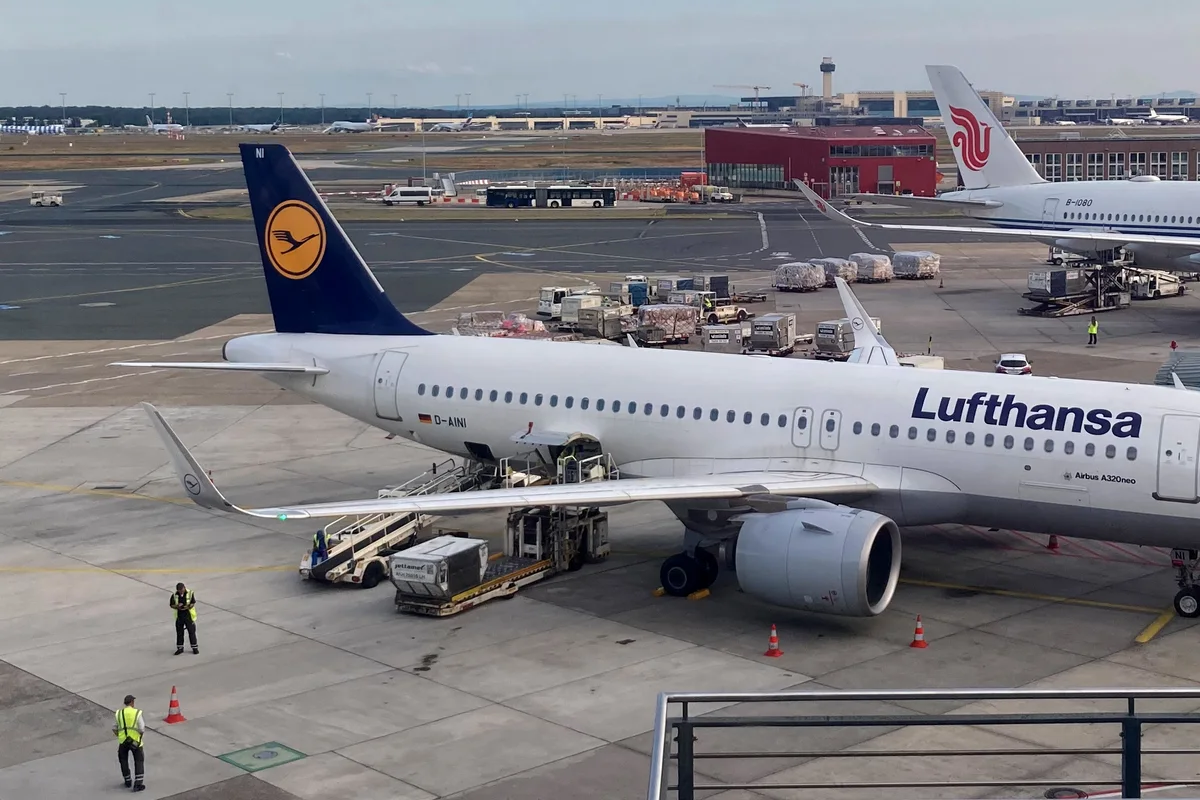
Commercial couriers utilize commercial passenger and cargo aircraft belly-hold space to transport express parcels between island regions like Luzon, the Visayas, and Mindanao. In an unpressurized or semi-pressurized aircraft cargo hold at 30,000 feet, chemical compounds and everyday household items behave drastically differently than they do on the ground. Modest changes in atmospheric barometric pressure and ambient temperature can cause sealed aerosol cans to rupture, volatile solvent vapors to ignite, or defective lithium-ion battery cells to enter runaway thermal ignition. A single cargo fire aboard an aircraft over the Sibuyan Sea represents a catastrophic life-safety hazard.
Beyond aviation safety, statutory legislation such as Republic Act No. 6969 (Toxic Substances and Hazardous and Nuclear Wastes Control Act of 1990) and Republic Act No. 10591 (Comprehensive Firearms and Ammunition Regulation Act) impose severe criminal penalties on shippers who tender hazardous waste, toxic industrial compounds, or unlicensed firearms into commercial freight streams. Couriers maintain strict prohibited items lists not merely to protect company infrastructure, but to maintain compliance with non-negotiable statutory mandates.
Under Philippine civil jurisprudence and the Terms and Conditions of Carriage, the consignor (sender) warrants that their consignment contains no illegal, hazardous, or prohibited goods. If undisclosed hazardous items cause property destruction, aircraft diversion, or personal injury, the sender faces full civil liability for commercial damages and criminal prosecution under RA 6969.
The Nine Universal Dangerous Goods Hazard Classes in Everyday Courier Shipping
The International Air Transport Association (IATA) and the International Civil Aviation Organization (ICAO) categorize dangerous goods into nine standardized classes. Most everyday consumers do not consider their retail parcels to contain "dangerous cargo," yet thousands of common household consumer goods fall directly into these technical hazard definitions.
Understanding how routine consumer items map to dangerous goods classes clarifies why branch tellers refuse seemingly harmless boxes:
- Class 1: Explosives. Includes consumer fireworks, firecrackers, road emergency flares, toy gun caps, blasting agents, black powder, and live ammunition. These items are barred across all domestic services without exception.
- Class 2: Gasses (Compressed, Liquefied, or Dissolved). Includes pressurized butane canisters for portable camping stoves, aerosol hairsprays, spray paint cans, compressed air dusters, fire extinguishers, and propane tanks. Pressure differentials during air transit create immediate burst and vapor explosion risks.
- Class 3: Flammable Liquids. Includes gasoline, diesel, kerosene, acetone nail polish removers, oil-based wood varnishes, industrial paint thinners, lighter fluid, and high-proof alcohol perfumes. Solvents with low flashpoints readily vaporize into explosive gaseous mixtures.
- Class 4: Flammable Solids & Spontaneous Combustibles. Includes safety strike-anywhere matches, sulfur powders, activated carbon blocks, calcium carbide, and magnesium metal ribbons that ignite through friction or ambient moisture absorption.
- Class 5: Oxidizers & Organic Peroxides. Includes swimming pool chlorine tablets, industrial bleach, high-concentration hydrogen peroxide hair bleaches, and ammonium nitrate fertilizers that release oxygen rapidly to accelerate combustion.
- Class 6: Toxic & Infectious Substances. Includes chemical agricultural pesticides, rat poison, rodenticides, cyanide compounds, medical clinical waste, and viral specimens.
- Class 7: Radioactive Materials. Includes medical radiotherapy isotopes, industrial radiography cameras, and specialized density gauges.
- Class 8: Corrosives. Includes sulfuric acid automotive wet-cell batteries, drain declogging lye, muriatic acid, and concentrated mercury metal.
- Class 9: Miscellaneous Dangerous Goods. Includes loose lithium-ion battery packs, power banks, magnetized materials that deflect aircraft navigational compasses, and dry ice (carbon dioxide solid).
Comprehensive Inventory of Prohibited Goods Across Domestic Carrier Networks
To prevent costly drop-off delays and security interventions, consult this comprehensive inventory of prohibited items before bringing any parcel to an intake branch. The table below outlines major prohibited categories, specific examples, and the underlying operational or regulatory rationale.
| Category | Specific Prohibited Articles | Regulatory & Operational Rationale |
|---|---|---|
| Explosives & Pyrotechnics | Fireworks, firecrackers, sparklers, flares, blasting caps, gunpowder, black powder | Severe explosion and life-safety hazard; prohibited under RA 7183 and IATA DGR Class 1 |
| Firearms & Tactical Weapons | Handguns, rifles, gun parts, live bullets, airsoft replicas, blank pistols, stun guns | Mandatory police licensing; illegal to transport without PNP-FEO transport permit (RA 10591) |
| Flammable Solvents & Fuel | Gasoline, lighter fluid, paint thinner, turpentine, automotive oils, alcohol fuels | Low flashpoint flammability aboard transport vehicles and maritime cargo holds |
| Pressurized Aerosols & Gasses | Spray paints, aerosol hairsprays, butane canisters, scuba tanks, compressed air | Aviation depressurization burst hazard; prohibited on commercial passenger belly freight |
| Lithium Batteries & Power Banks | Loose external power banks, uninstalled camera batteries, damaged swollen battery cells | Thermal runaway combustion hazard; strictly banned by ICAO/CAAP for air courier pouches |
| Cash, Bullion & Negotiable Assets | Philippine peso bills, foreign banknotes, gold bullion, silver coins, blank bank checks | Carrier liability limitation under contract of carriage; senders must use Instant Remit |
| Illegal Drugs & Narcotics | Cannabis/marijuana, shabu (methamphetamine), unregulated opioids, drug paraphernalia | Criminal contraband; mandatory immediate carrier reporting to PDEA and PNP under RA 9165 |
| Unpreserved Perishables | Raw fresh pork, raw poultry, wet fish, unpasteurized dairy, melting seafood | Biological decomposition, bacterial leakage, cross-contamination, and sanitary code breaches |
| Porous Corrosives & Toxins | Lead-acid car batteries, muriatic acid, liquid drain openers, pesticide sprays | Corrosive damage to aircraft skin, delivery vehicles, and adjacent consignor parcels |
Lithium Batteries and Consumer Electronics: The Fine Line in Air Cargo
Among all prohibited goods, consumer electronics and lithium-ion battery configurations cause the highest volume of counter confusion and security rejections across Philippine courier counters. Modern smartphones, laptops, cordless power tools, digital cameras, and handheld gaming consoles rely on high-energy-density rechargeable lithium-ion battery chemistries.
The critical regulatory distinction enforced by CAAP and IATA Dangerous Goods Section II relates to whether the battery is installed inside the host equipment or tendered as an external, standalone power source.
Built-In Equipment Batteries (Accepted with Conditions): A smartphone, tablet, or laptop where the factory rechargeable battery is securely housed inside the device chassis is generally accepted for domestic transport, provided the device is powered completely off, cannot accidentally activate during transit, and meets individual watt-hour thresholds (typically under 100 watt-hours for consumer electronics).
Loose Batteries and Power Banks (Strictly Prohibited on Air Express): External mobile power banks (such as portable 10,000mAh or 20,000mAh charging bricks), loose replacement camera batteries, standalone rechargeable 18650 cylindrical cells, and uninstalled electric scooter battery packs are strictly prohibited from all domestic air courier services. Because external battery terminals can short-circuit when vibrating against metal objects or experiencing transit friction, international aviation authorities completely forbid them in passenger aircraft cargo compartments.
If you must transport equipment with rechargeable battery components to Visayas or Mindanao, disclose the battery specifications honestly to the branch teller. Non-air cargo consignments (such as LBC Sea Cargo and Roll-on/Roll-off inter-island freight) can accommodate certain approved battery configurations that air express cannot touch.
To determine whether an electronic device qualifies for transport, inspect the regulatory certification printed on the battery casing or device baseplate. Watt-hours are calculated by multiplying nominal voltage (V) by capacity in ampere-hours (Ah). Consumer devices under 100 Wh (such as standard smartphones and ultrabooks) travel under standard packing declarations, while equipment exceeding 100 Wh requires special cargo manifests.
Cash Currency, Precious Metals, and Negotiable Instruments
A frequent error made by senders attempting to assist provincial relatives is placing cash banknotes, paper bills, or gold jewelry inside an envelope or corrugated box. Some senders conceal cash between document folders or wrap bills in carbon paper, hoping the courier will simply deliver the envelope without question.
This practice is strictly prohibited across all courier express services. Couriers are freight forwarders, not licensed armored cash couriers. Standard bill of lading terms state that the carrier assumes zero liability for paper currency, negotiable bonds, stock certificates, bearer vouchers, or unregistered precious bullion coins placed inside regular transit bags.
Sending cash inside courier envelopes creates grave operational risks: it encourages employee theft, violates anti-money laundering reporting protocols, and leaves the sender with zero financial recourse if the parcel is lost or damaged. The standard declared value insurance policy on courier parcels expressly excludes physical cash and negotiable paper assets.
If you need to transfer funds to family or business partners anywhere in the Philippines, use dedicated electronic money remittance services such as LBC Instant Remit or modern bank transfer channels. Funds sent through licensed remittance corridors are electronically verified, insured, and instantly claimable at any branch counter across the archipelago without shipping delays.
Firearms, Tactical Accessories, and Toy Replicas
Under Republic Act No. 10591, commercial package delivery services are legally prohibited from transporting firearms, firearm frames, barrels, magazines, live ammunition, reloading powders, and tactical accessories unless accompanied by explicit written transit clearances issued directly by the Philippine National Police Firearms and Explosives Office (PNP-FEO).
Crucially, this prohibition extends to airsoft guns, paintball markers, blank-firing prop guns, and realistic toy firearm replicas. In an airport security X-ray scanner or physical hub inspection, an airsoft gun produces an opaque silhouette virtually indistinguishable from an authentic firearm. Security screeners cannot disassemble parcels on the conveyor belt to determine barrel specifications; any parcel displaying a firearm profile triggers an immediate operational lockdown, cargo terminal halting, and deployment of PNP aviation security officers.
Never attempt to ship airsoft equipment, vintage non-firing collector pistols, or tactical weapon sights inside standard domestic parcel pouches. Commercial shippers handling sporting weapons must use specialized freight logistics brokers possessing dedicated police escort permits.
Counter Intake Inspections: How Couriers Detect and Reject Prohibited Items

Many customers assume that couriers rely solely on the honor system when accepting parcels. In reality, modern courier networks employ a rigorous multi-tier inspection pipeline designed to intercept prohibited goods before they can ever board an aircraft, ferry, or line-haul truck.
The detection pipeline operates across four distinct operational checkpoints:
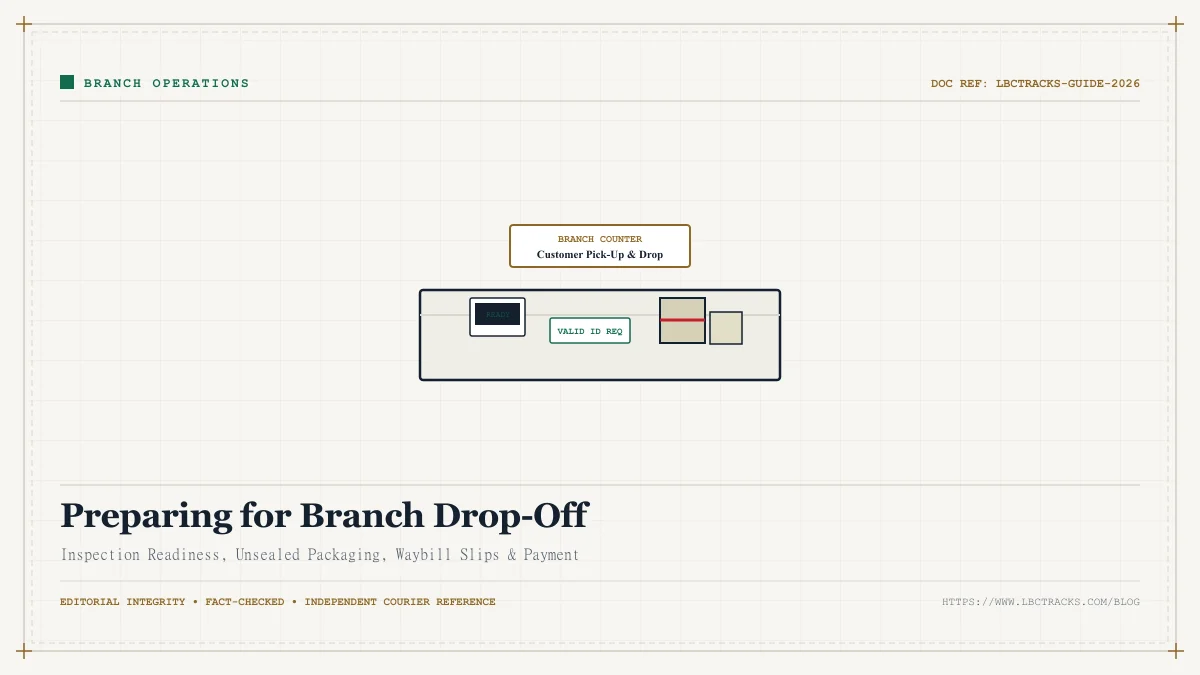
Mandatory Unsealed Branch Inspection
When tendering a package at any retail branch, tellers require all cartons and boxes to remain unsealed. The teller conducts a physical visual inspection of the interior contents, checking for prohibited chemicals, loose batteries, and unsealed liquids before applying tamper-evident security tape.
Itemized Declaration and Waybill Encoding
The sender must verbally declare the exact contents and declared valuation of the consignment. The teller enters these details into the point-of-sale terminal, generating an official electronic manifest tied directly to the 12-digit waybill tracking barcode.
Regional Hub Optical and Security X-Ray Screening
Consolidated parcel cages transferred from local branches to central airport sorting gateways pass through industrial multi-energy X-ray scanning tunnels. Organic material density analysis automatically highlights concealed liquids, dense metals, and battery cells.
K-9 Narcotics and Explosives Sniffer Units
Certified canine detection teams from the Philippine Drug Enforcement Agency (PDEA) and PNP Aviation Security regularly patrol courier sorting terminals, screening outbound parcel bags for illicit narcotics, gunpowders, and biological contraband.
Consequences of Concealing Prohibited Items: Seizures and Liabilities
Attempting to conceal prohibited items—such as hiding perfume bottles inside thick winter coats, burying a power bank beneath books, or mislabeling electronic components as "dry clothing"—carries severe operational and legal ramifications.
When security screeners intercept an undeclared prohibited item at a distribution exchange or airport cargo hub:
- Immediate Transit Freezing: The tracking status updates to an exception notice such as "Held by Security", "Held at Hub", or "Shipment Restricted". The parcel is permanently pulled from the delivery manifest.
- Irrevocable Confiscation: Hazardous materials, pressurized aerosols, and loose batteries confiscated by airport aviation authorities are destroyed or turned over to government disposal contractors. Couriers provide zero financial compensation or freight refunds for seized prohibited cargo.
- Law Enforcement Referral: If the prohibited item involves unlicensed firearms, ammunition, military ordnance, or illegal narcotics, courier legal officers immediately surrender the package, sender identification records, and drop-off branch CCTV surveillance footage to the PNP or PDEA. The consignor is subject to formal criminal arrest and prosecution under the Comprehensive Dangerous Drugs Act or Firearms Regulation Act.
- Account Blacklisting: Commercial online sellers and corporate account holders caught repeatedly violating dangerous goods regulations face immediate account termination, forfeiture of security deposits, and permanent revocation of Cash on Delivery (COD) collection privileges.
Safe Alternatives: How to Ship Legitimate Borderline Items Legally
If your item is restricted or banned from standard air courier express, you often have legitimate legal alternatives that allow safe transport without breaking carrier rules:
- Opt for Maritime Sea Cargo for Heavier Liquids and Cosmetics: Non-hazardous consumer liquids like body lotions, shampoos, and water-based cosmetics that cannot fly on commercial air express can travel via Roll-on/Roll-off (RORO) or sea cargo container routes between island provinces.
- Keep Batteries Installed Within Host Equipment: Instead of packing spare batteries separately, install the battery inside the device and tape the power button to eliminate accidental switching.
- Utilize Licensed Bank Wires or Electronic Remittances: Instead of mailing paper banknotes, use instant branch-to-branch cash pickup or digital bank transfers that protect your capital with full commercial insurance.
- Consult Branch Supervisors for Special Handling Declarations: When shipping specialized trade tools, medical diagnostic instruments, or biological laboratory reagents, consult with the branch manager beforehand to verify whether a conditional manifest or government permit can authorize transport.