The Customer Dilemma: Watching Your Parcel "Move Backwards"
It is a familiar scenario for online shoppers and personal senders across the Philippines: you drop off a package in Laguna destined for Cavite—two provinces located immediately adjacent to each other south of Manila. When you log into the tracking portal the next morning, expecting the status to read "Out for Delivery," you are astonished to discover that your parcel traveled north to a mega-sorting exchange in Pasig or Taguig, seemingly moving twenty kilometers further away from its destination.
Similarly, customers shipping items from Bacolod to Iloilo across the Guimaras Strait sometimes notice tracking updates registering scans in Cebu Central Exchange before finally returning to Western Visayas. This apparent zigzag trajectory frequently triggers confusion, frustration, and accusations that courier dispatchers are incompetent or that the package is hopelessly lost in a bureaucratic loop.
In modern industrial logistics, however, what appears to the untrained eye as an erratic detour is actually mathematical efficiency in motion. LBC Express, like every major global logistics carrier (including FedEx, UPS, and DHL), operates on a sophisticated structural architecture known as the hub-and-spoke distribution model. Understanding how this network operates demystifies your tracking history and explains why moving through multiple hubs is the fastest, safest, and most affordable way to transport freight across an archipelago of over 7,000 islands.
In transportation science, connecting 1,500 individual retail branches point-to-point would require 1,124,250 direct daily courier routes—an operational impossibility. By routing parcels through centralized sorting exchanges, the network reduces the required links to fewer than 3,000 consolidated trunk lines, dramatically accelerating overall throughput.
The Engineering Logic: Hub-and-Spoke vs. Point-to-Point Logistics
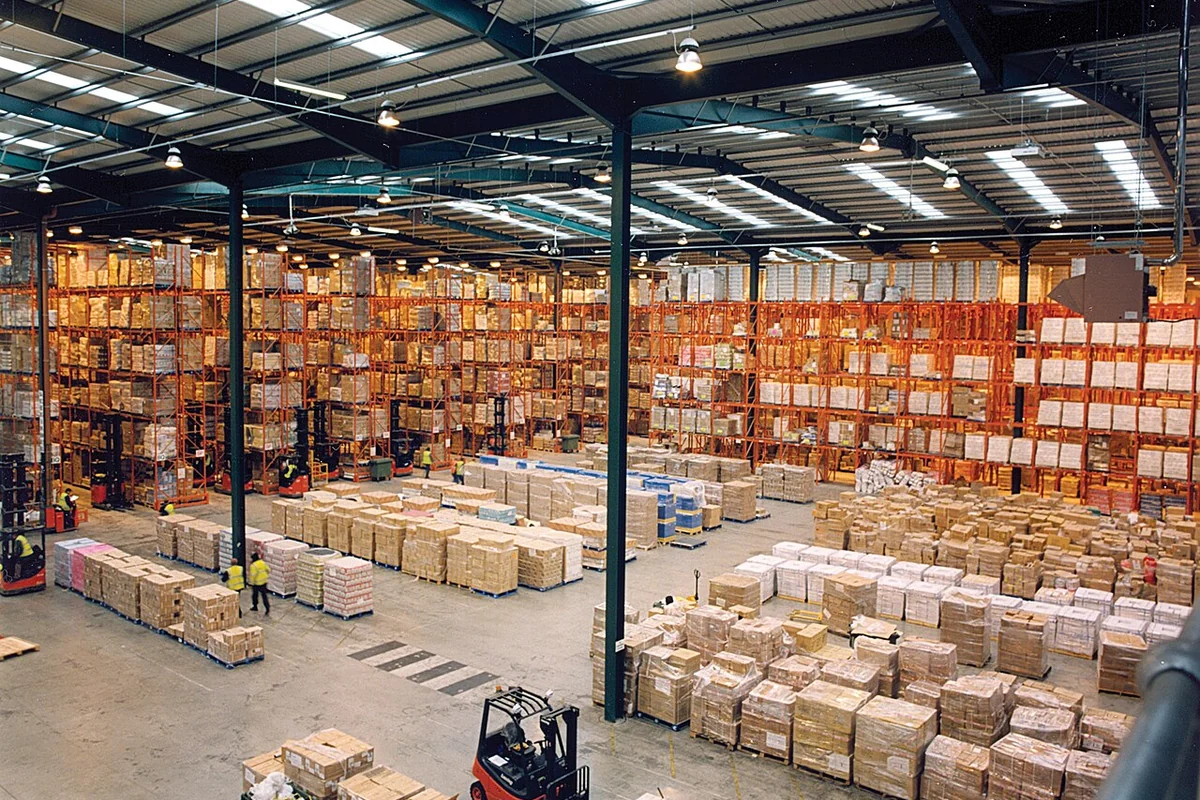
By consolidating millions of packages into centralized hubs each evening, LBC can fill massive 40-foot articulated trucks, charter dedicated inter-island maritime container barges, and book commercial wide-body aircraft cargo space. This massive economies of scale is what allows a customer to ship a half-kilogram parcel from Batanes to Tawi-Tawi for less than two hundred pesos.
- The "Spokes" (Retail Branches and Delivery Stations): Over 1,500 LBC retail branches and local delivery stations serve as the perimeter endpoints. Their sole job is collection and distribution—receiving parcels from local customers, and deploying riders for last-mile delivery within their specific municipal boundaries.
- The "Hubs" (Consolidation Gateways and Sorting Exchanges): Centrally located mega-facilities (such as the Central Exchange in Pasig City, Subic Gateway, Cebu Central Sorting Center, and Davao Logistics Hub) act as the axle of the wheel. All freight collected along the spokes flows inward to the hub, where multi-million-peso automated optical sorters process tens of thousands of packages per hour, organizing them into high-density outbound containers.
| Operational Dimension | Point-to-Point Direct Routing | Hub-and-Spoke Consolidated Network |
|---|---|---|
| Transport Efficiency | Low (hundreds of half-empty vans traveling parallel routes) | Extremely High (fully loaded high-capacity freight containers) |
| Retail Shipping Tariffs | Extremely Expensive (prohibitive fuel and labor per parcel) | Affordable (subsidized across massive freight volume) |
| Sorting Automation | Manual counter sorting; high human error rate | High-speed optical laser barcode and dimensioning scanners |
| Environmental Impact | Massive carbon footprint and urban traffic congestion | Consolidated transport corridors; optimized fleet utilization |
| Tracking Visibility | Opaque (no intermediate scans between origin and destination) | Transparent (timestamped scans at every facility touchpoint) |
The Five Sequential Stages of an LBC Parcel's Hub Transit Journey
Every package passing through LBC's domestic network follows a standardized, highly choreographed five-stage trajectory from counter drop-off to doorstep delivery:
Stage 1: Branch Intake & Micro-Consolidation
You tender your package at a local branch. At daily cut-off time (typically 2:00 PM to 4:00 PM), counter staff pack all pouches and boxes into secure, heavy-duty nylon courier sacks known as "consolidated route bags." Each bag receives a unique master barcode tag linking all internal waybills.
Stage 2: Feeder Transfer to Regional Consolidation Center
A local feeder shuttle van collects the consolidated sacks from 10 to 20 neighborhood branches across the municipality and transports them to the provincial mother hub. Here, smaller bags are palletized for line-haul movement.
Stage 3: Mega-Hub Processing at the Central Sorting Exchange
Freight arrives at a central exchange (such as Pasig for Greater Luzon). Master sacks are unsealed, and individual parcels are placed onto automated high-speed conveyor belts. Overhead camera scanners read 1D and 2D waybill barcodes in milliseconds, automatically diverting each parcel down specific chutes dedicated to outbound destination regions.
Stage 4: Inter-Island Line-Haul Trunk Transit
Sorted parcels are repacked into heavy containers and dispatched onto primary transport arteries: passenger aircraft cargo holds (Civil Aviation Authority approved routes), maritime RORO freight vessels across the Visayan Sea, or overnight expressway tractor-trailers.
Stage 5: Inward De-Consolidation at Destination Delivery Hub
The trunk transport reaches the destination provincial gateway. The container is broken down, and parcels undergo final sorting into specific neighborhood route bins before being loaded onto last-mile delivery vans and motorcycle messenger racks.
How Automated Hub Technology Processes Your Parcel
Inside a modern mega-hub, human handling is minimized to reduce damage and eliminate clerical misrouting. When parcels enter the primary intake conveyor, they pass through three sophisticated technological checkpoints:
1. Dimensioning, In-Motion Weighing, and Scanning (DWS Systems): As packages glide across conveyor scales at speeds exceeding two meters per second, overhead infrared laser arrays calculate the exact volumetric dimensions (Length x Width x Height) while dynamic weigh-cells verify actual physical weight. This ensures weight charges align with the original waybill declaration.
2. Multi-Sided 360-Degree Optical Barcode Tunnels: Parcels rarely travel flat with the shipping label facing upward. High-resolution omnidirectional barcode readers read 12-digit barcodes from any orientation—top, bottom, sides, or tilted angles—decoding destination postal codes in under thirty milliseconds.
3. Automated Shoe Sorters and Cross-Belt Diverters: Based on the scanned barcode, pneumatic pushers or sliding shoe diverters push the parcel off the main high-speed conveyor into the exact staging chute dedicated to its delivery destination (e.g., "Chute 14: Davao City Express").
Decoding Intermediate Tracking Scans: What Each Update Means
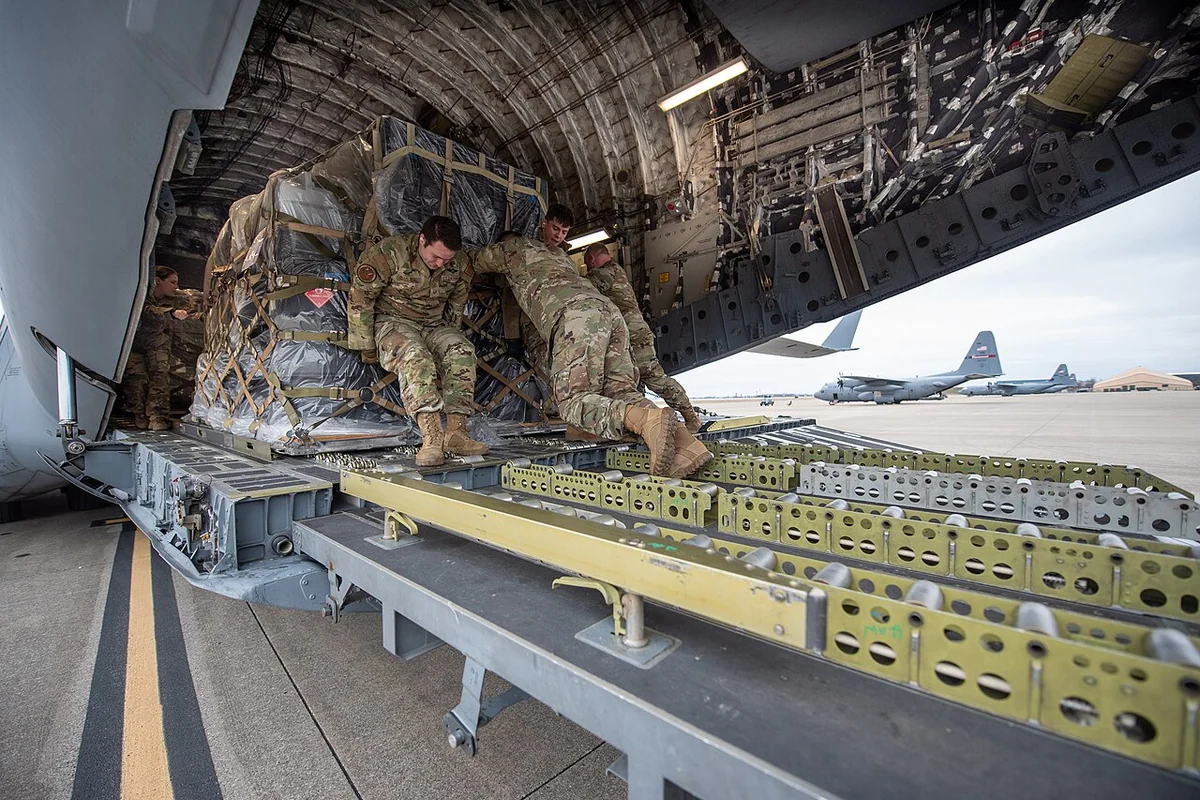
As your package moves through the hub-and-spoke pipeline, every facility handover generates an automated status scan in the central database. Understanding the terminology prevents unnecessary tracking panic:
- "Accepted at Branch / Drop-Off": The counter clerk accepted your box, verified packaging, printed the waybill routing barcode, and placed the item into the branch staging cage.
- "Forwarded to Consolidation Gateway": The evening feeder van collected your package from the retail branch and is physically transporting it along the road toward the primary provincial exchange.
- "Received at Central Sorting Facility / Exchange": Your parcel arrived at the regional mega-hub. The master barcode was scanned at the inward dock doors, confirming safe arrival inside the sorting warehouse.
- "Sorted to Destination Manifest": High-speed optical sorters scanned your waybill and successfully routed the parcel into the outbound freight container designated for your delivery province.
- "Departed Facility / In Transit to Delivery Hub": The long-haul truck, cargo plane, or RORO sea vessel carrying your container departed the sorting exchange and is traveling across inter-provincial corridors.
- "Received at Local Delivery Hub / Branch": The parcel reached the local distribution center responsible for your specific street address. Sorters are allocating the box to a specific rider route.
- "Assigned to Courier / Out for Delivery": The parcel was physically loaded onto a motorcycle saddlebag or delivery van, and the rider is actively circulating within your neighborhood.
Common Geographic Detours Explained: Real-World Case Studies
To illustrate why apparent geographic detours represent optimal routing, examine three real-world Philippine logistics routes that frequently puzzle shippers:
Case A: Pampanga to Tarlac via North Luzon Gateway
Pampanga and Tarlac share a geographic border along the Subic-Clark-Tarlac Expressway (SCTEX). However, a package sent from Angeles City to Tarlac City often logs a scan at the Central North Luzon Exchange in San Fernando. Why? Because the San Fernando facility houses the automated optical dimensioning and sorting machinery required to manifest parcels onto specific provincial delivery van runs. Direct Angeles-to-Tarlac point-to-point dispatch would require operating a fragmented fleet of hundreds of sub-capacity vans.
Case B: Cavite to Batangas via Metro Manila Central Exchange
Shipments moving between southern Tagalog provinces frequently pass through the Pasig Mega Exchange. While this appears to be a northern detour, the expressway network and central automated container staging allow thousands of packages from Cavite, Laguna, Batangas, and Rizal to be cross-docked within a single 4-hour night shift, ensuring next-morning arrival at destination delivery hubs.
Case C: Visayas to Mindanao via Cebu Air & Maritime Gateway
If you ship an item from Bohol to Cagayan de Oro, tracking almost invariably shows a transit scan at Cebu Central Exchange. Cebu serves as the premier maritime and aviation transshipment hub for the central and southern Philippines. Scheduled commercial cargo vessels and regional flights connect through Mactan-Cebu International Airport (MCIA) and the Port of Cebu, making it the fastest conduit for inter-island cargo transfers.
When Multiple Hubs Signal a Genuine Problem: Misroutes & Sorting Loops
While ninety-nine percent of hub scans represent normal network movement, sorting errors do occasionally occur. With millions of packages passing through conveyor belts each week, human sorting errors and damaged barcode labels can misdirect a parcel.
Here is how to recognize a genuine sorting exception versus normal transit:
1. The "Ping-Pong" Sorting Loop: If your tracking shows a parcel bouncing back and forth between the same two facilities (e.g., "Received at Pasig Exchange" followed by "Forwarded to Bulacan Hub," then "Received at Pasig Exchange" again 24 hours later), the parcel is stuck in a barcode sorting loop. This typically happens when an old, recycled cardboard box has a second, un-scratched barcode label from a previous shipment, confusing the optical scanner.
2. Stagnation Past 48 Hours at an Intermediate Exchange: In normal operations, a package should not remain stationary inside a sorting exchange for more than 24 to 36 hours. If tracking displays "Received at Exchange" with zero subsequent updates for more than two consecutive business days, the master bag may have experienced an inward check-in scan without being de-consolidated, or the shipping label may have detached from the parcel exterior.
If your shipment remains stuck at an intermediate sorting facility without an onward departure scan for more than 48 hours, immediately phone LBC Customer Care at (02) 8858-5999. Request a "Physical Warehouse Bin Check" at the specific exchange named in your tracking log. Provide the parcel size, box color, and packaging tape description to assist floor personnel.