The Physics of Inter-Island Cargo Transit and Why Fragile Items Break
Shipping breakable merchandise across the Philippines exposes parcels to a demanding physical transit environment. Unlike local same-day on-demand couriers where a dedicated motorcycle rider transports a single box directly from point A to point B in a padded top-box, nationwide commercial couriers like LBC operate sophisticated multi-tier hub-and-spoke logistics networks. A package traveling from Manila to Davao, Cebu, Bacolod, or Iloilo passes through at least two regional distribution exchange centers, multiple automated conveyor sortation systems, cargo aircraft belly holds or roll-on/roll-off (RO-RO) inter-island freight vessels, and rough provincial delivery roads.
Throughout this journey, packages endure three distinct physical stresses:
- Kinetic Shock (Drops and Impacts): During sorting, parcels slide down steep metal transfer chutes and tumble into collection bulk bins, experiencing localized drops of up to 3 to 4 feet. Sudden deceleration transfers kinetic shockwaves through the carton walls directly into un-cushioned objects.
- Continuous Harmonic Vibration: Aboard heavy diesel linehaul trucks traversing provincial highways, unpaved barangay roads, and maritime vessels, packages endure hours of low-frequency engine and road vibrations. Unsecured items vibrate against each other, causing micro-fractures in ceramics, loosened electronic solder joints, or friction-rubbed finishes.
- Static Compression (Stacking Pressure): Inside linehaul shipping containers and aircraft Unit Load Devices (ULDs), boxes are stacked 6 to 8 feet high. Bottom-tier cartons must withstand dozens of kilograms of downward crushing pressure.
- Tropical Humidity and Fiber Softening: Corrugated cardboard is hydroscopic, meaning paper flutes absorb atmospheric moisture during humid tropical weather and maritime sea crossings. Moisture-softened cardboard can lose up to 30% of its original vertical stacking compression strength, making internal void fill support even more vital.
The 5cm (2-Inch) Perimeter Buffer Rule for Shock Absorption
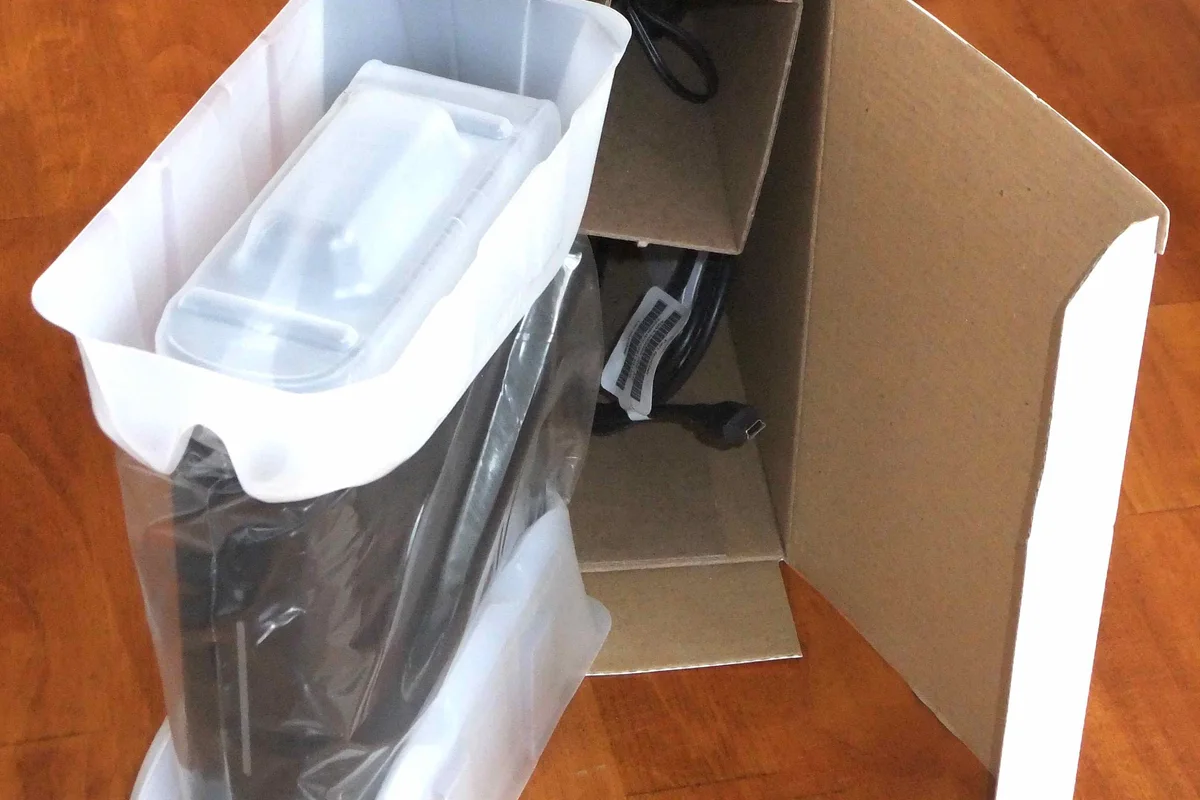
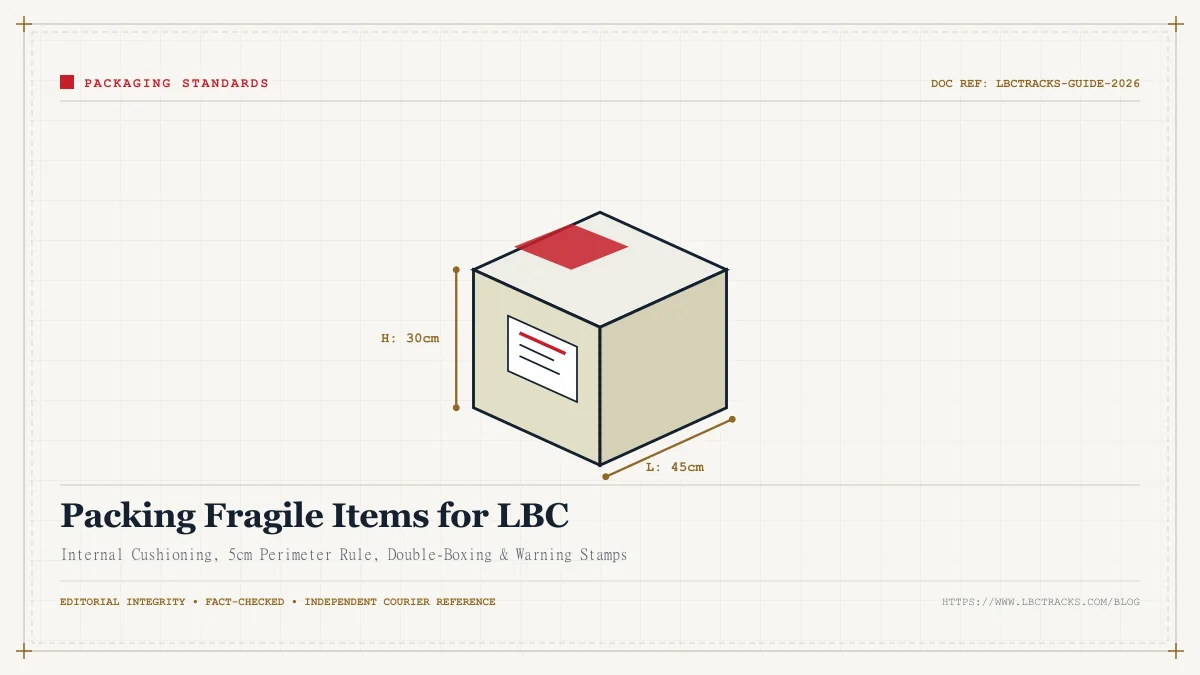
The foundational principle of transit packaging engineering is the 5cm (2-Inch) Perimeter Rule. If a glass bottle, porcelain vase, ceramic plate, or computer graphics card rests directly against the inner cardboard wall of a shipping box, external shockwaves transfer with 100% kinetic force straight into the fragile object.
To prevent catastrophic shock transfer, you must create a continuous suspension cocoon around the item:
- Minimum 5cm Buffer on All Six Sides: Maintain at least 5 centimeters (2 full inches) of dense cushioning material between the exterior surface of your wrapped item and the top, bottom, and four lateral walls of the shipping box.
- No Direct Contact Between Multiple Items: When shipping sets (such as drinking glasses, dinnerware, or electronic components), each individual piece must be wrapped separately. Items touching directly inside a box will shatter each other when vibrating in transit.
- Bottom Foundation Cushioning First: Never place an item into an empty box and stuff paper around the sides. Pour a 5cm layer of dense void fill across the bottom floor of the carton first, center the item on top of this foundation, and then fill all surrounding side and top voids.
Cushioning Material Hierarchy: What to Use and What to Avoid
Not all packaging materials provide equal shock absorption. Using inappropriate household substitutes—such as crumpled newspaper, plastic grocery bags, or kitchen paper towels—is the leading cause of preventable transit damage.
| Packaging Material | Shock Absorption | Vibration Dampening | Compression Resistance | Best Recommended Application |
|---|---|---|---|---|
| Heavy-Duty Bubble Wrap (Large Bubble) | Superior | Excellent | High | Primary wrapping for electronics, glassware, ceramics, framed art |
| Commercial Packing Peanuts (EPS / Starch) | High | Good | Moderate | Void fill surrounding pre-wrapped items in double-box setups |
| Molded Polyethylene / EPE Foam | Maximum | Superior | Very High | Corner edge protectors for monitors, audio speakers, precision tools |
| Dense Crumpled Kraft Paper (Heavyweight) | Good | Moderate | Moderate | Filling large void spaces in cartons containing non-delicate items |
| Shredded Office Paper / Newsprint | Very Poor | Poor | Zero (Flattens) | AVOID: Flattens into dense paper clumps; ink stains surfaces |
| Plastic Grocery / Shopping Bags | Negligible | None | Zero (Punctures) | AVOID: Offers zero impact absorption; deflates under pressure |
| Kitchen Bath Towels / Clothing | Moderate | Poor | Variable | Acceptable for personal relocations; unprofessional for commercial sales |
The Box-in-a-Box (Double-Boxing) Protocol for Delicate and High-Value Goods
For delicate ceramics, vintage glassware, musical instruments, desktop computer towers, and high-value electronics valued above PHP 5,000, professional shippers rely on the Box-in-a-Box (Double-Boxing) Protocol. This method provides dual-stage impact dampening and rigid structural armor.
Wrap the Item in Multi-Layer Bubble Wrap
Wrap the bare object in at least 3 to 4 complete layers of quality bubble wrap. Ensure all corners, handles, and delicate projections are thoroughly padded. Secure the wrapping tightly with clear tape so it forms a snug, immovable cocoon.
Pack and Seal the Primary Inner Carton
Place the cushioned item inside a snug, form-fitting inner corrugated cardboard box. Fill any minor remaining interior space with bubble wrap or packing peanuts so the item cannot move inside. Seal the inner carton securely with packing tape.
Select a Substantially Larger Outer Box
Select a heavy-duty, double-wall corrugated outer shipping carton (such as an LBC Kilobox 1 or Kilobox 2) that is at least 10 cm (4 inches) larger than the inner box in length, width, and height. This dimensional difference guarantees a 5cm perimeter gap on every side.
Build the Base Cushioning Foundation
Spread a dense, uniform 5cm (2-inch) layer of packing peanuts, molded foam, or tightly crumpled heavy kraft paper across the bottom of the outer carton.
Center the Inner Box and Fill All Perimeter Voids
Place the sealed inner box directly in the physical center of the outer box. Pack cushioning material densely into all four lateral side gaps. Then pour an additional 5cm cushioning layer across the top until the material reaches the top rim of the outer box.
Perform the Decisive "Package Shake Test"
Fold the top box flaps down loosely and gently shake the box in your hands. If you feel or hear the inner box shifting, sliding, or thumping, reopen the flaps and pack more cushioning into the perimeter. There should be ZERO audible or physical movement.
Sealing Cartons Like a Pro: The H-Taping Sealing Technique
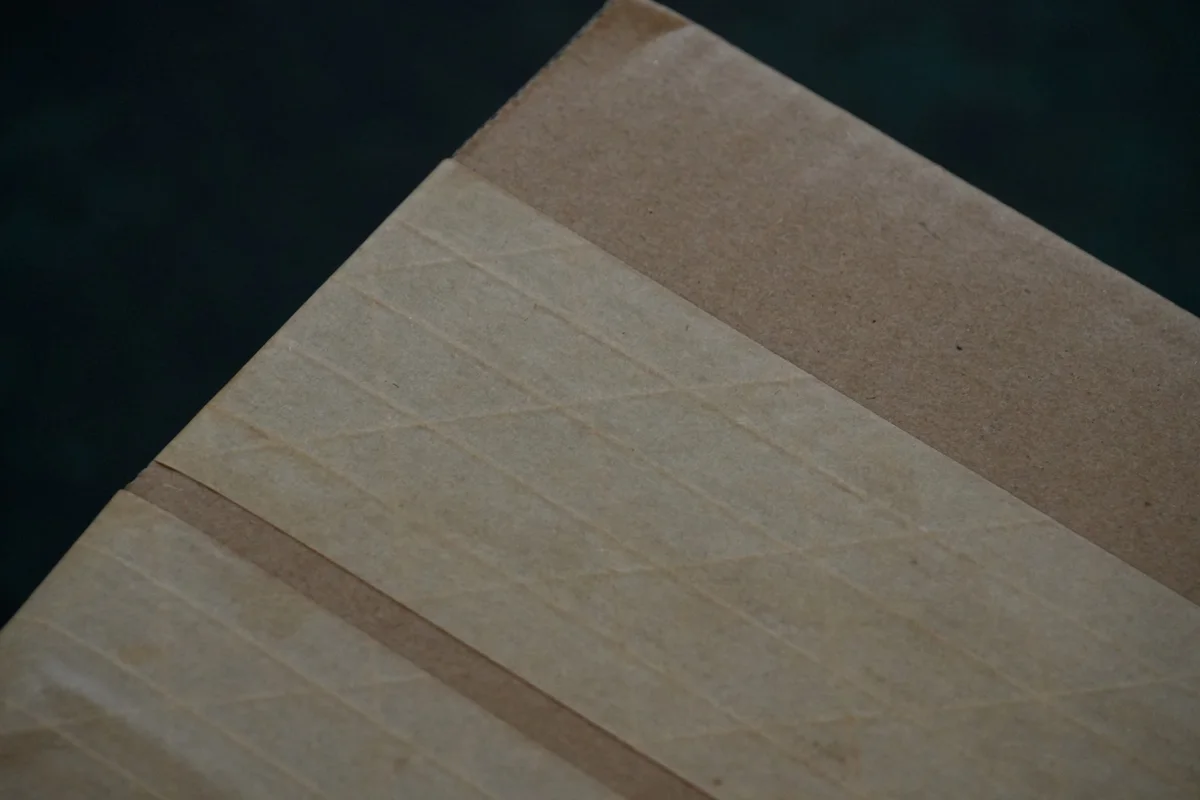
Applying tape improperly can cause an otherwise well-packed box to burst open during freight transit. Standard office cellophane tape, paper masking tape, electrical tape, or household duct tape are completely unsuited for commercial shipping. Under freight vibrations and tropical humidity, low-tack adhesives dry out and peel off corrugated cardboard.
Always use commercial-grade 2-inch or 3-inch wide pressure-sensitive polypropylene packing tape or water-activated fiberglass-reinforced gummed paper tape. Apply tape using the industry-standard H-Taping Method:
- Center Seam Strip: Apply a continuous strip of packing tape along the center seam where the two major box flaps meet, extending at least 3 inches down both vertical side panels.
- Cross-Edge Perimeter Strips: Apply two perpendicular strips of tape along the open exposed edges of the box flaps on both sides, sealing all gaps. When completed, the tape pattern resembles a capital letter "H".
- Repeat on Both Faces: Execute the identical H-tape pattern across both the top and bottom faces of the shipping carton.
Never tie your carton with plastic straw twine (tali), jute rope, or brown paper overwraps. Ropes and loose paper wrappers catch on automated sorting conveyor belt rollers and optical barcode scanners, causing severe jams and carton tearing.
Branch Counter Presentation and Teller Inspection Rules for Breakables
First-time shippers of breakable goods frequently encounter a dilemma: "If LBC tellers must inspect my package, should I seal my double-boxed parcel before going to the branch?"
Here is the approved professional procedure for tendering fragile shipments at an LBC retail branch counter:
- Keep the Outer Carton Unsealed: Seal your primary inner box at home, but leave the top flaps of your outer shipping carton unsealed. When you reach the counter, inform the teller that you are shipping delicate breakable items.
- Demonstrate Inner Cushioning: Show the teller that the items inside the inner box are safely padded with bubble wrap and surrounded by dense void fill. Tellers appreciate well-packed parcels and will confirm that contents comply with carrier policies.
- Teller Security Sealing: Once the visual check is complete, the teller will close the outer flaps and seal the carton securely using official heavy-duty branded courier security tape.
- Declare Accurate Valuation: Never accept the minimum default liability of PHP 500 for fragile valuables. Declare the exact replacement value of your merchandise (e.g., PHP 10,000 for ceramics or electronics) and pay the modest valuation surcharge. Proper declared valuation is mandatory if you ever need to file an insurance claim.
Insurance Claims, Damage Proof, and Settlement Rights
Under the Civil Code of the Philippines (Republic Act No. 386, Articles 1733 to 1754), common carriers are legally presumed liable for loss, destruction, or deterioration of goods unless the damage was caused by force majeure, public enemy acts, or improper packaging by the shipper.
When an insurance claim is filed for a broken shipment, courier claims adjusters conduct a forensic packaging inspection. If the adjuster finds that a ceramic mug was packed with only a single thin sheet of paper, or that glass was resting directly against the outer box wall without a 5cm buffer, the claim will be denied on the grounds of shipper improper packaging.
Protect your legal claim rights by establishing pre-dispatch photographic proof:
Photo 1: The Bare Item Before Packing
Take a clear smartphone photo showing the item in perfect, undamaged condition before wrapping.
Photo 2: The Multi-Layer Bubble Wrap Cocoon
Photograph the item wrapped in its thick protective bubble wrap layers.
Photo 3: The Internal Cushioning and 5cm Buffer
Take a top-down photo showing the wrapped item centered inside the carton surrounded by dense void fill.
Photo 4: The Sealed Carton with Waybill Barcode
Photograph the exterior of the sealed carton showing the H-tape seams and official LBC waybill routing sticker.