The Fundamental Divide: Commercial Air Express vs. Maritime Sea Cargo
Navigating the logistics choices for shipping goods across the Philippine archipelago requires balancing delivery speed against your operational shipping budget. Because the country comprises over 7,000 islands separated by maritime straits and mountain ranges, courier companies maintain two distinct line-haul transport networks: a rapid aviation courier network and a heavy maritime freight network.
At LBC Express, these two modalities are categorized as LBC Express (Air Express) and LBC Cargo (Sea / Surface Freight). Senders who do not understand the mechanical differences between these services often make one of two costly mistakes: paying premium air tariffs for heavy, non-urgent goods that could travel cheaply by sea, or mistakenly booking sea cargo for urgent documents or birthday gifts, only to find the package in transit for two weeks.
To select the optimal service for your specific shipment, you must evaluate how flight manifests, container vessel sailings, pricing matrices, and commodity safety regulations diverge between the two offerings.
Air Express trades cargo space for maximum velocity, flying belly-hold cargo on daily commercial passenger liners. Sea Cargo trades velocity for massive volume capacity, moving intermodal shipping containers aboard commercial cargo vessels and highway line-haul trailers.
Comprehensive Side-by-Side Comparison Matrix
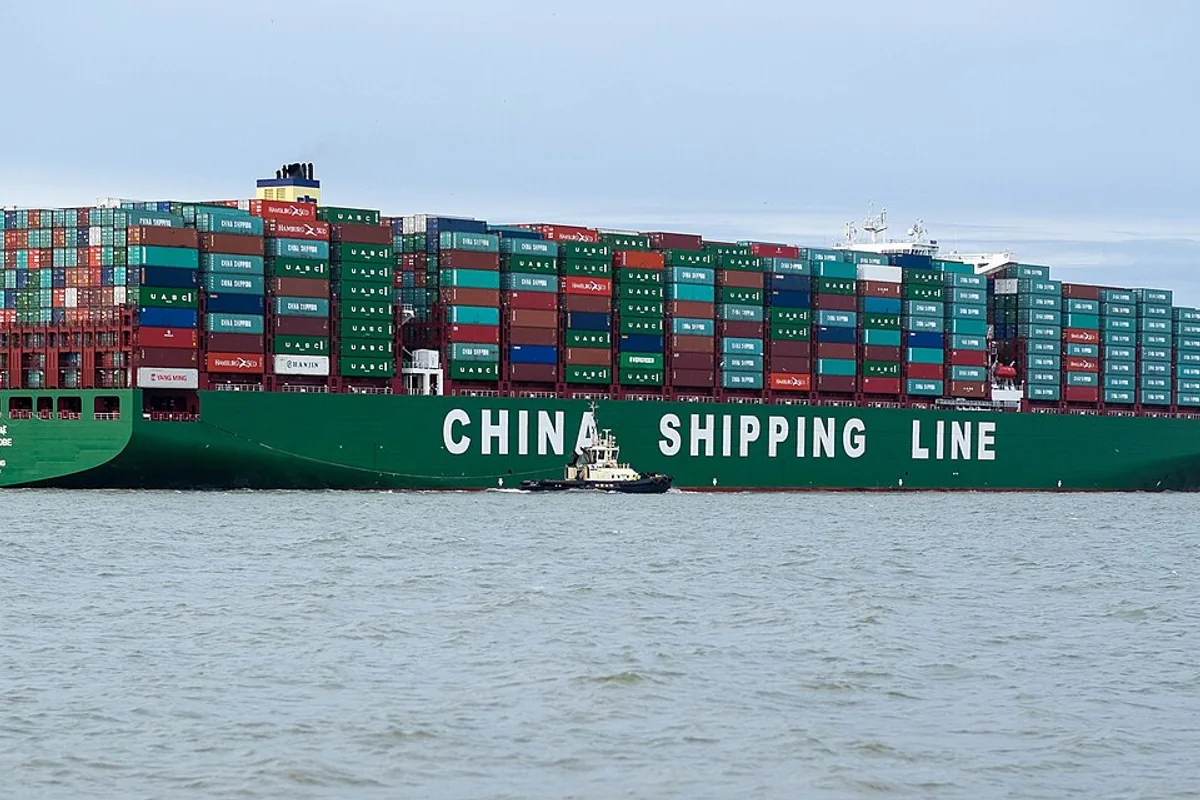
Before booking your shipment at a local branch, review how LBC Air Express and LBC Sea Cargo compare across core operational metrics:
| Logistics Attribute | LBC Express (Air Freight) | LBC Cargo (Sea Freight) |
|---|---|---|
| Primary Transport Vehicle | Commercial Passenger Aircraft & Priority Vans | Marine Container Vessels & Highway Line-Haul Trucks |
| Transit Turnaround (Luzon to VisMin) | 1 to 3 Business Days | 7 to 15 Business Days |
| Pricing Structure | Per-Pouch Flat Rates or High Per-Kg Tiers | Discounted Bulk Weight / Cubic Tier Rates |
| Optimal Weight Sweet Spot | 0.1 kg to 10 kg (Max 30 kg) | 20 kg to 500+ kg (Palletized & Crates) |
| Standard Packaging Formats | N-Pack Pouches & Kiloboxes (Mini to Medium) | Kilobox Large/XL, Balikbayan Crates & Wooden Pallets |
| Liquid & Cosmetics Acceptance | Strictly Banned under CAAP Aviation Directives | Permitted for Non-Hazardous Liquids in Sealed Bottles |
| Tracking Milestone Frequency | Frequent Real-Time Airport & Hub Scans | Milestones Logged at Port Departure, Berth & Stripping |
| Typical Cost Premium | Higher (Prioritizes Velocity) | Substantially Lower (40% - 60% Savings on Heavy Loads) |
Transit Times by Regional Corridor: Air Turnaround vs. Maritime Schedules
How many days will your package actually spend in transit? Transit timelines depend directly on geographic origin and destination, local infrastructure, and sea-lane crossings:
Intra-Luzon Routes (Manila to Northern or Southern Luzon)
For shipments moving within Luzon—such as from Metro Manila to Baguio, Pangasinan, Pampanga, Batangas, or Bicol—Air Express parcels travel via rapid highway courier vans or regional turboprop flights, arriving within 1 to 2 business days. Sea Cargo (often transported via heavy highway line-haul trailers rather than ships) delivers within 3 to 5 business days, making cargo an appealing choice for non-urgent furniture or bulk retail inventory.
Luzon to Visayas and Mindanao (Cross-Island Maritime Corridors)
The speed disparity between Express and Cargo is most pronounced on cross-island routes connecting Luzon to the Visayas (Cebu, Iloilo, Bacolod, Tacloban) and Mindanao (Davao, Cagayan de Oro, General Santos, Zamboanga):
- LBC Express: Consignments are flown directly between airport gateways (e.g., NAIA to Mactan-Cebu or Francisco Bangoy International in Davao), targeting delivery within 2 to 4 business days.
- LBC Sea Cargo: Packages are consolidated into 20-foot or 40-foot intermodal shipping containers at Manila North Harbor or South Harbor. The container vessel sails across the Sibuyan or Bohol Sea, berths at destination container terminals, and undergoes container de-stuffing (stripping) at the regional port exchange. Total transit ranges from 7 to 15 business days.
Pricing Economics: When Does Cargo Become More Cost-Effective Than Express?
As demonstrated by the rate data above, for small packages under 3.0 kilograms, the price difference between Express and Cargo is modest; paying an extra PHP 60 to PHP 90 to receive your package within two days rather than two weeks is generally worthwhile. However, as shipment weight surpasses 10.0 kilograms, the economics reverse dramatically: Sea Cargo delivers forty to sixty percent cost savings, making it the clear choice for commercial stock, relocations, and bulk merchandise.
| Consignment Weight Tier | LBC Air Express Tariff | LBC Sea Cargo Tariff | Estimated Savings with Cargo |
|---|---|---|---|
| 1.0 kg Document / Pouch | PHP 140 - PHP 185 | Not Applicable (Pouch Flat Rate) | None (Express is Preferred) |
| 3.0 kg Small Retail Box | PHP 340 - PHP 435 | PHP 280 - PHP 340 | Marginal Savings (~15% - 20%) |
| 10.0 kg Household Merchandise | PHP 820 - PHP 1,050 | PHP 480 - PHP 620 | Significant Savings (~40%) |
| 25.0 kg Balikbayan / Bulk Carton | PHP 1,850 - PHP 2,400 | PHP 850 - PHP 1,150 | Substantial Savings (~50% - 55%) |
| 50.0 kg Heavy Machinery / Stock | PHP 3,600 - PHP 4,800 | PHP 1,500 - PHP 2,100 | Massive Savings (~55% - 60%) |
Commodity Restrictions: Liquid and Hazardous Material Disparities
One of the most critical operational distinctions between Air Express and Sea Cargo involves the acceptance of consumer liquids, cosmetics, and chemical products:
Why Air Express Bans Liquids, Perfumes and Aerosols
Commercial air couriers are subject to strict Civil Aviation Authority of the Philippines (CAAP) and International Civil Aviation Organization (ICAO) dangerous goods mandates. Rapid cabin pressure and temperature changes at cruising altitudes of 35,000 feet can cause liquid containers to expand, pop seals, and leak corrosive or flammable vapor into aircraft baggage bays.
Consequently, LBC Air Express strictly bans alcohol-based perfumes, colognes, nail polish, hair tonics, aerosol sprays, cooking oils, and chemical lotions from air express pouches.
Sea Cargo Acceptance for Commercial Liquids and Household Goods
Because maritime container vessels operate at sea level without atmospheric depressurization risks, LBC Sea Cargo accommodates non-hazardous commercial liquids, personal cosmetics, body lotions, shampoos, and household cleaning supplies—provided they are packaged in leak-proof, securely sealed inner containers wrapped in plastic barriers and surrounded by absorbent material.
Online sellers specializing in skincare, cosmetics, condiments, and bottled beverages routinely rely on LBC Sea Cargo to fulfill cross-island customer orders that cannot legally fly on commercial air manifests.
Balikbayan Boxes and Heavy Freight Packaging Standards
Because Sea Cargo shipments travel stacked inside 20-foot and 40-foot ocean shipping containers, individual cartons endure immense compressive pressure during maritime rolling and pitching at sea. Ensuring parcel durability requires following proven packaging standards:
- Use Heavy-Duty Double-Wall Corrugated Fiberboard: Standard single-wall grocery store boxes will crush under the weight of container stacks. Utilize official reinforced Balikbayan cartons or commercial 5-ply double-wall boxes.
- Line Cartons with Moisture Barriers: Ocean maritime shipping exposes containers to high ambient humidity and condensation ("container sweat"). Line the interior of your box with a heavy-duty plastic liner or garbage bag before packing merchandise.
- Distribute Weight Evenly: Place heavy canned goods, tools, and dense items at the bottom of the carton; place lighter apparel and paper goods at the top.
- Apply Cross-Taping Reinforcement: Seal all box seams, center flaps, and corner edges using high-tensile 2-inch or 3-inch packaging tape. For heavy cartons exceeding 25 kilograms, apply H-tape patterns across all edges and bind the exterior with plastic shipping straps.
For detailed instructions on customs declarations, packing rules, and international tracking procedures for overseas sea freight, visit our specialized guide on tracking LBC Balikbayan boxes.
Tracking Differences and Maritime Milestone Visibility
Customers accustomed to e-commerce delivery apps often become anxious when tracking an LBC Sea Cargo shipment. While Air Express logs multiple milestone scans each day as packages transit between local branches and airport gates, Sea Cargo displays longer intervals between status updates.
When an ocean container vessel departs the Port of Manila bound for Davao or Cagayan de Oro, the ship spends several consecutive days navigating open sea lanes without docking at intermediate ports. During this voyage, tracking status correctly displays "In Transit via Sea Cargo Vessel" or "Departed Origin Port Exchange".
The next digital scan occurs only when the container vessel arrives at the destination seaport, docks at the container terminal, and port logistics crews de-van (strip) the maritime container to scan individual parcels into the local delivery hub inventory. Senders should not mistake multi-day gaps between port scans for misplaced freight.
Decision Framework: How to Choose Between Cargo and Express
Use this straightforward operational decision checklist to select the right service tier for your shipment:
Assess Your Delivery Urgency and Time Sensitivity
If your recipient must receive the items within 24 to 72 hours—such as legal documents, renewal passports, event outfits, or medical equipment—choose LBC Air Express or RUSH priority. If arrival within one to two weeks is perfectly acceptable, proceed to evaluate package weight.
Weigh Your Consignment and Check Chargeable Volume
If the total package weight is under 5.0 kilograms, the price difference between Express and Cargo is small; Air Express is usually the more practical choice. If the shipment weighs over 15.0 kilograms, Sea Cargo delivers dramatic cost savings.
Check Contents for Prohibited Air Commodities
If your parcel contains liquids, shampoos, lotions, perfumes, or consumer cosmetics, it cannot fly under CAAP aviation regulations. You must choose Sea Cargo to ensure legal, safe transit.
Verify Recipient Location and Delivery Accessibility
Confirm whether the destination address is within standard urban delivery zones or requires Out-of-Delivery Area (ODA) forwarding. For heavy cargo in provincial zones, arranging branch collection via Cash on Pick-Up (COP) often provides the most economical, reliable outcome.