Stalled vs. Lost: Defining When a Package Is Legally Missing in the Philippines
Few events cause more consumer anxiety than checking an online courier tracking dashboard every few hours only to see the same unchanged status day after day: "In Transit," "Received at Exchange Hub," or "Forwarded to Delivery Hub." When expected delivery dates come and go without updates, customers understandably jump to the worst conclusion—assuming their parcel was stolen, dropped off a truck, or permanently lost.
In the operational reality of Philippine logistics, however, a critical distinction exists between a delayed/stalled shipment and a legally lost parcel. The Philippine courier network spans more than 7,000 islands, relying on commercial domestic flights, roll-on/roll-off (RO-RO) sea ferries, and multi-leg provincial line-haul trucking routes. Seasonal monsoon typhoons (PAGASA storm signals), sea travel suspensions by the Philippine Coast Guard, port container congestion, and peak holiday volume routinely cause physical delays of 3 to 5 business days without any loss of parcel integrity.
During inter-island transshipment, cargo moving from Luzon to regional hubs in the Visayas (such as Cebu or Iloilo) or Mindanao (such as Davao or Cagayan de Oro) often travels consolidated inside 20-foot maritime shipping containers or consolidated air freight Unit Load Devices (ULDs). While these containers are in sea transit aboard cargo vessels or staged on airport tarmacs awaiting scheduled departures, individual parcels inside cannot receive mid-journey physical barcode scans. A tracking gap of 48 to 72 hours during maritime crossing is completely normal operating procedure.
LBC operational guidelines classify a package as genuinely suspected of loss only when it meets strict temporal and audit criteria: seven (7) consecutive business days have elapsed past the maximum published turnaround date, with zero electronic scans registered across any transit touchpoint. Once this threshold is crossed, the shipment transitions from normal transit monitoring into active investigatory intervention.
Do not panic if tracking pauses for 48 to 72 hours while a parcel travels between major island groups (e.g., Manila to Davao via sea vessel). However, if no scan appears after 7 full business days past the expected delivery date, you must immediately trigger an official Depot Tracer.
The 4 Root Causes: Why Parcels Disappear from Tracking Scans
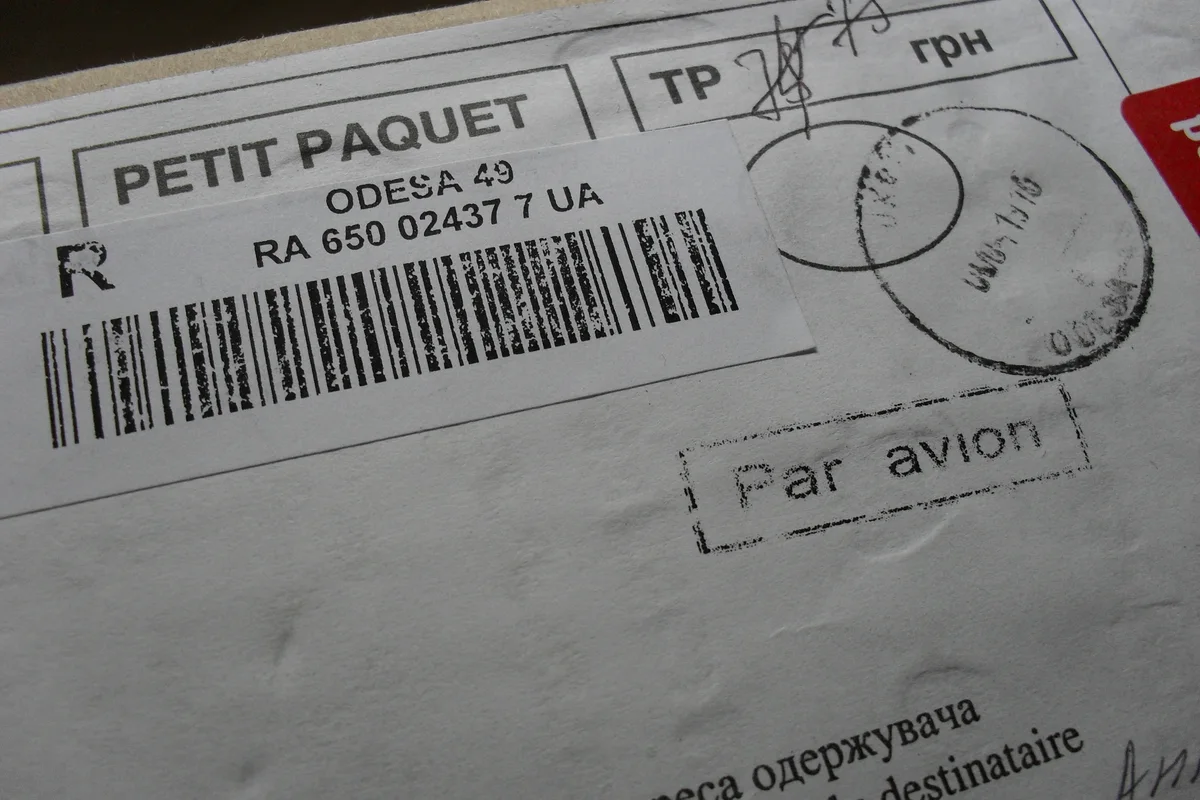
When an LBC parcel disappears from automated scan updates, it rarely vanishes into thin air. In the vast majority of cases, the physical parcel is sitting in a warehouse staging bay or sorting cage, unable to communicate its location because the information link between the physical box and the digital database has been severed.
Understanding the four most common operational root causes helps senders and recipients provide customer care agents with the precise physical metadata needed to find the item:
- 1. Detached Waybill Pouch: The adhesive plastic sleeve containing the paper shipping manifest tears away from the exterior cardboard or pouch during conveyor transit or truck vibration. The parcel becomes an "unidentified overage" (UO) package: intact goods with zero readable destination labels.
- 2. Thermal Barcode Abrasion & Smudging: Friction against other packages or exposure to moisture and friction blurs the linear 1D barcode. Handheld barcode scanners fail to read the code, causing sorting machines to divert the box into a manual audit exception bin.
- 3. Mis-Sorted Line-Haul Cage: A sorting associate at a central distribution hub inadvertently places a package destined for Cebu into an air cargo cage bound for Iloilo or Cagayan de Oro. The package travels to the wrong island and remains inactive until local depot clerks open the cage, discover the mis-route, and manually re-manifest it for return transit.
- 4. Outer Packaging Rupture: A weak cardboard box breaks open under heavy stacking, spilling its contents. The parcel is pulled from the active sorting belt and staged in the repack bay, awaiting supervisory inspection and replacement packaging.
Phase 1: Initiating an Official Depot Tracer at Origin and Destination Hubs
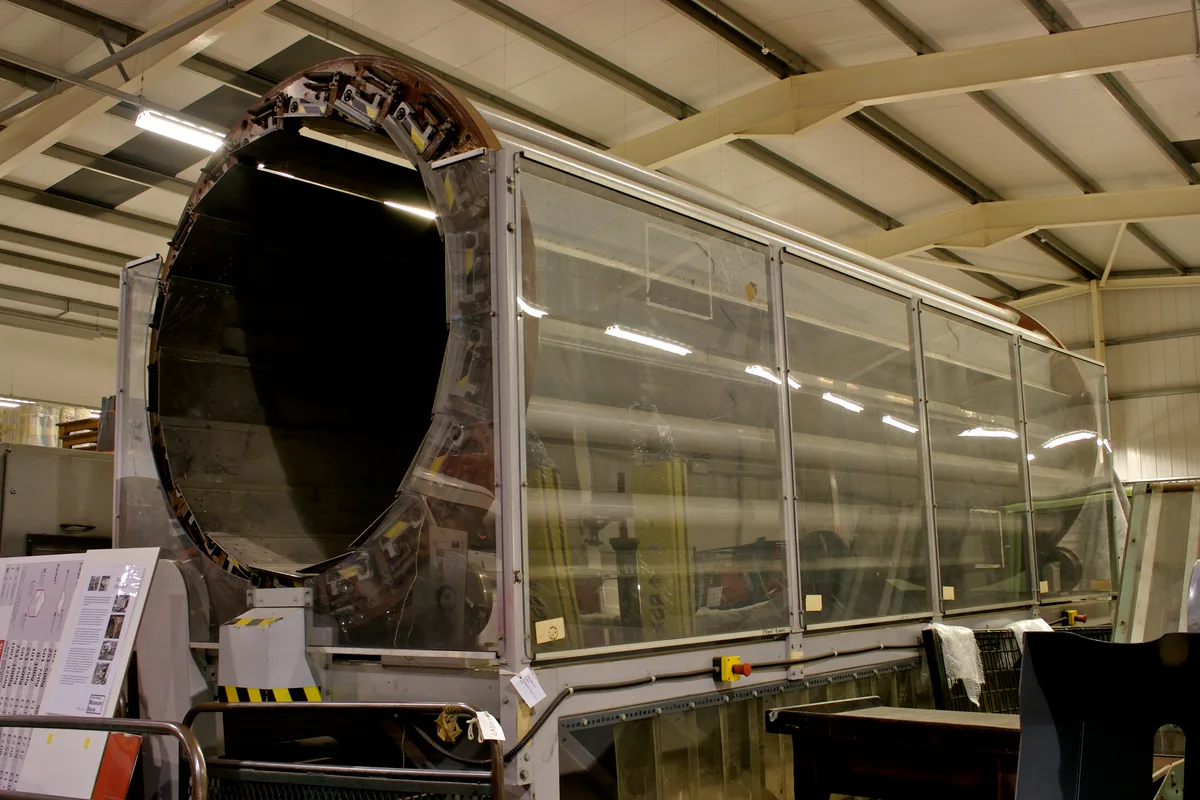
The moment your shipment exceeds the 7-day inactivity threshold, the registered sender or consignee must officially initiate Phase 1: The Depot Tracer Protocol. Simply checking the tracking website repeatedly will not trigger an internal investigation; a formal service ticket must be injected into LBC's warehouse operations queue.
To launch an official Depot Tracer, follow this precise sequence:
Dial Customer Care or Visit the Origin Branch
Call LBC hotline at (02) 8858-5999 or visit the exact branch where the package was dropped off. Origin branch supervisors have direct internal communication channels to regional logistics hubs.
Request a Formal Depot Tracer (Not a General Status Check)
Explicitly state: "My shipment #XXXXXXXXXXXX has had no tracking scan for over 7 business days past ETA. I am requesting an official Depot Tracer at the last recorded transit facility."
Provide Distinct Physical Package Identifiers
Supply visual clues that hub staff can use to identify the box if the waybill fell off: carton dimensions, box color, exterior brand tape, sender company markings, and exact weight.
Record the Official Tracer Docket Reference Number
Never disconnect without an 8-to-10-digit Ticket/Case Reference Number. This ticket binds the investigation to operational resolution deadlines under customer care SLAs.
Phase 2: Management Escalation and Physical Hub Audits
Once a Depot Tracer is logged, LBC internal logistics coordinators issue an investigation broadcast to the supervisory teams at the origin hub, central sorting exchange, and destination delivery depot. Physical dock workers execute a targeted audit of their local holding cages, checking staging zones and automated conveyor divert bins.
Dock sweeps focus on three specific warehouse zones where unindexed parcels frequently accumulate:
- The Overages, Shortages & Damages (OS&D) Bay: The designated quarantine holding area where parcels with missing, illegible, or torn waybills are staged awaiting manual identification and manifest cross-referencing.
- The Repack & Staging Enclosure: Where damaged parcels undergoing tape reinforcement, box rebuilding, or replacement pouch application are temporarily set aside before re-entering conveyor streams.
- The Mis-Route Holding Shelf: Staging racks where packages sent to the wrong delivery zone or island hub are gathered before cross-dock transfer back to the proper primary exchange.
If the tracer yields no physical discovery within 5 to 7 business days, the case must be escalated from frontline customer care to the Area Operations Manager. The sender should visit the origin branch manager in person. Origin branch managers hold direct internal communication lines to the regional hub logistics coordinators overseeing airport apron transfers, inter-island maritime shipping, and line-haul container trucks.
Phase 3: Formal Loss Declaration and Insurance Transition
If warehouse search sweeps across all handling facilities fail to locate the physical package after 15 to 30 calendar days of active tracing, LBC officially concludes that the shipment cannot be recovered through routine operational channels. At this juncture, the carrier issues a formal Certificate of Total Loss, and the file transitions from operational recovery into insurance claim settlement.
The issuance of a loss declaration closes all further transit tracking. The waybill status updates to "Shipment Declared Lost / Claim Initiated," enabling the claims department to calculate financial compensation.
The settlement payout is governed strictly by the Declared Value entered on the original transaction receipt. If the sender paid the optional 1% valuation fee insuring the goods for PHP 20,000, LBC issues full reimbursement for PHP 20,000 plus the base freight shipping fee. If the sender opted for basic default freight with no valuation fee, compensation is legally capped at LBC's minimum default coverage limit (typically PHP 500).
In addition to declared value compensation, total loss determinations entitle the paying party to a full refund of the base freight charges paid during booking, as the carrier failed to perform the primary transport obligation under the contract of carriage.
Do not wait indefinitely for a tracer to resolve. Formal loss claims must be submitted within 30 calendar days of the original drop-off date. If a tracer is dragging into its third week, file your formal claim paperwork immediately to preserve your legal rights.
Legal Standing: Sender vs. Consignee Rights Under Philippine Law
A frequent legal complication in lost courier shipments involves determining who is entitled to file the claim and collect the reimbursement check: the person who sent the box or the buyer who paid for it.
Under the Civil Code of the Philippines (Republic Act No. 386) and established common carrier doctrine, the contract of carriage is entered into between the Sender and the carrier. The sender paid the freight charges, signed the counter register, and holds the original waybill agreement. Consequently, in the eyes of Philippine law, the sender possesses primary legal standing (privity of contract) to demand compensation.
For individual online transactions between independent buyers and social media sellers (e.g., transactions arranged via Facebook Marketplace, Viber, or Instagram), the buyer cannot unilaterally collect courier compensation from LBC without written authorization. The buyer's legal recourse is against the seller for non-delivery of purchased goods under the Consumer Act of the Philippines (RA 7394). The seller must refund the buyer, and the seller in turn collects insurance reimbursement from LBC.
If the registered sender is uncooperative or refuses to initiate a tracer on behalf of a paying buyer, the buyer can submit a formal consumer complaint to the Department of Trade and Industry (DTI) Fair Trade Enforcement Bureau (FTEB). DTI consumer mediation requires online sellers to provide proof of delivery or issue a full refund within 15 calendar days.
Step-by-Step Chronological Recovery Action Checklist
To maximize your probability of recovering a missing parcel or securing prompt financial compensation, execute this chronological action protocol:
- Day 1–3 Past Expected Delivery Date: Monitor tracking status twice daily; confirm that regional weather advisories or coastal ferry suspensions are not causing temporary delays.
- Day 4–6 Past ETA: Check recipient address accuracy and verify that mobile phone numbers on the waybill receipt were recorded without clerical typos.
- Day 7 Past ETA: Call LBC hotline at (02) 8858-5999; formally initiate an official Depot Tracer; record the 8-to-10-digit Ticket Reference Number.
- Day 10–14: Senders visit the origin drop-off branch counter in person; provide physical package descriptions to the branch manager for hub escalation.
- Day 15–20: If the tracer remains unlocated, assemble the complete Claims Dossier: original receipt, commercial invoice, government ID, and LBC Claim Form.
- Day 21–30: Formally lodge the Claim Form at the branch; request a signed and stamped receiving copy to verify compliance with the 30-day deadline.