Executive Overview: Official LBC Package Retention Schedules
When a courier delivery attempt fails or an item is dispatched for counter collection, the physical package does not vanish into logistics limbo. Instead, it enters an active retention window governed by courier operating protocols and Philippine commercial law. For recipients navigating missed rider visits, extended work trips, or delayed branch visits, knowing the exact number of days a parcel remains safely in custody at the local facility is critical to preventing costly reverse transit.
In the Philippine courier sector, package retention periods are strictly tiered based on the service classification of the shipment, the physical footprint of the cargo, and whether the parcel involves monetary collection such as Cash on Pick-Up (COP). Standard retail document mailers and express pouches occupy minimal shelf volume and follow streamlined counter holding rules, whereas palletized sea cargo and oversized Balikbayan crates require extensive warehouse staging subject to carrier demurrage regulations.
Below is the official operational retention schedule enforced across LBC Express branches, distribution hubs, and regional staging warehouses throughout Luzon, Visayas, and Mindanao:
| Shipment Classification | Holding Facility Location | Standard Holding Window | Action Triggered Upon Expiration |
|---|---|---|---|
| Failed Doorstep Delivery (Rider Attempt Exhausted) | Servicing Local Delivery Hub / Designated Counter | 5 to 7 Calendar Days | Automated Return to Sender (RTS) dispatch initiated to origin branch |
| Cash on Pick-Up (COP) Retail Pouch & Small Box | Destination LBC Retail Branch Counter | 5 to 10 Calendar Days | Final reminder SMS alert issued; parcel marked RTS for return to seller |
| Cash on Delivery (COD) Doorstep Delivery (Failed) | Servicing Local Delivery Hub | 3 to 5 Calendar Days | Direct RTS transition to prevent inventory obsolescence for merchant |
| Consular Visa & Passport Envelopes (221g Services) | Designated Consular Delivery Exchange Branch | 10 to 14 Calendar Days | Mandatory security escort return to issuing embassy or consular bureau |
| Balikbayan Sea Freight Crate / Oversized Cargo | Regional Freight Staging Warehouse / Container Yard | Up to 30 Calendar Days | Daily storage demurrage fees assessed; eventual carrier statutory auction lien |
LBC holding schedules are measured in consecutive calendar days, not business days. Weekends and national holidays count toward the total retention window. If your package arrives at the branch on a Friday afternoon with a 5-day holding limit, the retention countdown includes Saturday, Sunday, Monday, and Tuesday.
The Failed Delivery Lifecycle: From Rider Run to Branch Staging
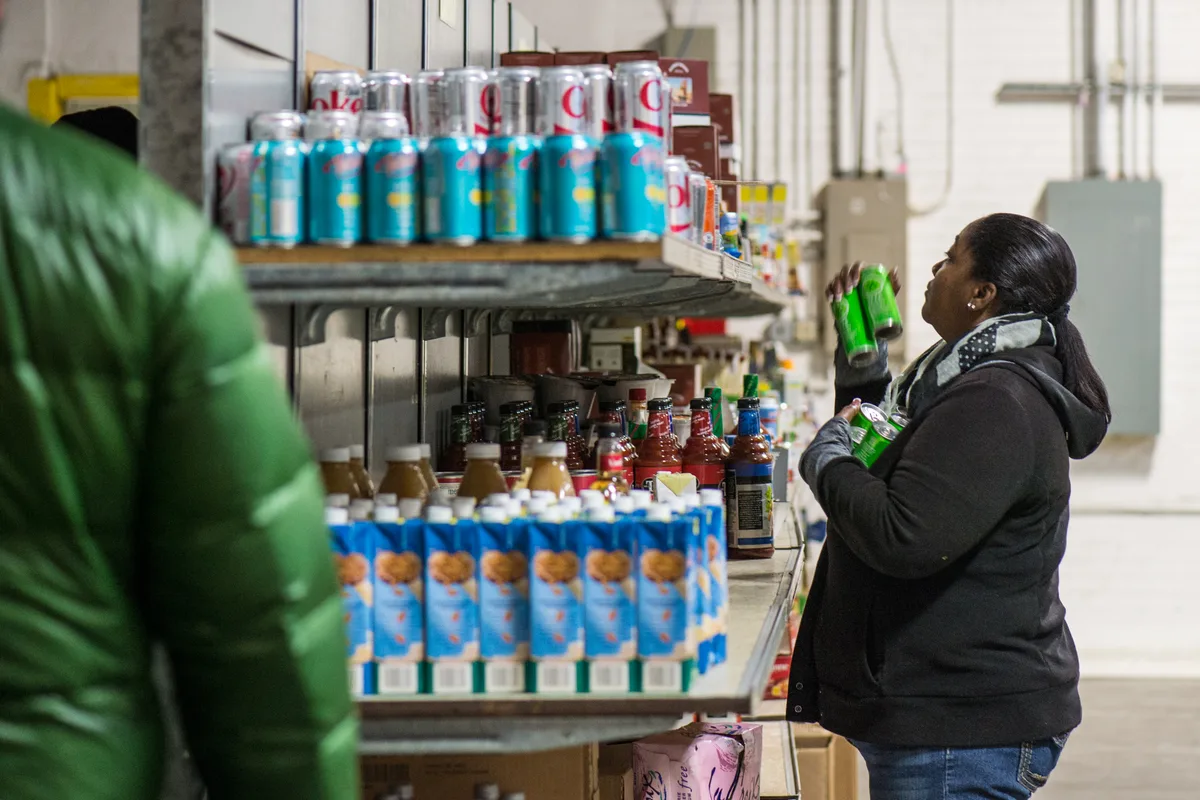
To understand why packages are held and where they reside, senders and consignees must recognize the distinction between an LBC Delivery Hub and an LBC Retail Branch. When an online order or personal package is addressed to a residential home or corporate office, it is dispatched from a delivery distribution hub—a non-public sorting depot where riders load their motorcycle saddlebags and delivery vans each morning.
If a courier rider arrives at your doorstep and cannot complete the handover—due to an incomplete street address, locked village security gates, severe flooding, or no authorized person being home—the rider logs a failed attempt scan. Under standard LBC operating standards, the courier attempts doorstep delivery up to two times. Following the second unsuccessful delivery run, the package transitions from active dispatch into held status.
At this juncture, the parcel is staged in the secure inventory cage of the servicing distribution hub or transferred to the nearest retail counter servicing that zip code. The recipient receives an automated SMS alert stating that delivery attempts have concluded and that the shipment is staged for manual collection. The 5 to 7 calendar day holding clock begins the precise hour this status scan is recorded in the tracking system.
- Attempt 1 Failed: Parcel returns to delivery hub evening sorting; staged for automatic re-attempt on the next scheduled business delivery day.
- Attempt 2 Failed: Delivery runs cease; waybill status updates to "Held at Branch" or "Staged for Pick-up at Hub".
- Day 1–3 in Holding: Primary counter grace period; customer care dispatch sends reminder SMS messages to the registered consignee phone number.
- Day 4–5 in Holding: Final collection notice; hub inventory clerks audit pending cages and flag shipments approaching return thresholds.
- Day 6–7 in Holding: Grace window closes; if no extension has been formally registered, reverse logistics manifests are generated.
Cash on Pick-Up (COP) and Cash on Delivery (COD) Retention Rules
E-commerce transactions conducted via Cash on Pick-Up (COP) follow a specialized holding protocol because the buyer intentionally selected branch retrieval at the point of purchase. When an online merchant tenders a COP parcel at an origin branch, the destination branch acts as the escrow counter where payment is collected before physical custody is released.
Because retail branches operate with finite counter backroom storage, COP consignments cannot remain on holding shelves indefinitely. LBC enforces a strict 5 to 10 calendar day holding window for COP parcels across all domestic branches. Most commercial mall branches (such as those in SM Supermalls, Robinsons Malls, or Ayala Malls) enforce a 5 to 7-day limit due to high parcel turnover and limited vault space, whereas standalone provincial branches may permit up to 10 calendar days before initiating return manifests.
For senders selling goods online, uncollected COP packages represent locked inventory and deferred revenue. Senders should proactively monitor tracking status and send friendly reminders to buyers once the parcel shows "Ready for Pick-up." If the buyer fails to collect the parcel before the branch retention window expires, LBC cancels the transaction and marks the waybill for Return to Sender (RTS), billing reverse shipping charges according to merchant account terms.
When a buyer abandons a Cash on Pick-Up parcel, the seller forfeits the forward freight fee and must pay return shipping charges to retrieve their merchandise at the origin branch. Senders should verify buyer contact numbers before shipping to reduce abandonment rates.
Balikbayan Boxes and Heavy Freight: Warehousing & Demurrage Rules
Unlike retail document pouches and shoebox-sized air parcels, international Balikbayan sea containers, machinery parts, and palletized commercial cargo occupy cubic meters of warehouse floor space. When an overseas Filipino worker (OFW) ships a jumbo Balikbayan box to provincial relatives, the delivery process involves line-haul trucking, inter-island roll-on/roll-off (RO-RO) ferries, and regional freight terminal storage.
If the recipient cannot be located in remote island barangays, or if provincial access roads are impassable for heavy freight trucks, the shipment is staged at LBC's regional cargo warehouse facility. LBC grants an extended holding period of up to 30 calendar days for sea freight and Balikbayan boxes to accommodate rural travel schedules and weather delays common across the Philippine archipelago.
However, once the 30-day grace period lapses without collection or written authorization, the shipment enters chargeable storage. Under Article 1733, 1735, and 2046 of the Civil Code of the Philippines (Republic Act No. 386), common carriers maintain a legal lien over uncollected goods. The carrier is legally entitled to assess daily demurrage and warehouse holding fees to recover operational costs, and persistent abandonment may result in statutory disposal proceedings under cargo auction regulations.
- Day 1 to 30: Complimentary warehouse holding; freight terminal coordinates delivery scheduling with provincial consignees.
- Day 31 to 60: Demurrage fee accrual; daily warehouse storage charges are assessed against the bill of lading.
- Day 60+: Abandoned cargo declaration; formal certified notification sent to registered sender abroad prior to carrier lien disposition.
How to Formally Request an LBC Package Hold Extension
Life emergencies, unanticipated corporate travel, natural typhoons, and provincial transit delays frequently prevent recipients from reaching an LBC branch within the standard 5-to-7-day window. Fortunately, LBC allows customers to request an official holding extension, provided the request is filed before the parcel enters automated reverse logistics.
To secure an approved hold extension, follow this structured procedural path:
Locate Your 12-Digit Waybill and Staging Facility Name
Open the LBC online tracking tool to verify the exact branch or delivery hub holding your parcel. Record the 12-digit numeric tracking code and the date the parcel entered holding status.
Contact the Holding Branch or Customer Care Hotline
Call LBC Customer Care at (02) 8858-5999 (Metro Manila) or 1-800-10-8585999 (Provincial PLDT Toll-Free). Alternatively, visit the holding branch counter directly or message the verified @lbcexpress Facebook channel.
Provide Verification Metadata and State Your Retrieval Date
Provide the agent with your full legal name, the sender's declared name, and the specific calendar date you will claim the package. Extensions are granted for an additional 3 to 7 calendar days.
Secure an Official Case Ticket Reference Number
Always request an 8-to-10-digit Customer Care Ticket Number confirming that the extension tag was entered into the central logistics manifest, preventing automated rider RTS dispatch.
Authorized Representative Retrieval: Claiming on Behalf of Another
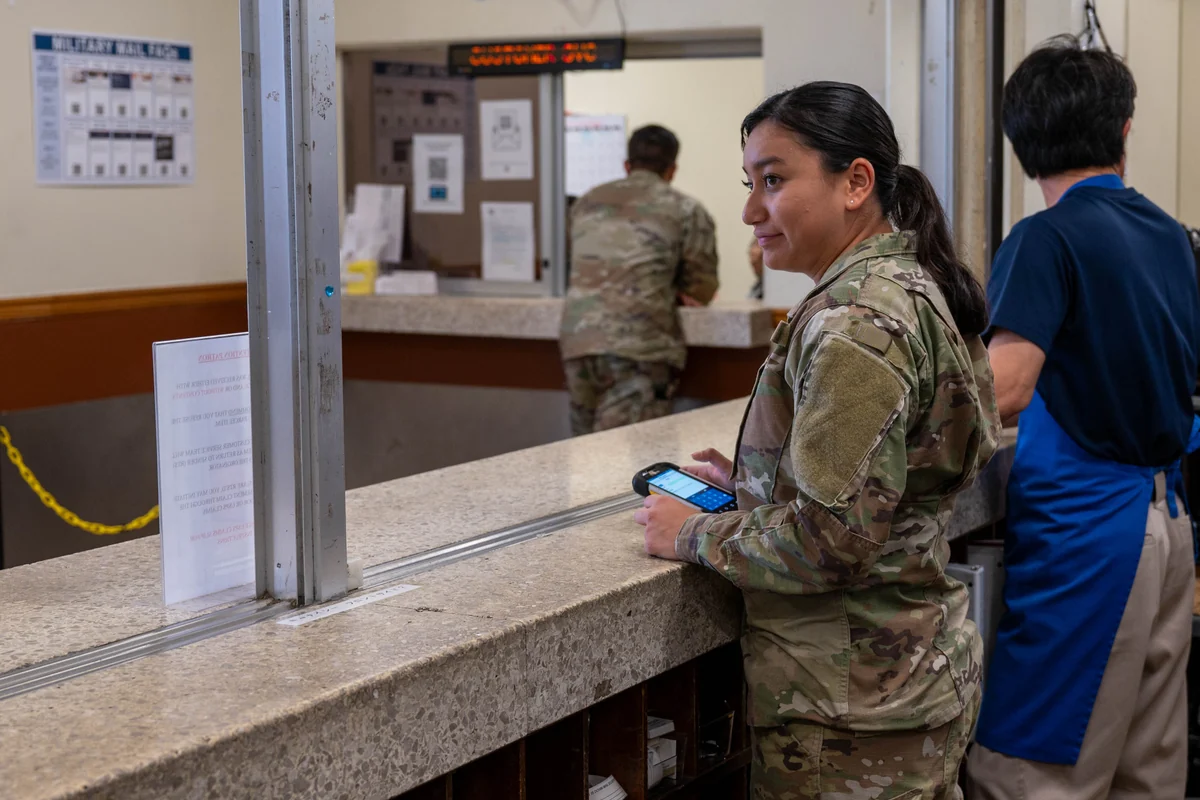
If you are unable to visit the branch yourself before the holding deadline expires, you do not need to let the shipment return to sender. LBC permits a designated family member, colleague, or friend to retrieve the package from the branch counter as an authorized representative.
Because courier counter tellers are bound by common carrier liability and consumer protection mandates under Philippine law, branch staff will never release a package to an unverified third party based solely on a verbal conversation or text message. The representative must present a complete documentary dossier at the counter:
- Item 1: Signed Authorization Letter. A signed paper letter from the consignee explicitly naming the representative, referencing the 12-digit waybill number, and authorizing physical parcel handover.
- Item 2: Photocopy of Consignee Valid Government Photo ID. A clear paper photocopy (or high-resolution digital image) of the recipient's valid government ID (such as a Philippine Passport, Driver's License, UMID, Postal ID, or PhilSys National ID) bearing an authentic signature matching the authorization letter.
- Item 3: Original Valid Government Photo ID of the Representative. The authorized person must present their own original, physical, government-issued photo ID for counter inspection and logbook recording.
- Item 4: Cash for Outstanding Charges (If Applicable). Exact cash payment for any freight balance, Cash on Pick-Up valuation, or declared value fees.
Tell your representative to take a smartphone screenshot of the active tracking page showing the shipment as "Ready for Pick-up." Presenting the waybill barcode directly to the counter scanner accelerates database lookups and eliminates queue friction.
Return to Sender (RTS) Reverse Logistics: What Happens When Deadlines Expire
When the maximum holding period elapses without collection or an approved extension, the branch inventory system automatically reclassifies the parcel from active holding to Return to Sender (RTS). At this point, the destination branch is legally and operationally mandated to purge the item from retail shelves to make room for incoming daily freight.
The reverse logistics cycle begins when warehouse staging clerks bundle uncollected parcels into return line-haul bags. The package travels in reverse along the transportation corridor: moving from the destination branch back through the destination regional hub, across provincial line-haul trucking routes or inter-island ferries, through the central sorting exchange (such as the Manila Central Exchange in Taguig), and finally back to the originating branch where the sender originally dropped off the box.
Once the package arrives back at the originating branch, the sender receives an automated SMS dispatch alert notifying them that their shipment has returned uncollected. The sender is granted their own 5-to-10-day retention window to claim the returned merchandise. Senders must settle any outstanding reverse shipping surcharges stipulated in the carriage contract before counter tellers release the box.
Step-by-Step Action Checklist: Rescuing Your Held Package
To ensure you retrieve your held parcel smoothly without facing unexpected delays or administrative hurdles, execute this practical 5-point checklist before visiting the branch:
- Verify Staging Location: Check the tracking tool to confirm whether your parcel is at a neighborhood retail branch or a regional distribution hub.
- Confirm Operating Hours: Mall branches typically operate from 10:00 AM to 8:00 PM; standalone street branches frequently close at 5:00 PM or 6:00 PM.
- Pack Physical Identification: Bring two physical government-issued photo IDs; digital copies on phones may be rejected at standalone bank-partnered branches.
- Prepare the Waybill Code: Have your 12-digit numeric tracking code written down or displayed clearly on your mobile screen.
- Prepare Cash Tender: If your delivery is COP or COD, bring exact change to prevent delays during busy afternoon counter cash reconciliations.