Operational Transit Windows: When Is an Address Change Possible?
The operational feasibility of altering a delivery destination depends entirely on where the physical parcel is located within the courier pipeline. Couriers handle hundreds of thousands of packages daily across massive conveyor belts, automated sorting chutes, and maritime containers.
Review this operational breakdown of rerouting feasibility across each milestone of package transit:
| Transit Stage | Tracking Status Display | Reroute Feasibility | Required Action |
|---|---|---|---|
| Origin Branch Intake | "Received at Origin Branch" / "Accepted at Branch" | Immediate & Effortless | Sender visits origin counter immediately; teller re-encodes waybill before consolidation |
| Line-Haul Hub Sorting | "Arrived at Central Exchange" / "In Transit to Destination Hub" | High Feasibility | Hotline agent logs Administrative Staging Hold on waybill; parcel flagged upon arrival |
| Destination Hub Sorting | "Received at Destination Delivery Team" / "At Delivery Hub" | Critical Window (Hours) | Call customer care before 7:00 AM to freeze dispatch before rider sorting begins |
| Out for Delivery | "Out for Delivery" / "Assigned to Rider" | Operationally Blocked | Parcel is physically loaded on rider motorcycle/van; must await failed attempt record |
| Post-Failed Attempt | "Delivery Attempt Failed" / "Consignee Not Home" | Full Feasibility Restored | Parcel returns to delivery hub; sender can reroute or redirect to branch pickup |
Step-by-Step Procedure to Reroute an In-Transit Shipment
If you are the registered sender and discover that your shipment contains an incorrect address, follow this standardized 4-stage intervention procedure immediately:
Place an Immediate Administrative Staging Hold
Call the official LBC Customer Care hotline at (02) 8858-5999 (Metro Manila) or 1-800-10-8585999 (provincial toll-free). Quote your 12-digit waybill tracking number and request an urgent "Administrative Staging Hold". This places a digital freeze on the tracking record, preventing the destination hub from loading the parcel onto a delivery vehicle.
Verify Sender Identity Credentials
Under Republic Act No. 10173 (Data Privacy Act of 2012), the customer service representative must verify that you are the legitimate sender. Be prepared to confirm the sender full legal name, originating drop-off branch, transaction timestamp, payment method, declared contents, and recipient phone number.
Submit the Corrected Destination Details
Provide the verified replacement address including exact street number, subdivision phase, official barangay name, municipality, province, 4-digit postal ZIP code, and an updated landmark description. If changing the recipient contact number, dictate the active 11-digit mobile line.
Settle Freight Tariffs or Zonal Variances
If the new destination falls within the same local delivery hub zone, the correction is generally completed without fee. If the reroute requires line-haul transport to another province or island group, you must settle the freight tariff difference at a branch or authorize payment upon parcel release.
Internal Dispatch Telex: How Customer Support Halts In-Transit Parcels
To understand why placing an Administrative Staging Hold works, it helps to look inside the courier operational communications loop. When you speak to a customer care representative on the hotline, they do not physically run to an airport cargo warehouse. Instead, customer care agents utilize an internal dispatch messaging telex system integrated directly into the core track-and-trace database.
When the agent flags a waybill for rerouting, the system changes the parcel status flag from "Open Route" to "Administrative Hold - Awaiting Sender Amendment". When the physical parcel arrives at the regional distribution gateway or destination delivery hub, the barcoded waybill sticker is scanned under an optical overhead conveyor scanner or by a handheld terminal.
Instead of emitting the standard short green confirmation chime, the terminal sounds a distinct multi-tone alert and displays an amber warning screen: "HOLD AT STATION - DO NOT LOAD". Sorting technicians immediately pull the package from the line-haul conveyor belt and place it onto a specialized staging shelf designated for customer care exceptions. This mechanical gate prevents the package from ever touching a delivery rider's motorcycle.
Fee Adjustments and Regional Tariff Surcharges
A common question senders ask when requesting an address change is whether the carrier assesses financial penalties or extra freight fees. The answer depends strictly on geographical routing zones:
- Intra-Zone Typographical Corrections (No Extra Fee): If you are simply correcting a misspelled street name, adding a missing house number, or supplying an omitted barangay within the service radius of the same destination delivery hub, LBC does not charge a fee for the administrative update.
- Inter-City / Intra-Province Rerouting (Minor Surcharge): If the new address transfers the parcel from one municipal delivery hub to an adjacent city within the same province (e.g., from San Fernando to Angeles City in Pampanga), a nominal local re-dispatch fee may apply to cover secondary van transfer.
- Inter-Regional / Inter-Island Rerouting (Full Line-Haul Tariff): If a package originally addressed to Baguio City (Northern Luzon) must be rerouted to Cebu City (Visayas) or Davao City (Mindanao), the parcel must travel through inter-island air express or maritime container networks. The sender must settle the full freight variance between the original and newly requested zones.
The Fastest Alternative: Converting Home Delivery to Branch Pick-Up (COP)

When dealing with an erroneous, difficult-to-locate, or disputed residential address, attempting to re-encode a brand-new doorstep street address often creates secondary delays. Delivery riders unfamiliar with the new address may struggle with obscure provincial alleys, resulting in another round of failed attempts.
By far the fastest, safest, and most dependable resolution is converting the shipment to LBC Branch Pick-Up (Hold for Pick-Up / Cash on Pick-Up redirection).
Instead of waiting for a courier motorcycle to search for a residential gate, the parcel is held securely inside a designated official LBC retail branch of the recipient's choosing. The recipient can visit the air-conditioned branch counter at their own convenience during standard retail operating hours, present their valid government photo ID matching the waybill name, and collect the parcel in three minutes flat.
To execute a Branch Pick-Up conversion, instruct customer service or the origin branch to redirect the waybill to a specific named branch (e.g., "Hold for Pick-Up at LBC Express - SM City Iloilo Branch").
Branch Pick-Up eliminates missed delivery calls, locked gate issues, and neighborhood address confusion. LBC typically holds branch pickup packages for up to 30 calendar days for commercial retail consignments, giving recipients ample time to collect their items.
Mandatory Documentation: What to Bring to the Origin Branch
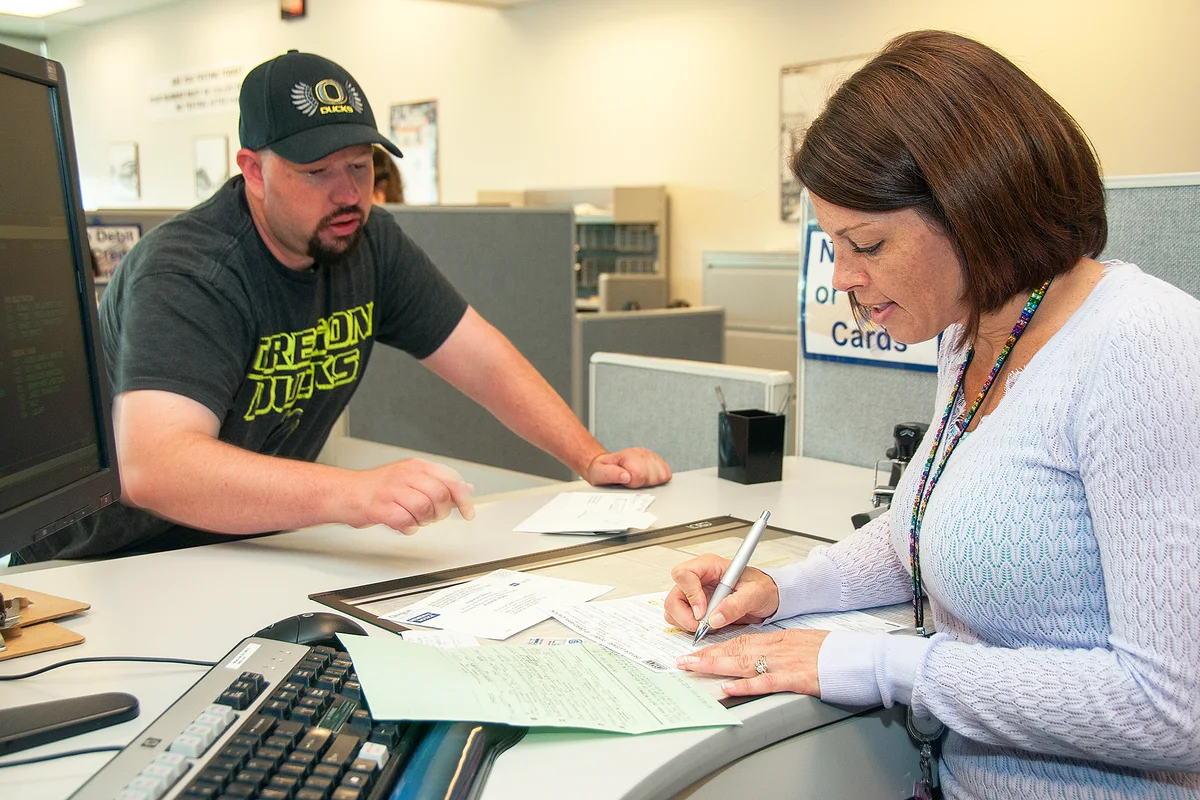
If telephone customer service lines are congested or the rerouting involves major inter-provincial destination changes, visiting your originating drop-off branch in person is the most effective operational route. Senders must bring specific verification documentation:
- Original Printed Thermal Receipt: The official paper receipt or digital transaction confirmation containing the printed 12-digit tracking number and POS transaction timestamp.
- Valid Government-Issued Photo ID: At least one unexpired primary government identity card (PhilID/ePhilID, Philippine Passport, LTO Driver's License, UMID, Postal ID, or PRC ID) matching the sender name recorded on the intake register.
- Formal Written Letter of Authorization for Representatives: If the original sender cannot visit the branch personally, an authorized representative must present an authorization letter signed by the registered sender, along with original copies of both the sender's and representative's government photo IDs.
What to Do When the Package Is Already Marked "Out for Delivery"
One of the most frustrating moments for customers occurs when they realize an address error, check tracking, and see the status displayed as "Out for Delivery" or "Assigned to Delivery Rider".
At this juncture, the parcel is no longer resting in a sorting bin; it has been physically loaded into a rider's motorcycle saddlebag or courier delivery van traversing city streets. Hub dispatch controllers cannot remotely recall an individual package while the rider is actively navigating a delivery run-sheet.
If your shipment is currently Out for Delivery with an incorrect address, take these defensive measures:
- Monitor the Recipient Phone Closely: Ensure the recipient keeps their mobile phone active and unmuted. When the rider discovers the address error, they will call the contact number on the waybill. If the actual recipient answers, they can explain the landmark or coordinate meeting the rider nearby.
- Do Not Panic Over a "Failed Attempt" Status: If the rider cannot locate the house, they will record a "Delivery Attempt Failed - Incomplete Address" notice. This is actually helpful: the parcel is safely returned to the local hub by 6:00 PM, re-opening the operational window for an official address correction.
- Call Customer Support Immediately at 6:30 PM: Once the package checks back into the delivery team hub in the evening, call the hotline to place an immediate hold on the waybill before it can be assigned to the next morning's dispatch sheet.
Preventing Return to Sender (RTS) When Rerouting Takes Multiple Days
When an address discrepancy occurs, time is of the essence. Couriers do not hold unresolved exception parcels indefinitely. Under standard carrier operating guidelines, if a package logs two or three unsuccessful delivery attempts and neither sender nor recipient contacts customer care within five business days, the automated system flags the parcel for Return to Sender (RTS).
Once an RTS manifest is sealed and the box is loaded onto an outbound reverse line-haul container, rerouting is virtually impossible. The shipment must complete its reverse voyage all the way back to the originating branch where the sender must pay return shipping charges before reclaiming the box.
To prevent unwanted RTS triggers, always request the customer service representative to enter an extended 7-day administrative hold while destination rerouting details and tariff settlements are being finalized.
Preventing Fraud: Why Couriers Restrict Telephone Address Changes
While rigorous identity verification rules may feel inconvenient when you are in a hurry, understanding why these policies exist helps appreciate carrier security.
In the e-commerce sector, "parcel interception fraud" is a prevalent threat. Unscrupulous buyers frequently purchase goods from Facebook Marketplace or online sellers, request shipping via courier, and then call customer service pretending to be the seller, rerouting the package to a random drop point before paying. Similarly, cybercriminals who harvest tracking numbers from public social media unboxing photos attempt to divert packages.
By enforcing strict sender-only authorization, requiring physical receipt presentation for major reroutes, and logging all CSR terminal transactions, LBC protects consumer property and maintains integrity across domestic supply chains.