Philippine Address Topography: Why Western Formats Fail
Shipping packages in the Philippines presents unique navigational challenges that foreign e-commerce platforms and first-time domestic senders frequently misunderstand. In Western countries like the United States, Canada, or the United Kingdom, postal routing relies on strictly standardized, sequential street grids where every physical structure possesses an unambiguous house number, street name, and five-digit or alphanumeric postal code.
In the Philippines, urban planning and historical settlement patterns follow vastly different geographical rules. Outside of master-planned business districts (like Bonifacio Global City or Makati CBD), many residential communities grew organically over decades. It is commonplace to find provincial access roads with zero house numbers, urban barangays where house numbers were assigned chronologically by year of construction rather than geographical order, and sprawling residential subdivisions featuring identical street names across different phases.
When senders attempt to compress a Philippine delivery destination into a generic two-line Western address template, critical navigational data is lost. A package addressed simply as "123 Rizal Street, Manila" is virtually undeliverable: Rizal Street exists in dozens of separate barangays across Metropolitan Manila alone. To ensure your parcel reaches the recipient's hands on the first delivery attempt, you must understand and apply the native administrative hierarchy of Philippine courier logistics.
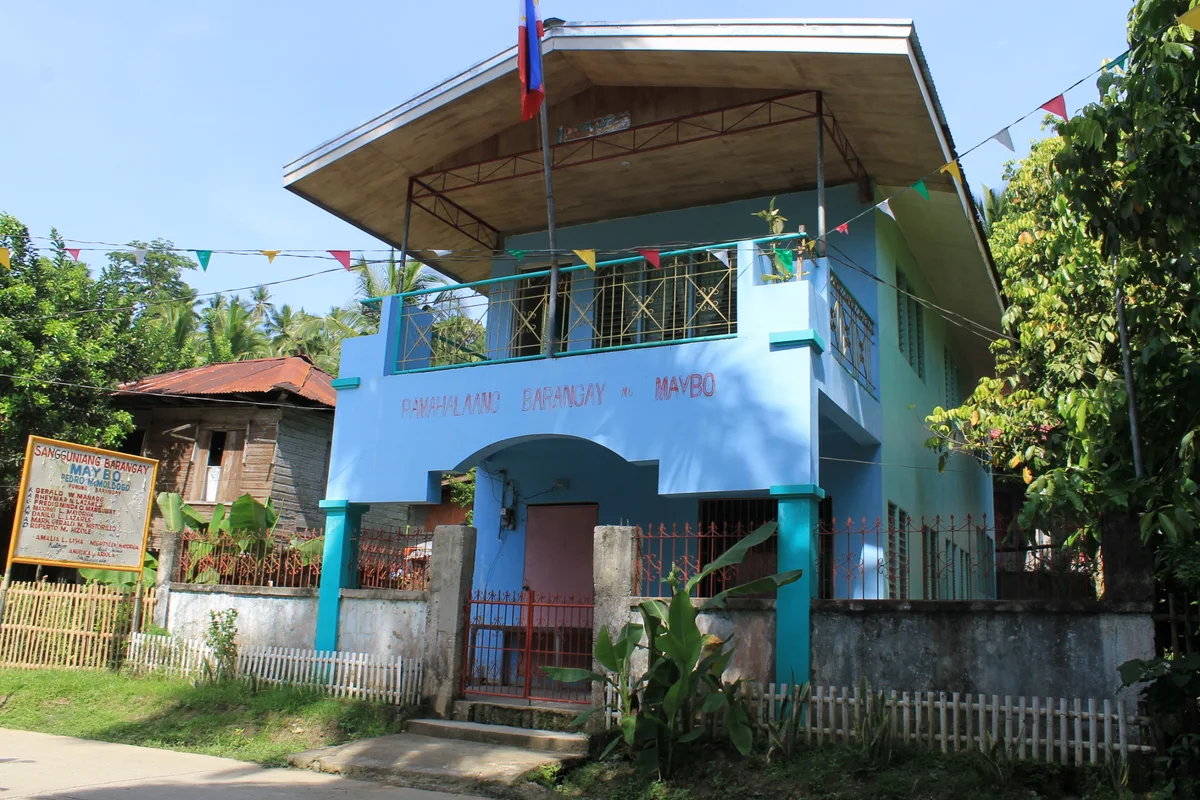
When a waybill is scanned at a primary hub, automated database systems first query the 4-digit ZIP code and City to route the parcel to the correct regional delivery hub. Once at the local hub, sorting supervisors rely specifically on the Barangay name to allocate the parcel into the individual courier rider's morning route bag.
The 7-Layer Structural Anatomy of an Ideal Philippine Courier Address
To eliminate ambiguity across all courier sorting centers, every shipping label should structure address information across seven distinct, standardized layers:
- Layer 1: Recipient Full Legal Name. Always provide the recipient's complete first and last name matching their official Philippine government-issued photo ID. Avoid mononyms, internet handles, social media shop names, or childhood nicknames. If the package cannot be delivered to the home and is diverted to branch pick-up, tellers will only release the parcel if the name matches government identification.
- Layer 2: House, Building, or Unit Identification. For standalone residential homes, specify the exact house number, lot number, and block number. For condominium towers or commercial offices, write the floor level, tower name, and unit number (e.g., "Unit 1408, Tower 2, Sun Residences").
- Layer 3: Street, Subdivision, or Village Name. Identify the specific street or avenue. In gated communities, specify the Phase number and Subdivision name (e.g., "Phase 3, Camella Homes"), as subdivision security guards check incoming riders against phase maps at security gates.
- Layer 4: Purok, Sitio, or Zone Identifier. In semi-rural or provincial areas where streets are unnamed, local communities are organized into sub-barangay clusters called Puroks or Sitios (e.g., "Purok 4-A" or "Sitio Maligaya"). This designates the specific sub-neighborhood.
- Layer 5: Official Barangay Designation. The Barangay is the smallest official local government unit in the Philippines and the most critical data point for logistics dispatch. Never omit the barangay name, and avoid informal nicknames (e.g., write "Barangay San Antonio", not just "San Antonio").
- Layer 6: City or Municipality, Province, and 4-Digit ZIP Code. List the official municipality or city (e.g., "Dasmariñas City"), the administrative province (e.g., "Cavite"), and the official 4-digit Philippine Postal ZIP code (e.g., "4114").
- Layer 7: Permanent Visual Landmark & Active 11-Digit Mobile Number. Provide an immovable local visual reference point (e.g., "Across San Isidro Parish Chapel, yellow gate with black grill") and an active local mobile phone number formatted as "09XX-XXX-XXXX".
Address Templates Across Philippine Living Environments
Different living settings require distinct formatting adjustments to guide delivery riders through local security protocols and architectural layouts. The table below illustrates optimal formatting across gated subdivisions, high-rise condominiums, and provincial barangays:
| Residential Setting | Recommended Address Format | Key Navigation Elements |
|---|---|---|
| Gated Suburban Subdivision | Block 14, Lot 22, Phase 2, Mahogany Street, Villa San Lorenzo Subdivision, Brgy. San Agustin, San Fernando City, Pampanga 2000 (Near Clubhouse, White House with Red Roof) Tel: 0917-123-4567 | Block & Lot numbers, Phase designation, subdivision gate name, house paint color |
| High-Rise Condominium Tower | Unit 2814, Tower B, Jazz Residences, Nicanor Garcia St. cor. Metropolitan Ave., Brgy. Bel-Air, Makati City, Metro Manila 1209 (Lobby Reception Acceptance Permitted) Tel: 0920-987-6543 | Tower letter, unit number, street intersection, lobby guard drop-off authorization |
| Provincial Rural Barangay | House #105, Purok 3, Sitio Riverside, Brgy. Santa Maria, Isabela, Basilan 7300 (Beside Santa Maria Daycare Center, Green Gate) Tel: 0908-555-1212 | Purok / Sitio cluster, municipal landmark (daycare, chapel, barangay outpost), gate details |
| Commercial Corporate Office | 7th Floor, Accounting Department, Ayala Tower One, Ayala Avenue, Brgy. San Lorenzo, Makati City 1226 (Attn: Juan Dela Cruz) Tel: 0918-333-4444 | Department name, corporate floor, building name, authorized representative notice |
The Power of Landmarks: Turning Ambiguous Alleys into Pinpoint Deliveries
If you ask any seasoned delivery rider across the Philippines what single detail prevents failed delivery attempts, the answer is unanimous: a reliable, permanent visual landmark.
Because many barangays feature maze-like interior alleys (known locally as eskinita) where street name signage is weathered, absent, or obscured by tree canopies, riders navigate visually. A landmark provides an immediate spatial anchor that allows the rider to ask neighborhood tricycle drivers or sari-sari store owners for directions.
However, not all landmarks are created equal. Effective landmarks must be permanent, publicly recognizable, and visible from the street:
- High-Quality Permanent Landmarks: Barangay halls, public elementary schools, Catholic chapels or churches, police community outposts, rural health centers, covered basketball courts, and registered commercial landmarks (e.g., "50 meters past Petron Gas Station").
- Distinct Architectural House Markers: Exterior house paint colors, gate materials, and specific structural features (e.g., "Two-story gray house with black iron gate and Bougainvillea flowers").
- Ineffective or Ephemeral Landmarks to Avoid: Parked vehicles (e.g., "Behind the blue Toyota"), temporary party banners, roaming pets, or seasonal plant displays that may move, change, or disappear by the time the courier arrives.
Navigating Gated Subdivisions and Condominium Access Rules
Modern urban and suburban deliveries across Metro Manila, Cebu, and Davao increasingly terminate in gated communities and high-rise condominium complexes. While these environments offer excellent security for residents, they create formidable obstacles for courier riders operating on tight daily schedules.
Homeowners Association (HOA) guards frequently enforce strict visitor protocols: requiring riders to surrender driver's licenses, pay entrance pass fees, or wait for security guards to phone residents before opening boom gates. Similarly, condominium property management teams often bar external courier riders from riding elevators to residential floors.
To prevent riders from abandoning the attempt due to gate friction, incorporate these instructions directly into your address formatting:
- Specify Gate Name on Multi-Entrance Subdivisions: Many large subdivisions have separate resident-only RFID gates and commercial visitor/delivery gates. Specify the correct commercial entrance (e.g., "Enter via Gate 2 along Governor's Drive").
- Pre-Authorize Lobby Acceptance for Condos: If your condominium allows building receptionists or security desks to receive courier parcels, state this explicitly in the address line (e.g., "Leave at Tower 1 Concierge Desk"). This allows the rider to tender the parcel in two minutes rather than waiting 20 minutes for you to ride the elevator down.
- Inform Guards of Expected Deliveries: If expecting a Cash on Delivery (COD) package, leave payment and an authorization letter with your building guard or household helper so delivery can proceed even if you are unexpectedly away.
Provincial Rural Routing: Sitios, Remote Areas, and ODA Classifications
Shipping to provincial addresses located outside chartered cities requires special attention to administrative geography. In island provinces and highland regions (such as Cordillera, Palawan, or Mindanao), addresses rarely use street numbers.
Instead, provincial routing relies on three critical geographical identifiers: Purok/Sitio, Barangay, and Municipality. A Sitio is a territorial enclave or territorial hamlet within a larger rural barangay. Senders must state both the Sitio and the parent Barangay (e.g., "Sitio Ilaya, Barangay Poblacion").
Furthermore, certain distant mountain villages and offshore islets are designated by couriers as Out of Delivery Area (ODA) zones. In ODA territories, courier vans do not perform daily doorstep runs. Instead, deliveries occur on scheduled weekly shuttle runs or parcels are held at the nearest municipal branch.
If your recipient lives in an isolated sitio accessed only by dirt paths, river crossings, or single-track motorcycle trails, standard doorstep courier delivery may be operationally impossible. In these scenarios, the fastest, safest solution is formatting the delivery as Branch Pick-Up (Cash on Pick-Up / COP) at the nearest town center branch.
Mobile Numbers: The Unsung Hero of Courier Waybill Encoding
Even with a flawless street address and perfect landmark description, the single most critical point of contact during the final 500 meters of transit is the recipient's mobile phone number.
Courier riders carry delivery run-sheets containing dozens of parcels. When a rider arrives at a locked residential gate, encounters an uncooperative subdivision guard, or needs clarification regarding an alley turn, they immediately dial the mobile number printed on the waybill. If the phone number is invalid, missing a digit, or goes unanswered, the rider has no choice but to log a Delivery Attempt Failed exception and move on to the next scheduled customer.
Follow these golden rules for phone number encoding:
- Use Standard 11-Digit Philippine Mobile Format: Always write mobile numbers starting with the domestic prefix (e.g., "0917-XXX-XXXX" or "0920-XXX-XXXX"). Avoid omitting the leading zero or confusing foreign dial codes on domestic waybills.
- Provide an Alternate Secondary Phone Number: In the secondary contact or landmark field, write a backup phone number (e.g., "Alt Tel: 0918-XXX-XXXX - Sister") in case the recipient's primary line is occupied, uncharged, or in a cellular dead zone.
- Ensure the Recipient Expects the Delivery: Inform the consignee that a package has been dispatched. Many Filipinos ignore phone calls from unknown mobile numbers due to rampant spam telemarketing, inadvertently declining calls from delivery riders trying to hand over their parcels.
How Poor Address Formatting Triggers Delivery Exceptions
Failing to format your address correctly does not simply delay delivery by an hour; it initiates a cascade of operational exceptions that can leave your parcel stranded for days or returned to the origin branch:
- "Consignee Unknown" Status: Triggered when a rider arrives at a street but the recipient's name is unrecognized by residents, often because the sender used a nickname or social media alias rather than the recipient's legal name.
- "Incomplete / Unlocatable Address" Status: Occurs when the waybill lacks a barangay or landmark, leaving the delivery team unable to identify which neighborhood zone contains the destination house.
- "Rider Out of Route / Cut-Off" Exception: If a rider spends 30 minutes attempting to navigate an ambiguous address, their remaining afternoon run-sheet falls behind schedule, forcing them to return remaining parcels to the hub overnight.
- Automatic Return to Sender (RTS): Couriers typically permit two to three failed delivery attempts before declaring the consignment non-deliverable, sealing an RTS manifest, and shipping the box back to the origin city at the sender's expense.
Pre-Shipment Address Verification Checklist
Before completing your waybill or confirming your e-commerce checkout, run through this rapid 4-point verification checklist:
Verify Official Barangay Spelling
Cross-check the barangay name on Google Maps or Philippine Statistics Authority registries to ensure correct municipal spelling.
Confirm 4-Digit Postal ZIP Code
Ensure the ZIP code matches the municipality or city directory, avoiding confusion between similarly named towns in different provinces.
Add a Visible Physical Landmark
Include at least one permanent landmark (chapel, school, barangay hall, or commercial business) and exterior gate color.
Test Recipient Mobile Connectivity
Confirm that the recipient's 11-digit mobile number is active, unblocked, and monitored during daytime delivery hours.