The Golden Hours: Immediate Containment Protocol (0 to 4 Hours)
Discovering that you gave the wrong house number, inverted a barangay name, or mistyped a recipient mobile number on a courier waybill is a heart-stopping moment. Whether you are an online seller fulfilling hundreds of orders or an individual sending an urgent gift to family, realizing an address error demands calm, structured, and immediate intervention.
In courier logistics, the first four hours after identifying an address mistake are known as the Golden Hours of Containment. During this window, the parcel is almost certainly still in transit between distribution hubs, resting in a regional consolidation sorting facility, or moving along a line-haul highway route.
At this juncture, the package has not yet reached the hands of the final-mile delivery team. Placing a digital hold on the waybill takes minutes and completely halts forward transit before the parcel can ever enter a delivery van. Every hour of delay increases the likelihood that the box will be loaded onto a rider's run-sheet, where physical intervention becomes vastly more difficult.
Understanding how courier sorting schedules operate provides peace of mind: packages tendered at local branches during afternoon business hours undergo consolidation and inter-hub highway transit overnight. Sorting at the destination delivery hub rarely begins before 6:00 AM on the following morning. If you initiate your intervention during the evening or early morning before rider dispatch, your chances of successfully halting the package are near 100%.
Do not attempt to fix an emergency address error by leaving public comments on Facebook posts or sending unmonitored email tickets. Public comments expose private tracking numbers to scammers, and email queues may take 24 to 48 hours to process. Always call the official customer care hotline directly.
Categorizing Address Errors: Typographical Glitches vs Total Misrouting
Not all address errors carry the same degree of operational risk. Understanding the severity of your mistake dictates which emergency escalation path you should take:
| Error Severity | Typographical Example | Operational Risk Profile | Emergency Fix Action |
|---|---|---|---|
| Low Severity (Minor Typo) | "142 Magsaysay St" instead of "144 Magsaysay St" (Same Street) | Rider usually phones recipient from gate to clarify house number | Phone hotline update; ensure recipient answers rider phone call |
| Moderate Severity (Phone Error) | Transposed digit in mobile number (e.g., 0917-123-4576) | Rider cannot call consignee; risk of "Consignee Unreachable" failed attempt | Call customer support immediately to inject updated mobile number into dispatch notes |
| High Severity (Wrong Barangay) | "Brgy. San Jose" instead of "Brgy. San Antonio" (Same City) | Parcel assigned to completely wrong delivery rider; delayed by 24-48 hours | Place urgent Administrative Staging Hold at hub; reassign to correct neighborhood van |
| Critical Severity (Wrong City/Province) | "Cebu City" instead of "Davao City" (Inter-Island Misrouting) | Parcel travels hundreds of kilometers in wrong direction; long delay | Visit origin branch with original thermal receipt; cancel routing and pay tariff variance |
Emergency Hotline Escalation: The Exact Script to Freeze Dispatch
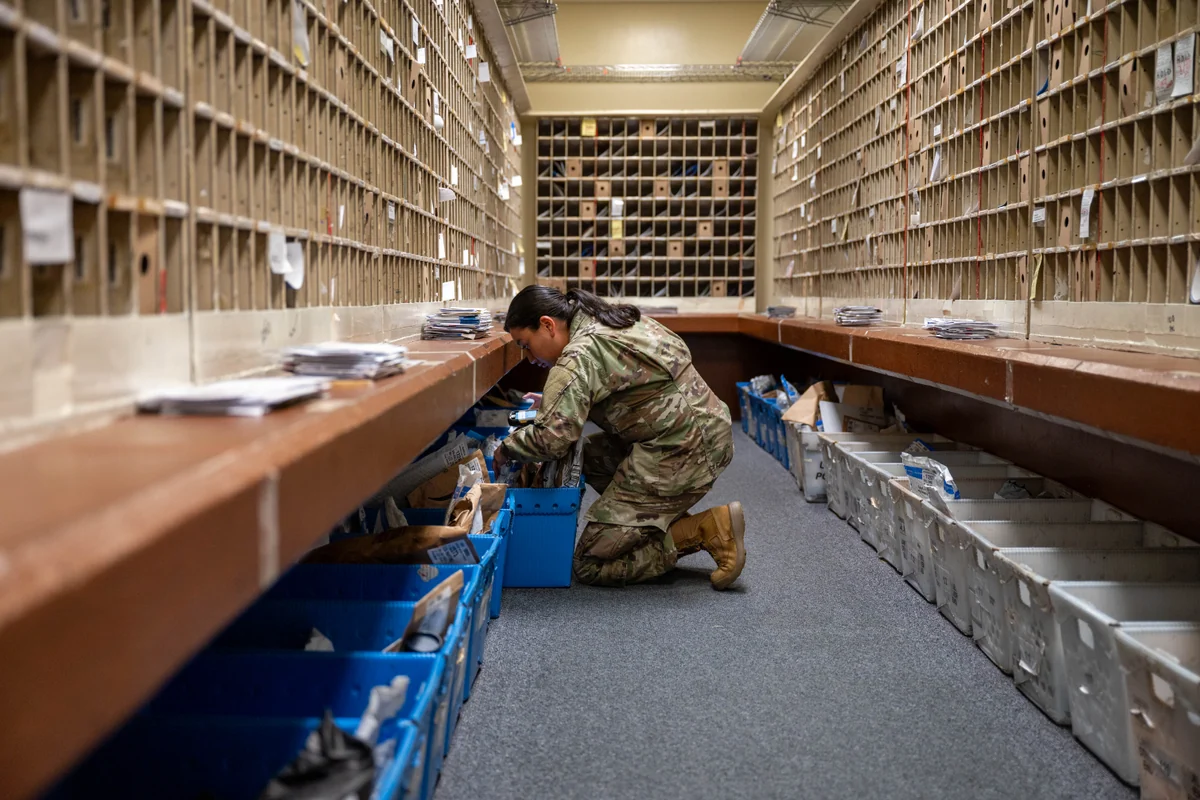
When calling the customer care hotline during an address crisis, being concise and authoritative prevents confusion. Customer support centers handle thousands of calls per shift; speaking vaguely wastes precious minutes.
Dial (02) 8858-5999 (Metro Manila) or 1-800-10-8585999 (provincial toll-free). When connected to a live customer service representative, follow this structured communication protocol:
Declare an Emergency Dispatch Freeze
State clearly: "I am the registered sender of Waybill Number [Your 12-Digit Code]. There is a critical address error on this active shipment, and I need an immediate Administrative Staging Hold placed on the delivery hub to stop dispatch."
Provide Verification Security Details
Authenticate your identity by confirming your full name, tender drop-off branch, transaction timestamp, payment method, declared contents, and recipient name as recorded on the intake register.
Dictate the Verified Correction
Dictate the exact house number, street, official barangay name, municipality, province, 4-digit postal ZIP code, a prominent landmark, and the active 11-digit mobile number.
Request Ticket Reference and Hub Confirmation
Ask the representative for the official Customer Service Ticket / Case Reference Number and confirm that an internal telex dispatch has been transmitted to the destination delivery team supervisor.
What to Do If Tracking Already Says "Out for Delivery"
If you check your tracking screen and discover the package is already marked Out for Delivery to the wrong address, the parcel is currently on a motorcycle or van traversing local streets. Hotline agents cannot physically halt a vehicle in motion, but you still have viable tactical options:
- Alert the Intended Recipient to Keep Mobile Lines Clear: If the phone number on the waybill is correct, the delivery rider will almost certainly dial the recipient upon discovering that the house number or landmark does not match. The recipient can answer, politely explain the error, and guide the rider to the correct nearby house or meet at a neighborhood landmark.
- Warn Occupants of the Erroneous Address: If you accidentally entered the address of an old apartment or previous landlord, contact them immediately. Inform them that a courier delivery is arriving under your name and instruct them to decline acceptance or state to the rider: "The addressee does not reside here."
- Do Not Panic When the Rider Logs a Failed Attempt: When an address cannot be found, the rider tags the parcel as "Delivery Attempt Failed - Unlocatable Address". The parcel is returned to the delivery hub at the end of the shift (typically by 6:00 PM), safely re-opening the window for an official hub hold.
Worst-Case Scenario: The Package Was Delivered to the Wrong Person
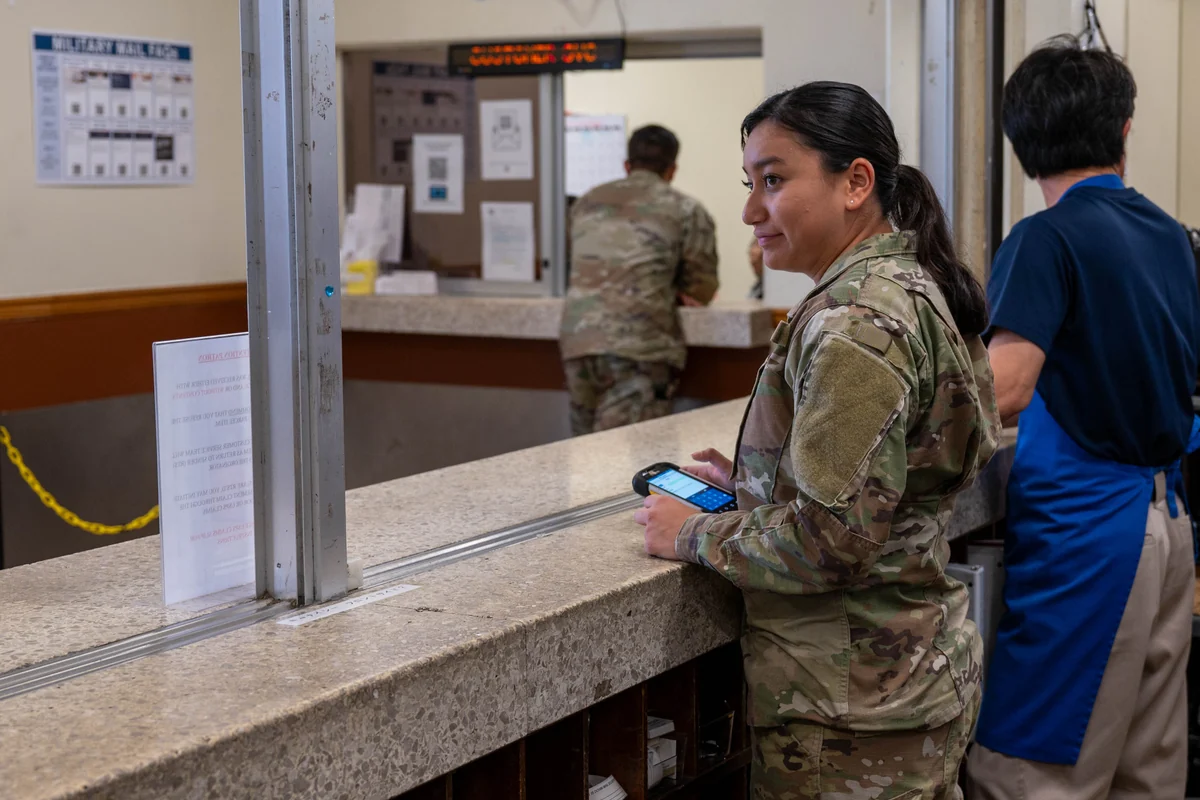
The absolute nightmare scenario occurs when tracking updates to "Delivered" and displays a proof-of-delivery signature, but neither the intended recipient nor their household ever received the box. This typically happens when an incorrect house number led the rider to deliver to an unintended stranger who accepted and signed for the box without checking the name.
If this happens, act immediately using this rigorous recovery protocol:
- Step 1: File an Immediate "Wrongful Delivery Retrieval Request": Call customer care within two hours of the status update. Report that the parcel was delivered to the wrong residence and request an emergency courier retrieval dispatch.
- Step 2: Audit the Digital Proof of Delivery (POD): Request the customer care agent to pull up the electronic POD record from the rider's handheld terminal. The POD record displays the signatory name, relationship, timestamp, and GPS geofence coordinates where the scan was executed.
- Step 3: Dispatch of the Retrieval Rider: Courier protocol mandates that the assigned delivery rider return to the delivery location to recover the unopened parcel from the unauthorized recipient who signed for it. In Philippine civil law, retaining a package addressed to another person constitutes illegal appropriation.
- Step 4: Formal Insurance and Incident Escalation: If the unauthorized recipient refuses to return the parcel or claims it was consumed/lost, file a formal complaint with LBC Customer Legal Support and the local Barangay Lupon having jurisdiction over the misdelivered address.
Under Article 2154 of the Civil Code of the Philippines (Solutio Indebiti), if something is received when there is no right to demand it, and it was unduly delivered through mistake, the obligation to return it arises. Unauthorized recipients who sign for and keep parcels addressed to others can be held legally accountable.
Detailed Audit of the Electronic Proof of Delivery (POD) Trail
Modern courier delivery operations in the Philippines utilize mobile delivery management applications running on ruggedized smartphones or handheld optical scanners carried by delivery riders. When a rider marks a package as delivered, the software creates an immutable digital audit record designed specifically to settle disputes regarding misdelivery.
The electronic Proof of Delivery (POD) record captures four critical data points:
1. Signatory Name and Signature Image: The device captures the handwritten digital signature of the person who accepted the box, alongside their printed name and declared relationship to the consignee (e.g., "Brother", "Housemate", "Building Guard").
2. Spatial GPS Geofence Coordinates: The scanner hardware records the exact latitude and longitude coordinates of the physical device at the instant the delivery barcode was closed. Customer service supervisors can plot these coordinates on GIS mapping software to determine whether the rider was standing at the correct residential gate or three blocks away.
3. Real-Time Server Timestamp: Records the exact hour, minute, and second the transaction was synchronized with the central courier cloud database, eliminating ambiguity over delivery timing.
4. Photo Proof of Delivery (Photo-POD): In modern residential runs, riders snap a photographic record of the parcel held against the front gate, door number, or building reception desk. Reviewing this photo immediately reveals whether the parcel was delivered to the correct house facade.
Legal Remedies Under Philippine Law If an Unauthorized Recipient Retains Goods
When an address error causes a courier to tender an expensive package to the wrong residential gate, human integrity is put to the test. While most Filipino neighbors immediately hand the box back to the courier or notify the sender, occasionally an unscrupulous recipient opens, consumes, or refuses to surrender the misaddressed merchandise.
In such instances, Philippine law provides powerful legal protections for the legitimate property owner:
Under Article 2154 of the Civil Code of the Philippines, the doctrine of solutio indebiti establishes that any person who acquires property through mistake or delivery error holds an absolute legal duty of restitution to return the item in its original condition.
Furthermore, if the unauthorized recipient intentionally breaks the seals, uses the contents, or refuses to return the property after being notified of the error by the courier or legal owner, the act escalates from a civil mistake into criminal misappropriation under Article 315 of the Revised Penal Code (Estafa) or statutory theft.
The sender can initiate a formal Barangay Conciliation proceeding before the Lupon Tagapamayapa in the barangay where the unauthorized recipient resides. In over 90% of cases, the formal involvement of the Barangay Captain and courier corporate security resolves the dispute, resulting in immediate return of the merchandise or monetary restitution.
Switching to Branch Pick-Up: The Guaranteed Safety Valve
When dealing with an address that has already suffered repeated delivery failures, confusing street names, or disputes between buyers and riders, trying to correct a doorstep address can feel like a game of roulette.
The definitive, zero-risk solution is converting the shipment to Hold for Branch Pick-Up (Cash on Pick-Up / COP).
Instruct customer service to route the package to the official LBC branch closest to the recipient's office, home, or daily commute route. This provides numerous operational advantages:
- Guaranteed Delivery Completion: Eliminates locked subdivision gates, unresponsive mobile phones, and interior alley navigation issues.
- Strict Photo ID Verification at Counter: The parcel is held in a secure branch vault. Counter tellers will only release the box if the claimant presents a matching government-issued photo ID, completely eliminating unauthorized neighbor claims.
- Extended Retention Timeline: While doorstep delivery attempts are limited to two or three runs, retail branches securely hold packages for up to 30 calendar days, giving recipients total schedule flexibility.
Sender vs Recipient Responsibilities in an Address Emergency
Resolving an address emergency requires close, coordinated teamwork between the sender and the recipient. Understanding who does what prevents duplicated efforts and delays:
- Sender Responsibilities: As the contracting party, the sender must officially contact LBC customer care or visit the drop-off branch to file the administrative hold, provide proof of identity, approve rerouting, and settle any applicable freight surcharges.
- Recipient Responsibilities: The recipient must provide the sender with an accurate, verified address formatted with complete barangay codes and landmarks, monitor their phone for courier calls, and visit the branch promptly if converted to Branch Pick-Up.
- Online Sellers and E-Commerce Merchants: Keep the buyer updated with screenshot proofs of the customer service ticket number and updated tracking logs. Reassuring buyers that the situation is actively managed maintains commercial trust and prevents premature chargebacks.
Preventing Return to Sender (RTS) Disasters
The ultimate hazard of an unresolved address error is an automatic Return to Sender (RTS) classification. If a courier logs multiple failed attempts and receives no guidance from either customer within five days, the delivery team seals an RTS manifest.
Once a parcel enters reverse line-haul transit, it cannot be diverted back to the recipient. It must complete its return journey back to the origin branch, where the sender is assessed return freight charges before the box is released.
To prevent unwanted RTS triggers, always demand that the customer service representative enter an extended 7-day administrative hold on the waybill while destination details are being resolved.
Permanent Prevention Checklist for Future Shipments
To ensure address errors never disrupt your shipping operations again, integrate these mandatory verification habits into your drop-off routine:
- Always Request Address Confirmation in Writing: Never accept shipping addresses over verbal phone calls or casual voice messages. Have customers text or type the complete address into an electronic messaging thread so you can copy it verbatim.
- Cross-Check Official Barangay Names on Google Maps: Verify that the barangay name exists in the declared city before writing it onto the waybill form.
- Inspect the Printed Thermal Slip Before Leaving the Counter: When the branch teller hands you the printed thermal waybill receipt, spend 30 seconds reviewing the printed recipient name, house number, street, barangay, and contact phone number. Correcting a clerical typo at the counter takes 30 seconds; fixing it in transit takes 48 hours.